In brief
As air pollution reaches alarming levels in Chiang Mai, parents are expressing deep concerns for their children's health. Families report frequent nosebleeds and other health problems linked to deteriorating air quality, prompting some to consider relocating. The region is grappling with smoke from fires exacerbated by the peak fire season, leading to the city's ranking among the most polluted globally.
The worsening air quality in Chiang Mai has prompted a growing concern among residents about the health of their children, particularly as they report cases of frequent nosebleeds and respiratory issues. Residents like Tirayut Wongsantisuk, who moved to the area for its natural beauty, are now considering relocating for the health of their kids, fearing long-lasting impacts from the hazardous pollution.
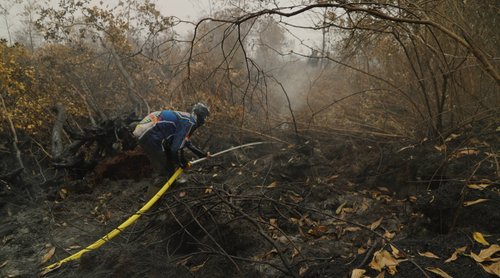
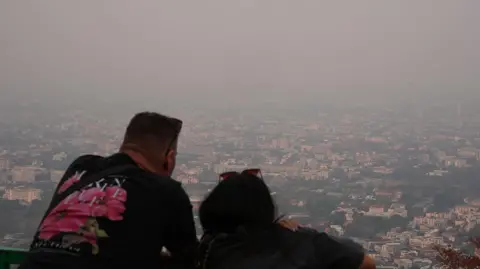
Smoke from raging fires has choked parts of northern Thailand, leaving Chiang Mai among the world's most polluted cities, as monitored by IQAir. Families are facing a thick haze and a burning smell that not only obscures their once scenic mountain views but also raises alarm about potential health risks.
Data shows that 4,750 hotspots were detected across Thailand, with Chiang Mai's air quality classified as 'very unhealthy,' due to high levels of PM2.5 particulates. The peak fire season, from November to March, significantly contributes to this dire situation as agricultural burning and natural wildfires release toxic fumes into the air.
Residents are feeling the pressure, with parents like Benjamas Jaiparkan sending her children temporarily to the nearby Phayao province due to better air quality. I feel so sorry for him because I don't know how much more his lungs can take, she expressed, reflecting the anxiety shared by many parents.
Moreover, activists and communities have taken legal steps, demanding government action against pollution amid growing health concerns. Authorities have even ordered closures of high-risk areas and threatened severe penalties for illegal burning.
This ongoing crisis has highlighted the urgent need for effective measures to combat air pollution and protect the health of Chiang Mai's youngest residents, as families grapple with a worsening scenario yearly.