In brief
The U.S. Environmental Protection Agency's Inspector General has uncovered that about 100 contaminated Superfund sites are located in areas vulnerable to natural disasters like flooding and wildfires. This alarming finding indicates a significant public health risk to millions living nearby, as extreme weather exacerbates challenges in cleanup efforts. The reports highlight the necessity for adequate planning and mitigation to avoid contaminant leaks during such events.
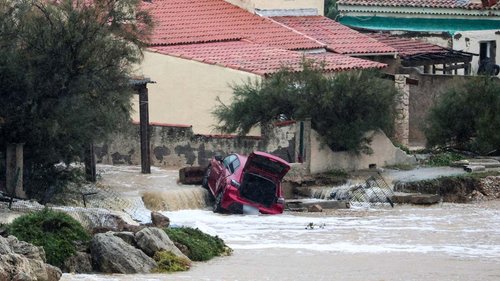
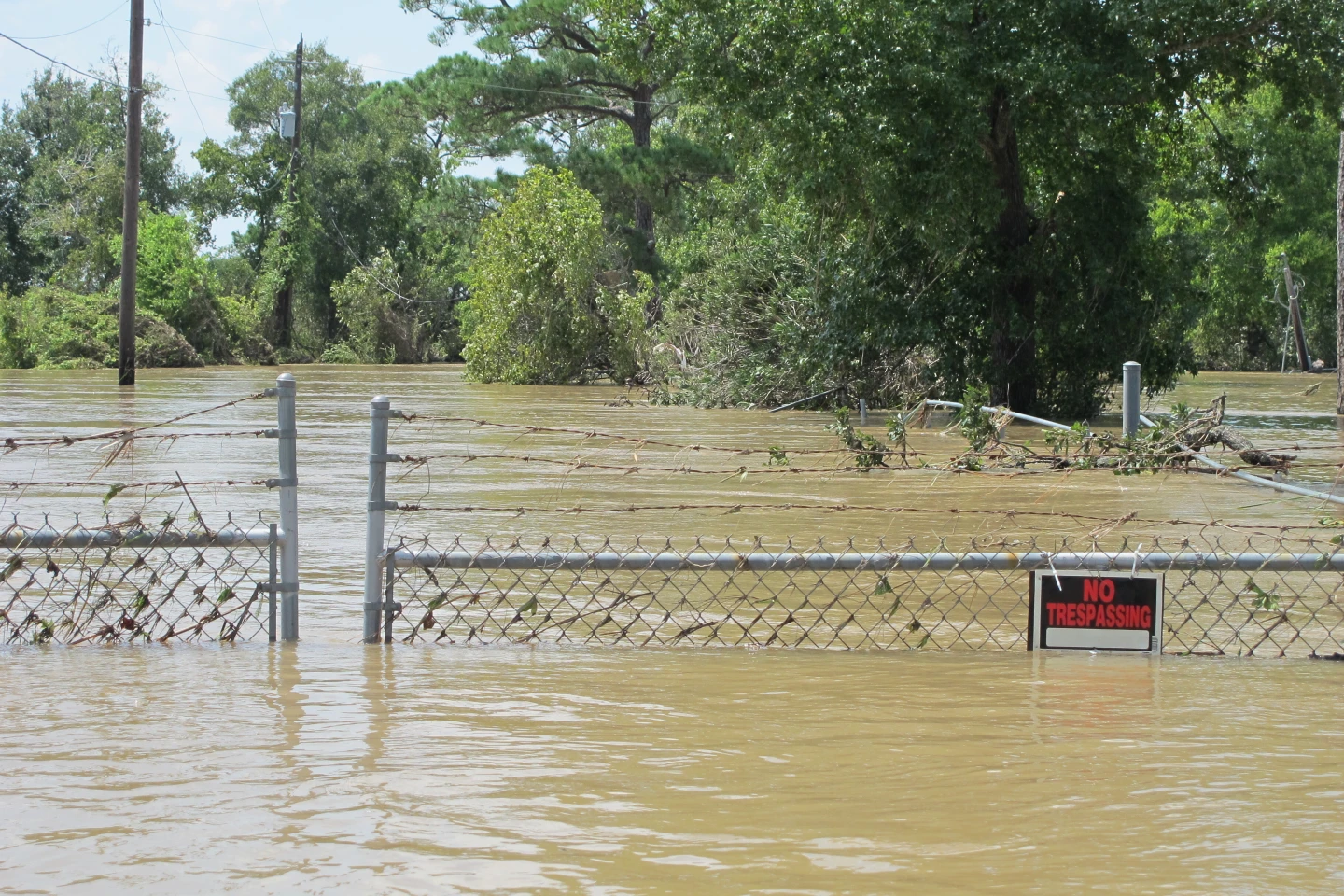
WASHINGTON (AP) — About 100 of the nation’s most contaminated toxic waste sites are in areas prone to flooding and wildfires, a potential public health threat to millions of Americans in surrounding communities, the internal watchdog at the U.S. Environmental Protection Agency has found.The EPA’s Office of Inspector General issued two new reports last week that are part of a series assessing the weather-related vulnerabilities of the 157 federal Superfund sites prioritized for cleanup due to the serious risk they pose to public health and the environment. About 3 million Americans live within a mile of a Superfund site, while 13 million people reside within 3 miles (4.8 kilometers).Some of the Superfund sites are at risk from multiple natural disaster threats; 49 are in coastal areas vulnerable to sea-level rise or storm surge from hurricanes, while 31 sites are located in regions at high risk for wildfires.Despite these risks, reviews found that cleanup plans often overlooked threats from flooding and wildfires, which could result in contaminants leaking into surrounding communities and wasting taxpayer dollars already invested in remediation efforts. Community awareness and proactive planning are crucial to mitigate these potential hazards.Kim Wheeler, a spokesperson for the Inspector General’s office, emphasized the importance of recognizing these vulnerabilities to ensure effective and forward-looking remediation planning.