In brief
The American West is experiencing an unprecedented snow drought coupled with record high temperatures, significantly affecting water supplies and increasing the risk of wildfires. As of this winter, snow cover has shrunk to an alarming extent, raising concerns among scientists regarding a potential early wildfire season and the long-term impacts on agriculture and water resources.
A record snow drought with unprecedented heat is hitting most of the American West, depleting future water supplies, making regions more vulnerable to wildfires, and hurting winter tourism and recreation.
Scientists report that current snow cover and depth are at their lowest levels in decades, with 67 weather stations across the West recording their warmest December through early February on record. Normal snow cover should span about 460,000 square miles, but this year it is limited to about 155,000 square miles, roughly the size of California.
Mark Serreze, director of the National Snow and Ice Data Center, remarked, I have not seen a winter like this before. This persistent pattern stands out.
According to NOAA, snowpack in Oregon is not only a record low but also 30% lower than the previous record.
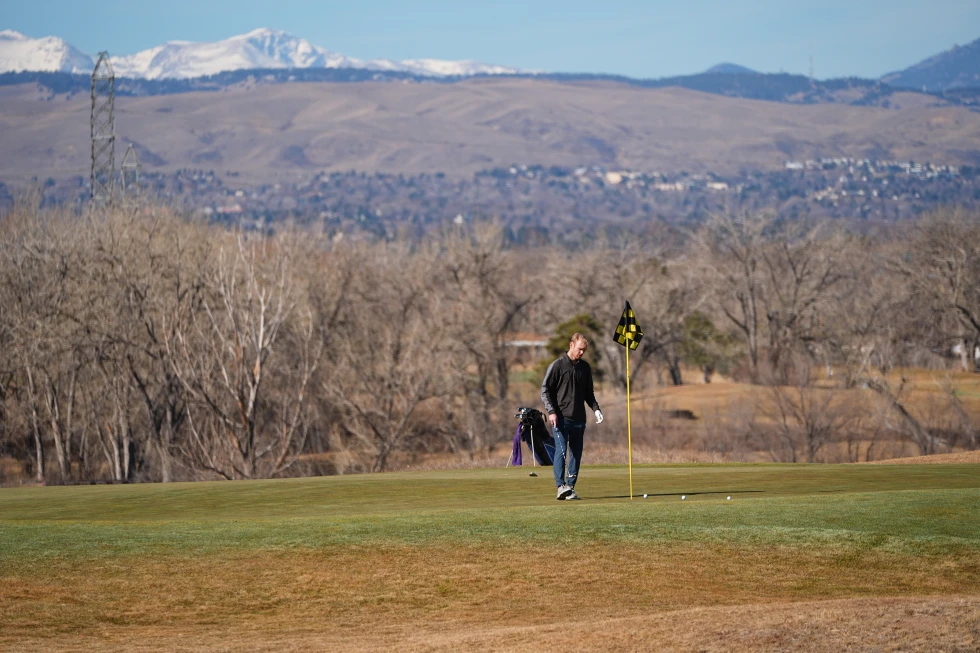
While much of the eastern U.S. is snowbound, West Jordan, Utah, encountered warmer conditions, showing how disparate weather patterns can be as residents express a longing for more typical snowy winters.
Concerns over water supply and wildfires
With ski resorts already struggling this season, the ongoing lack of snow raises broader worries about impacts on water resources and the environment. Oregon, Colorado, and Utah have reported the lowest statewide snowpack since the early 1980s. This January's dryness has resulted in states receiving insufficient precipitation, heavily affected by sunny days and higher temperatures.
As of Monday, Salt Lake City has recorded 327 days without an inch of snow, marking the longest stretch since 1890-91, according to the National Weather Service.
The diminished snowpack jeopardizes water availability for agriculture, cities, and energy systems in the Upper Colorado River Basin, crucial for a steady water flow later in the year.
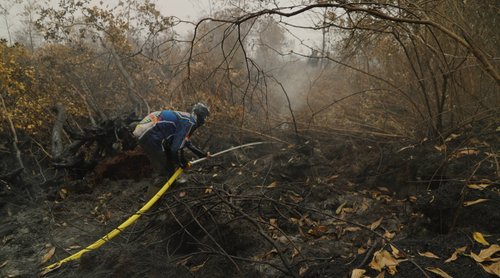
Experts warn this could lead to an early start to wildfire season and increase risks of soil and vegetation drying out quicker.
Too warm to snow
While dry conditions persist, the record-low snowpack primarily results from extreme warmth linked to climate change, caused by fossil fuel consumption. Since December 1, over 8,500 daily high-temperature records have been logged in the West.
Forecasts predict some relief with wetter, cooler weather in the coming week, though expectations remain tempered as temperatures may still be higher than usual. Meteorologist Russ Schumacher stated, We can chip away at those deficits, but we will not likely return to average snow conditions soon.