In brief
According to a recent report by the World Health Organization (WHO), seven million cancer cases could be prevented annually with proactive measures targeting infections, lifestyle choices, and environmental pollutants. The analysis indicates that nearly 40% of cancer cases are related to avoidable factors, emphasizing the need for public health interventions such as vaccinations and lifestyle changes.
Seven million people's cancer could be prevented each year, according to the first global analysis.
A report by World Health Organization (WHO) scientists estimates 37% of cancers are caused by infections, lifestyle choices, and environmental pollutants that could be avoided.
This includes cervical cancers caused by human papilloma virus (HPV) infections which vaccination can help prevent, as well as a host of tumors caused by tobacco smoke from cigarettes.
The researchers said their report showed there is a powerful opportunity to transform the lives of millions of people.
Some cancers are inevitable - either because of damage we unavoidably build up in our DNA as we age or because we inherit genes that put us at greater risk of the disease.
But researcher Dr. Isabelle Soerjomataram noted that people are surprised to hear that nearly four in 10 cancers can be prevented, describing it as a substantial number.
The International Agency for Research on Cancer, part of the WHO, analyzed 30 preventable factors known to increase the risk of cancer.
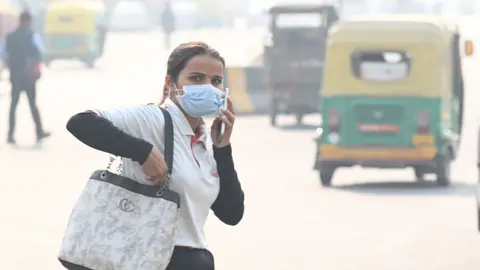
These include smoking and ultraviolet (UV) radiation which can directly damage our DNA; obesity and too little physical activity which alter inflammation and hormones in the body to raise cancer risk; and air pollution which can awaken dormant cancer cells.
The agency's report also examined nine cancer-causing infections including HPV, hepatitis viruses leading to liver cancer, and the stomach bug H. pylori.
The analysis drew data from 2022 cancer cases across 185 countries, demonstrating that smoking, infections, and alcohol consumption are among the leading preventable causes.
The report indicates a significant disparity in the preventability of cancers among genders, with 45% of men's cancers deemed preventable compared to 30% in women.
Addressing these preventable causes is seen as a key opportunity to mitigate the global cancer burden and improve public health outcomes.