In brief
Fire scientists have observed a disturbing trend as wildfires in Eastern states become more intense, frequent, and damaging, exemplified by recent blazes in Georgia that destroyed over 50 homes. Factors such as climate change, extensive drought, and extensive forest density are cited as crucial elements exacerbating this issue. As the dynamics of fire in the East shift, researchers urge for greater attention and proactive measures.
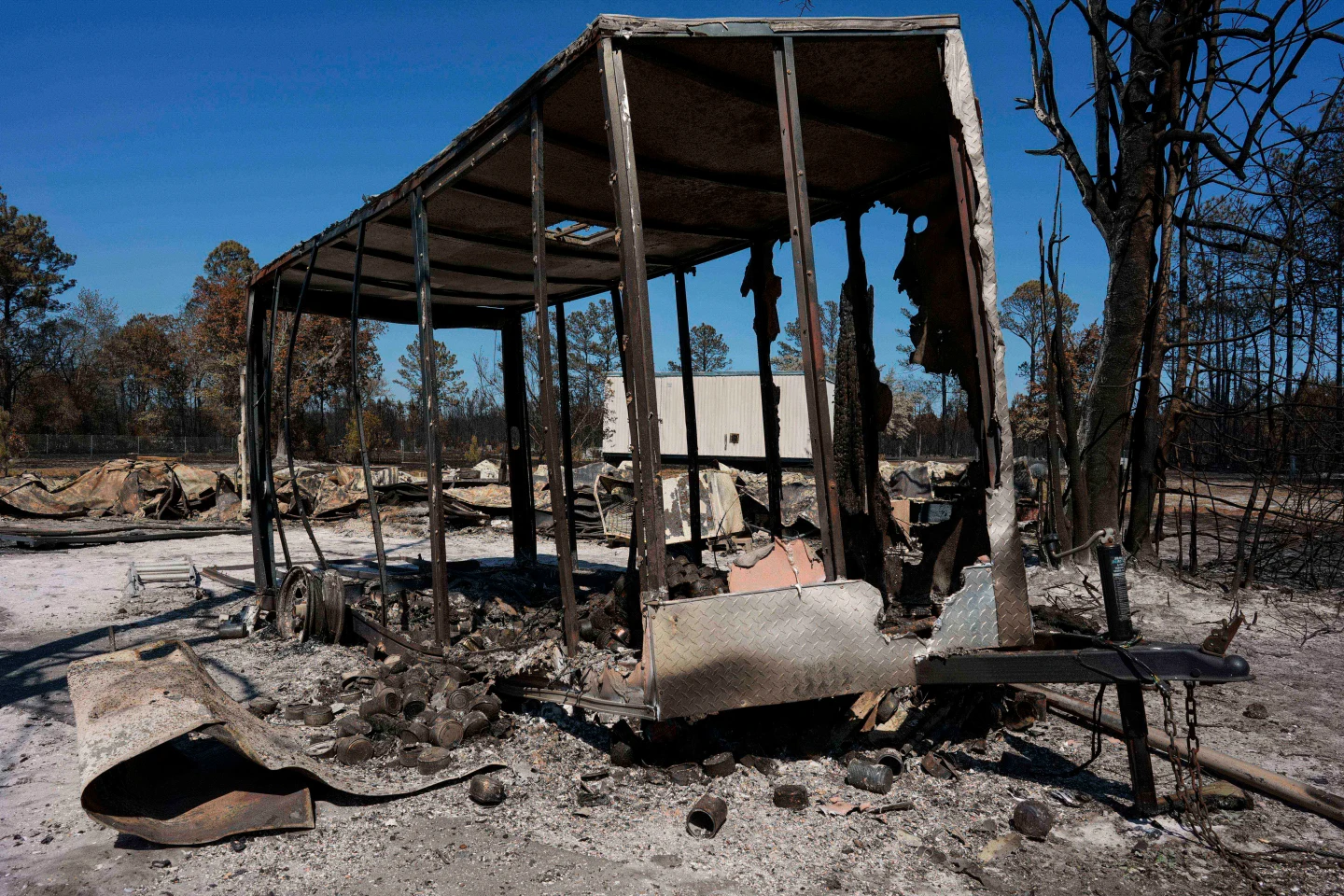
Fire scientists are increasingly alarmed by the rising frequency and severity of wildfires in the Eastern United States, a region traditionally less affected than its Western counterpart. This week, over 50 homes were devastated by fire in Georgia, highlighting the urgent need for action.
Factors identified as contributing to this growing threat include climate change, which is making the fuel for fires drier and more flammable, coupled with a record drought affecting large parts of the region. Wildfires have now consumed approximately 2,802 square miles (7,258 square kilometers) this year alone — an 88% increase compared to the average over the last decade.
Fire scientist Mike Flannigan from Thompson Rivers University stated, As temperatures rise, so too does the potential for fires. We are witnessing longer fire seasons and more intense fires therefore, it is likely we will see more in the East. A recent study indicated that the number of large fires in the Southeastern U.S. has been increasing significantly since 1984.
University of Florida fire ecologists Victoria Donovan and Carissa Wonkka emphasized the importance of addressing these changes early, even if the scale of fires in the East is smaller compared to the West. Their analysis suggests that 45% of large wildfires in the East encroach upon populated areas, making them particularly dangerous.
The wreckage from Hurricane Helene in 2024 has also created conditions ripe for wildfires, with extensive forest damage providing an excess of fuel. Over 26 million tons of pine and 30 million tons of hardwood were downed in Georgia alone, contributing to what some experts are calling a ticking time bomb.
Furthermore, dry air conditions are exacerbating the situation, with less humidity compounding the risk factors associated with wildfires. Flannigan noted, The drier the fuel, the easier it is for fires to start and spread, making them harder to control. As climate change continues its course, bringing warmer and drier conditions to the East, the likelihood of devastating wildfires seems set to rise.