In brief
Research published in Science Advances reveals that chronic exposure to wildfire smoke is linked to an average of 24,100 deaths annually across the contiguous United States. Researchers emphasize the danger of PM2.5 particles that can exacerbate respiratory and cardiovascular diseases, noting that the increasing frequency and intensity of wildfires due to climate change compounds these health risks. The study calls for urgent regulatory action and mitigation strategies to address this environmental hazard.
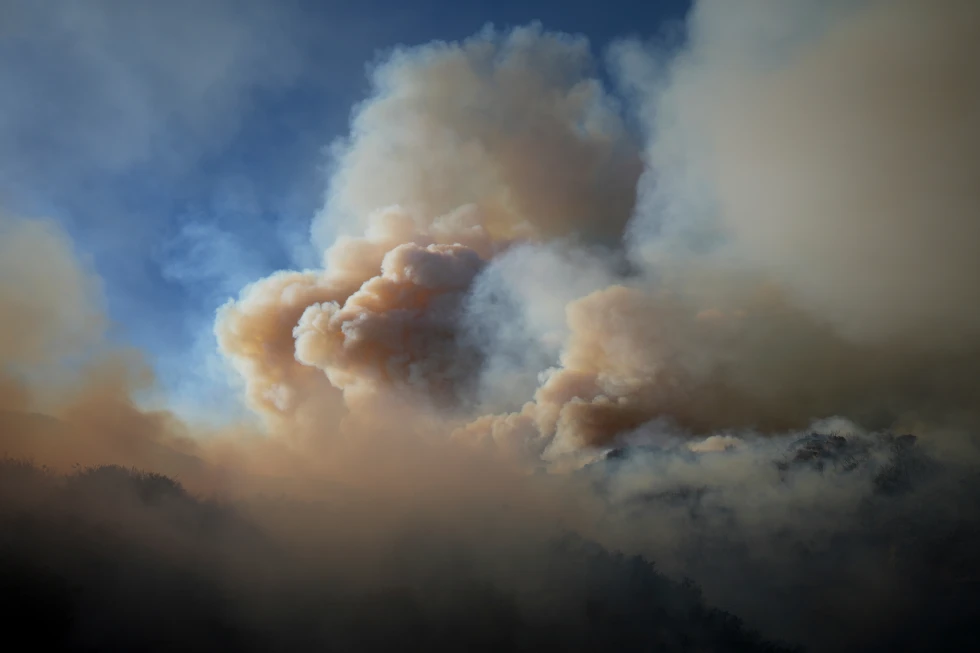
Chronic exposure to pollution from wildfires has been linked to tens of thousands of deaths annually in the United States, according to a new study.
The paper, published Wednesday in the journal Science Advances, found that from 2006 to 2020, long-term exposure to tiny particulates from wildfire smoke contributed to an average of 24,100 deaths a year in the lower 48 states.
“Wildfire smoke is very dangerous. It is an increasing threat to human health,” stated Yaguang Wei, a study author and assistant professor at the Icahn School of Medicine at Mount Sinai.
The findings were not surprising to other experts in the field. Michael Jerrett from UCLA commented, “The estimates are reasonable; we need more studies to confirm these outcomes.”
‘These are real lives’ impacted by wildfire smoke
The researchers focused on deaths linked to chronic exposure to fine particulate matter, or PM2.5 — particles primarily emitted by wildfires.
These particles can penetrate deep into the lungs and enter the bloodstream, leading to severe health issues like respiratory illness, cardiovascular disease, and neurological disorders.
According to study author Min Zhang, “PM2.5 from wildfire smoke has emerged as a significant environmental hazard in the U.S., driven by climate change.”
Jerrett noted that while direct fire-related deaths are obvious, many fatalities from PM2.5 exposure involve vulnerable populations. He emphasized that “these are real lives that are lost.”
Researchers analyzed data on PM2.5 from wildfire smoke and its correlation with deaths across 3,068 U.S. counties, including specific diseases such as circulatory, respiratory, and neurological conditions. They found a clear link between PM2.5 exposure and increased death rates, particularly in rural areas during cooler periods.
The study emphasized the pressing need for effective regulation to control wildfire-sourced PM2.5, which remains unregulated by the EPA as it is often classified as part of natural disasters. Experts stress that with wildfires becoming more frequent and intense, proactive measures are critical to protect public health.