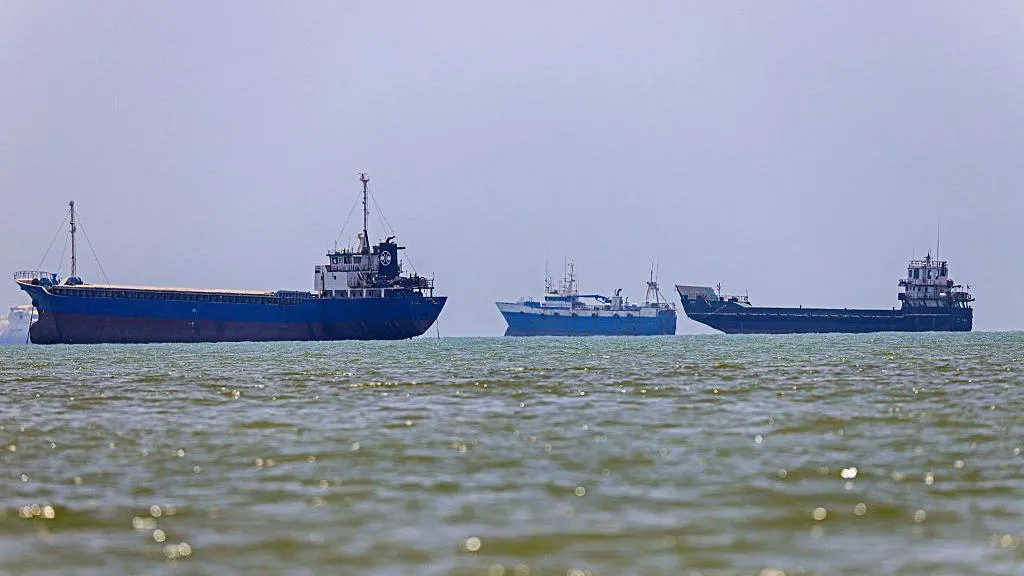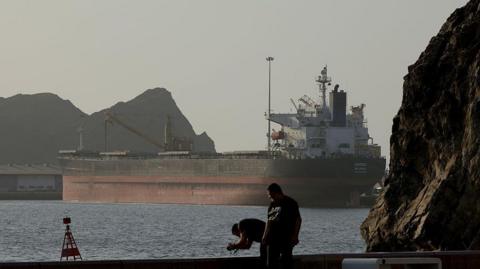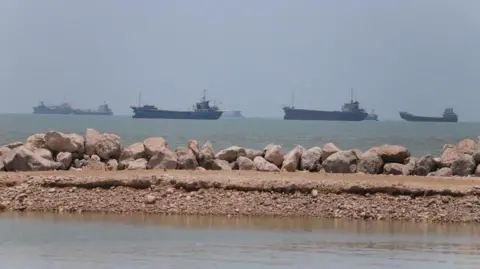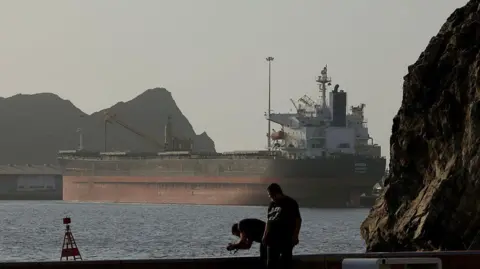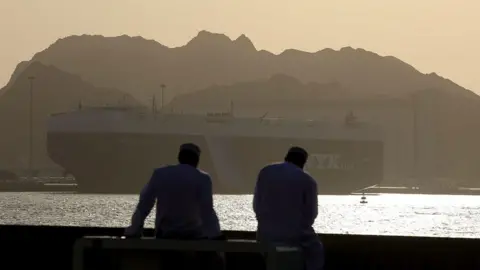
The effective closure of the Strait of Hormuz after the US and Israel began their war with Iran in late February has sent shockwaves across the globe.
Oil prices have soared and stock markets have wobbled as the world waits to see when Iran will allow the key waterway - through which about 20% of all oil passes - to reopen.
At the moment, only a handful of ships make it through the strait each day, and attacks on energy infrastructure in the region have only served to push prices higher. Nowhere has been more affected than Asia, where nearly 90% of the oil and gas passing through the strait is destined.
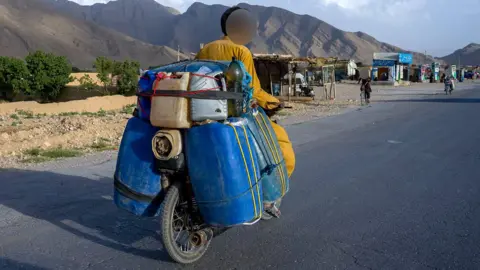
As the crisis develops, governments across Asia have ordered employees to work from home, declared national holidays, and cut working hours to conserve supplies. In countries like China, where reserves are believed to last three months, authorities have limited fuel price hikes to ease the burden on citizens.
This war, although thousands of miles away, is having a profound impact on daily lives across Asia. In the Philippines, the government declared a national emergency, warning of imminent danger to the country's energy supply. Jeepney drivers have already reported significant reductions in income, with some struggling to make a living.
Similarly, in Thailand, government directives have gone as far as urging citizens to keep air conditioning at high temperatures and work from home to conserve energy. In contrast, Sri Lanka faces a paradox: after just resolving a financial crisis, the country now has money but lacks fuel resources.
The ongoing crisis resonates across Myanmar, where civil war has led to an alternate-day policy for fuel usage, complicating transportation and social life. India is facing a severe shortage of liquefied petroleum gas (LPG), essential for cooking, with many restaurants closing due to fuel unavailability.
As the situation develops, Asian countries continue to grapple with the fallout of the conflict, showcasing the interconnectedness of global crises and their far-reaching consequences on everyday life.