In brief
Iroro Tanshi has won the Goldman Environmental Prize for her campaign to protect the endangered short-tailed roundleaf bat in Nigeria. Facing local misconceptions about bats and the threat of wildfires, Tanshi mobilized her community to prevent wildfires and change perceptions about these vital creatures, emphasizing their ecological importance. The award marks a significant recognition of her efforts, as all winners this year are female.
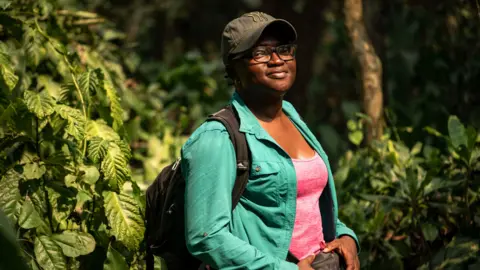
A Nigerian scientist's personal experience with a wildfire, and the threat it posed to endangered bats she discovered just days before, has earned her the global Goldman Environmental Prize.
Iroro Tanshi, who found the short-tailed roundleaf bat in the Afi Mountain Wildlife Sanctuary in south-eastern Nigeria, expressed that it should have been big headliner news but was overshadowed by a serious wildfire situation.
In Nigeria, where bats are frequently associated with witchcraft, Tanshi initiated a community-led campaign aimed at protecting these creatures by preventing wildfires that threaten their habitats.
Tanshi noted that changing local attitudes towards bats was pivotal: How do we convince people to protect the habitat? In their case, the wildfire issue was presented as a broader community concern.
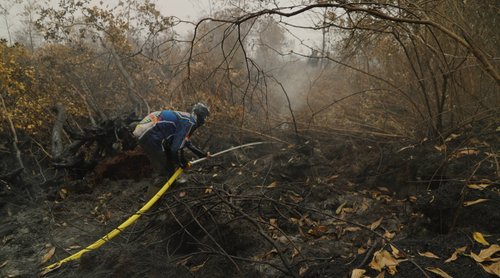
The ecologist, now a postdoctoral researcher at the University of Washington, identified human-induced wildfires as a key threat to the bats. She shared her experience during a recent BBC Focus on Africa podcast, discussing a destructive fire she believed was ignited by land-clearing practices.
This fire burned for three weeks, prompting local residents to collaborate with Tanshi to address the wildfire threat while also protecting bat habitats, thus preventing serious wildfires in the area since 2022.
Tanshi's efforts not only educated the community about the risks of wildfires but also highlighted the critical ecological role bats play – from seed dispersal to pollination. She emphasized the importance of these creatures in local ecosystems, noting that products like shea butter depend on bats for seed distribution.
Winning the Goldman Environmental Prize, which recognized all female winners for the first time in its 37-year history, was described by Tanshi as an incredible honour, and a signal of the global relevance of her work.