Iran War Sparks Fuel Crisis, Upending Daily Life Across Asia
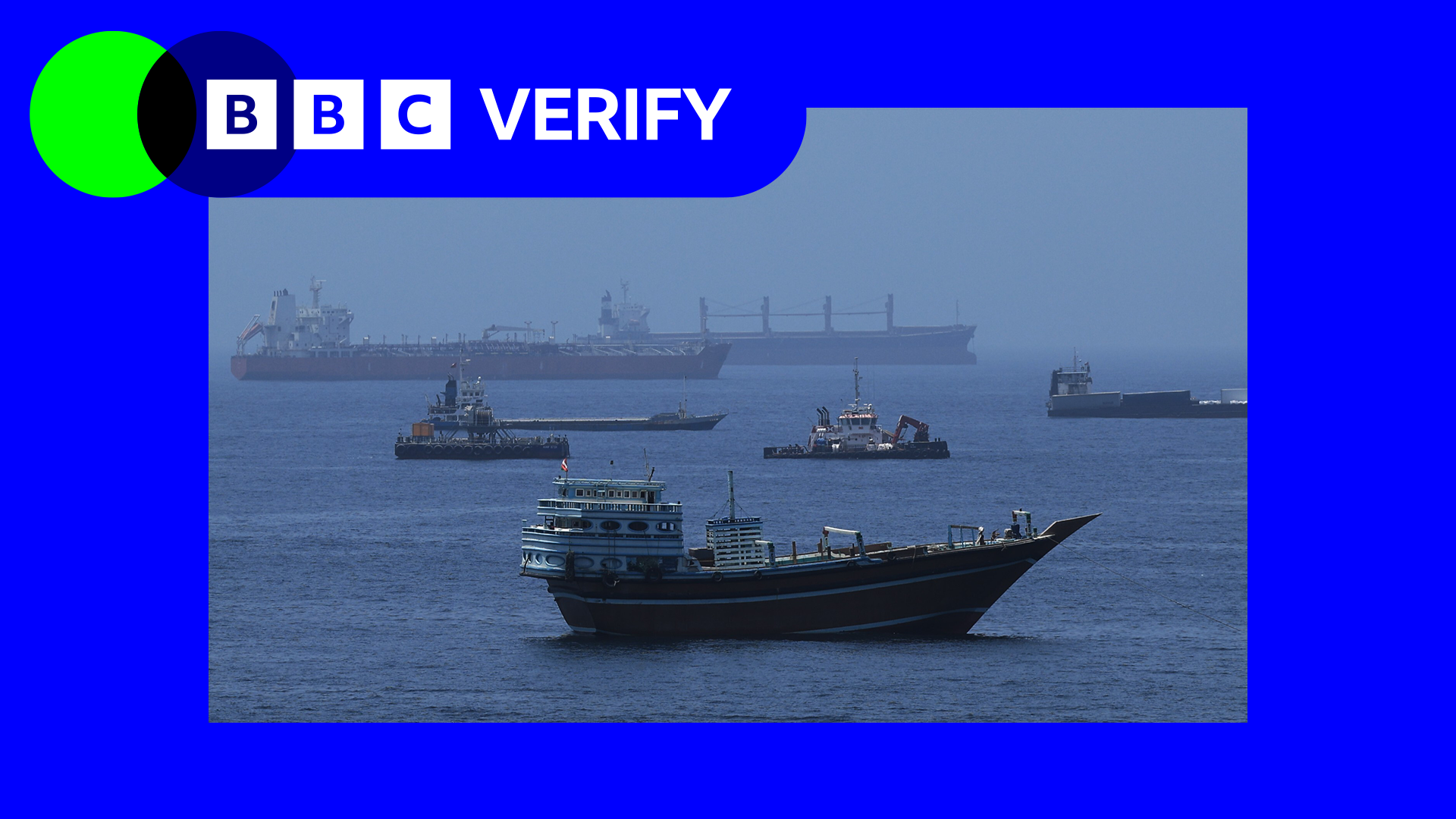
The effective closure of the Strait of Hormuz following the U.S. and Israel's initiation of conflict with Iran has caused shockwaves globally. The essential waterway, through which approximately 20% of the world's oil passes, is affecting oil prices and stock markets as the situation escalates.
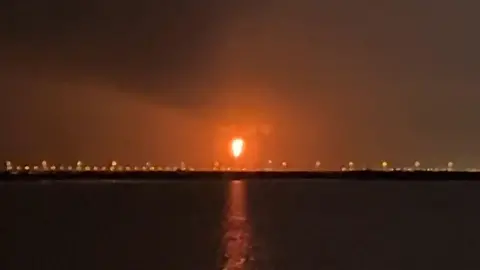
Currently, only a limited number of ships navigate through the strait daily, with ongoing attacks on regional energy infrastructure exacerbating the crisis. Asia, which is the primary destination for nearly 90% of the oil and gas routed through the strait, is experiencing substantial pressure, as governments in the region take drastic measures to mitigate the impact.
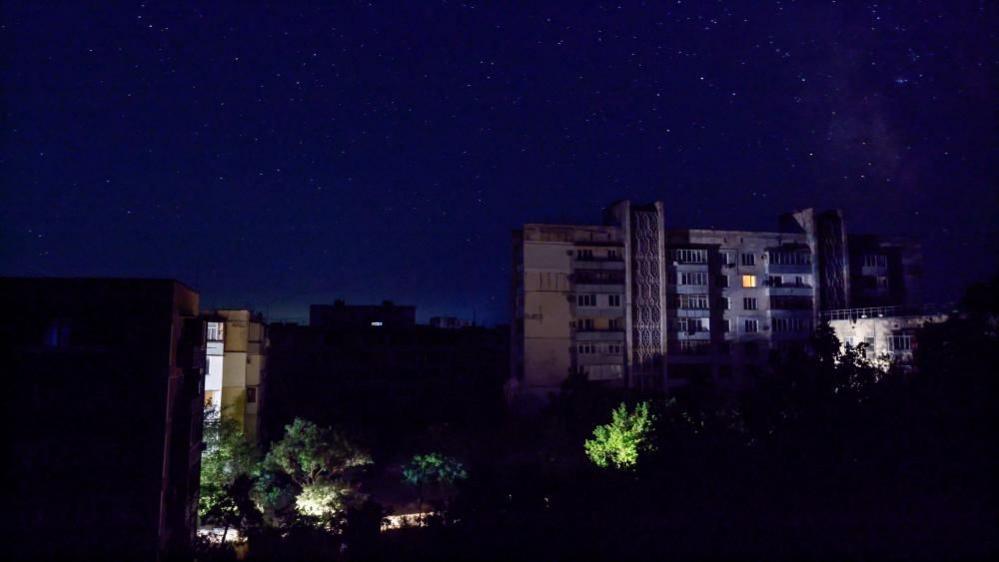
Across Asia, national emergencies have been declared, working weeks have been reduced, educators instructed to close schools, and citizens urged to conserve energy in response to soaring prices and supply instability. Even China, which allegedly has a sizeable reserve, is limiting fuel price hikes to protect consumers facing a newly inflated market.
In the Philippines, the government declared an energy stability emergency. Logistic workers like jeepney drivers are already reporting drastic drops in their earnings as fuel prices rise steeply. Carlos Bragal Jr, a driver, noted his shift's daily wage fell significantly, prompting concerns about supporting his family.
Thailand's response includes directives for temperature-adjusted air conditioning and encouraging energy conservation measures in public offices. Meanwhile, Sri Lanka, which recently emerged from a financial crisis, is grappling with its own energy supply constraints, prompting belt-tightening measures like fuel rationing.
The conflict has left many in India vulnerable, with approximately 60% of its liquefied petroleum gas imports passing through the Strait of Hormuz. Factories have seen reduced production capabilities, resulting in shortages of essential goods and mounting queues for fuel.
As Asia adapts to these developments caused by a conflict thousands of miles away, the daily lives of millions are being reshaped amid uncertainty and anxiety about what the future holds.