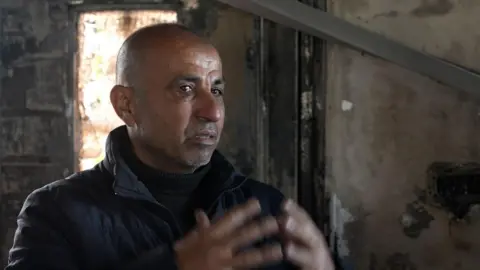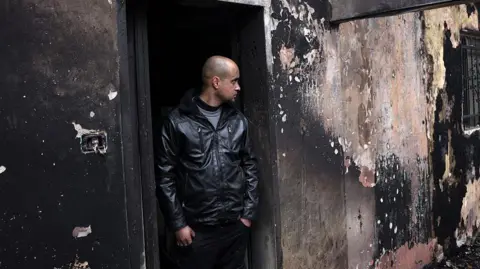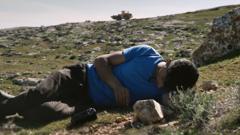
In the heart of the West Bank, a profound narrative unfolds as Basel Adra, an Oscar-nominated feature director, showcases the enduring struggle of his community through the documentary "No Other Land." This powerful film has garnered international acclaim, including nominations for both an Oscar and a BAFTA, highlighting the intricate relationship between a Palestinian and an Israeli journalist, Adra and Yuval Abraham.
The film intricately weaves personal narratives with the harsh realities faced by the Masafer Yatta community, where Israeli forces have demolished homes, schools, and critical infrastructure following a court ruling deeming the area illegal. For over five years, Adra and Abraham have documented their experiences, which reflect the broader context of conflict and friendship amidst adversity. "It’s scary… I know that films can change individuals, and I know that they can be part of a bigger change," Abraham explained, acknowledging the film's potential impact.
The documentary portrays incidents of violence, including the tragic cases of community members being injured or killed during confrontations with the Israeli army, raising urgent questions about justice and accountability. Palestinian eyewitnesses have alleged that the Israeli Defense Forces (IDF) failed to conduct thorough investigations into these incidents, leaving families without closure.
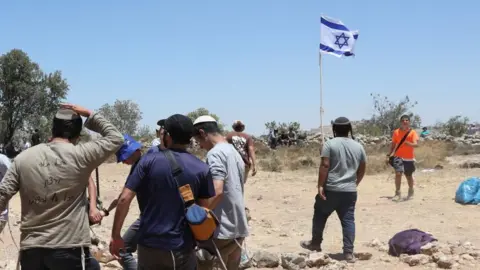
Since Hamas's October 2023 attack on Israel, violence and tensions have escalated in the West Bank. The impact of settler violence has surged, with the United Nations reporting numerous fatalities and acts of aggression against Palestinian villagers. Amidst this turmoil, Adra has voiced concerns about the dangerous dynamics and unpredictability of life under occupation, often subject to unfair and violent actions from armed settlers.
As the film captures the emotional toll of displacement and trauma, it also offers glimpses of hope, showcasing moments of compassion and resilience nestled within the chaos. "We have no other land," a villager laments in one of the poignant scenes that starkly challenges the viewer's perception of the region.
The film not only serves as a platform for the voices of those directly affected but also lays bare the complexities of friendship and identity across cultural divides. Abraham grapples with his position as an Israeli, feeling a sense of responsibility for the plight of his Palestinian friend, even facing backlash for his advocacy during award speeches.
Despite the challenges, both filmmakers stress the importance of focusing on creating a just and peaceful future for all, underscoring the need for effective international action and dialogue. They believe that lasting change, though gradual, can be achieved through collective efforts and persistent activism.
As the international community watches, the filmmakers remain resolute, drawing strength from the solidarity of their communities and the temporary victories they can attain through storytelling and shared experiences. "Keep dropping the water and it will make change," Adra asserts, a mantra echoing the hope for a better tomorrow amidst relentless struggle.