In brief
In light of a recent attack on a Detroit-area synagogue, American Jewish communities are grappling with both external threats and internal divisions regarding Israel's actions. Religious leaders emphasize that violence against Jews cannot be justified by foreign policies, challenging narratives that conflate Jewish identity with Israeli state policies. The emotional turmoil felt by many highlights the urgency of ensuring safety for Jews in the U.S. while navigating complex issues related to their homeland.
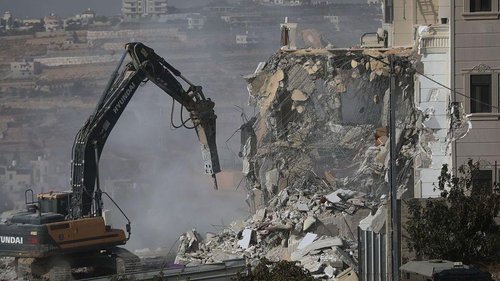
For many U.S. Jews, following current events can be emotionally tumultuous. There is a shared anger towards the surge in antisemitic attacks, coupled with deep divisions over whether to support or oppose various Israeli policies in the conflict-wracked Middle East.
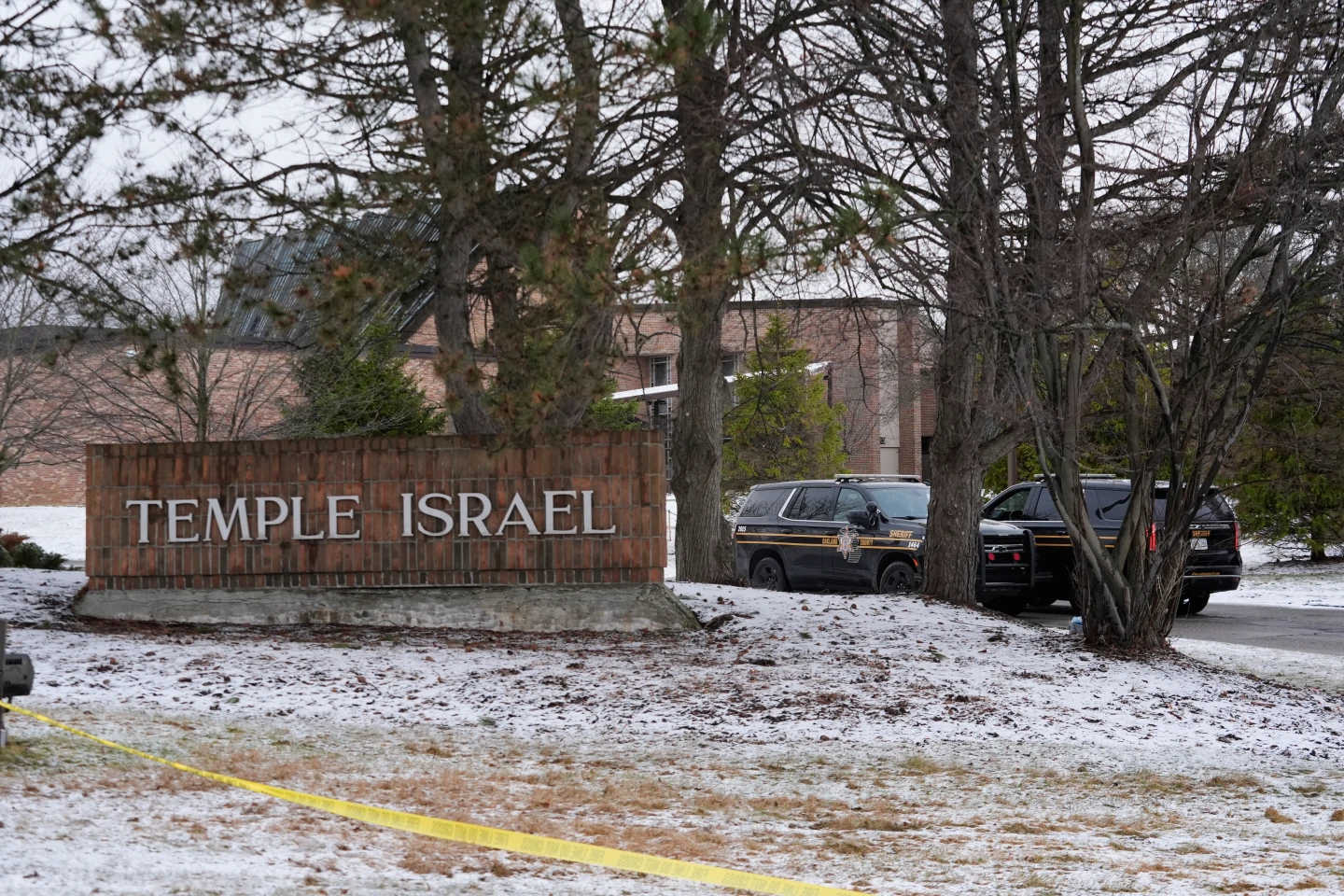
Recently, there was widespread condemnation for an attack where a man rammed his truck into a synagogue in the Detroit area during a preschool gathering, resulting in chaos and tragedy. The perpetrator, who had lost family in an Israeli airstrike, ended his own life after exchanging gunfire with a security guard.
Rabbi Rick Jacobs, President of the Union for Reform Judaism, condemned this act as an unacceptable expression of antisemitism, asserting that American Jews cannot be held accountable for actions taken by a foreign government. Other commentators, including Peter Beinart, express similar sentiments, arguing that violence against Jews is morally impermissible, regardless of criticisms of Israeli policies.
Beinart also suggested that synagogues displaying pro-Israel sentiments might be endangering their congregants, while others argue that expressing support for Israel is part of Jewish identity. The discussions reflect a complex interplay of identity, morality, and security in a time of rising threats.
Responses from various community leaders highlight the urgent need for nuanced conversations regarding their homeland and global perceptions of Jews amidst rising violence. The convergence of anti-Zionism with antisemitism is a growing concern, challenging unity and safety within Jewish communities as they navigate their roles amid international conflicts.