In brief
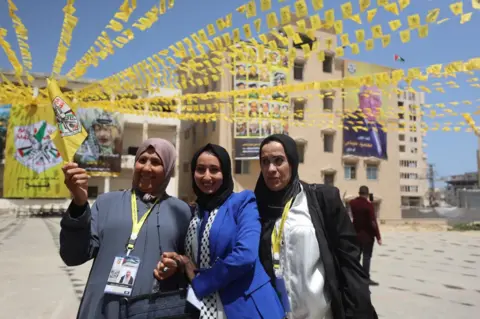
Top leaders of the Fatah party have convened for their first significant meeting in ten years, promising political rejuvenation amid widespread dissatisfaction with President Mahmoud Abbas. As calls for elections grow louder and discontent over governance and corruption rises, Abbas's re-election continues to fuel debate. The conference, attended by over 2,500 members from across the region, reflects a crucial moment for Fatah's role in Palestinian politics amid pressing internal and external challenges.
Top leaders of the main Palestinian political faction, Fatah, are electing its highest decision-making body, at its first major conference in a decade.
Palestinian President Mahmoud Abbas – who rules by decree – was re-elected as head of Fatah on Wednesday.
Fatah leaders have promised unity and a political refresh. However, ordinary Palestinians express frustration that this significant meeting comes at a critical time for their nationalist cause, showcasing the opposite sentiment.
Recent opinion polls in Palestine indicate profound dissatisfaction with Abbas, with a majority desiring his resignation. This discontent is compounded by concerns regarding the potential appointment of his eldest son to a senior party position.
During the opening day of the conference, Abbas committed to organizing the first presidential and parliamentary elections in 20 years, although he did not set a timeline. He emphasized a commitment to reform measures and stated, Holding the gathering on our homeland's soil confirms our determination to continue on the democratic path.
The Palestinian Authority is under increasing pressure from the international community, including the US and EU, to implement reforms and hold elections in light of ongoing claims of corruption and political stagnation.
Since the last major conference in 2016, the Palestinian reality has dramatically shifted. This year alone, the Hamas-led assault on Israel sparked a brutal Gaza war, contributing to a humanitarian crisis described by Abbas as unprecedented.
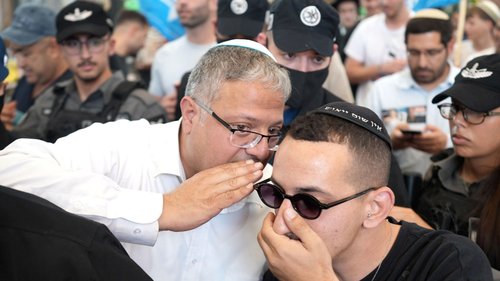
In this charged atmosphere, a key Israeli minister has asserted intentions to "bury the idea of a Palestinian state," further complicating the already strained dynamics in Israeli-occupied territories.
Moreover, the PA's legitimacy is faltering, worsened by Israel’s withholding of tax revenues due to ongoing disputes over Palestinian education reforms and financial stipends, leading to severe economic repercussions for the PA.
With over 2,500 Fatah members in attendance, they are set to elect 18 representatives to the central committee and 80 to the revolutionary council. As discussions of political succession loom, internal divisions are becoming more apparent amidst speculation about who might take the helm post-Abbas.
Fatah activist Samah al-Rawagh, joining the conference remotely from Gaza, insisted on Fatah’s unity across all territories, presenting the party as resilient in challenging times. However, many view the event as a façade, emphasizing that the leadership's interests are not aligned with those of the Palestinian populace.
The sentiments resonating from the conference reveal a palpable disconnect between Fatah’s leadership and the general Palestinian sentiment, raising concerns about whether effective reforms will be implemented.