In brief
Ahead of the parliamentary elections on April 12, accusations have surfaced against Viktor Orban's Fidesz government, claiming mass voter intimidation through bribery and coercion. A new documentary titled 'The Price of the Vote' reveals disturbing accounts from voters and officials in various constituencies, suggesting an orchestrated campaign ahead of the elections, where Fidesz is reportedly trailing behind its opposition party Tisza.
Viktor Orban's Fidesz government in Hungary stands accused of mass voter intimidation in a film released on Thursday ahead of 12 April parliamentary elections, in which the ruling party is trailing in the opinion polls.
The documentary film, titled The Price of the Vote, presents the findings of a six-month investigation. It features testimonies from voters, mayors, former election officials, and even a police officer who allege that substantial sums of money and even illegal drugs are being used to pressure individuals into voting for Fidesz.
According to the film, up to 600,000 voters in 53 of Hungary's 106 constituencies may be affected, which could constitute around 10% of the expected turnout of six million voters.
Despite 16 years of Fidesz rule under Orban, recent polls show the party trailing behind Peter Magyar's center-right opposition party Tisza by a significant margin. The allegations come as the campaign is further complicated by claims of external interference and manipulation.
The film illustrates how local mayors maintain control within rural communities. They are depicted as providing essential services such as work, firewood, transportation to polling stations, and in one instance, access to medicine, contingent upon voting the 'correct' way.
The investigation also points out the dire conditions within rural Hungary, where poverty significantly affects the Roma minority population, making them vulnerable to manipulation during elections.
In response to the allegations, Minister for Public Administration and Regional Development Tibor Navracsics stated, If there is any wrongdoing let the ministry of interior do its job, while refraining from commenting specifically on the documentary's content.
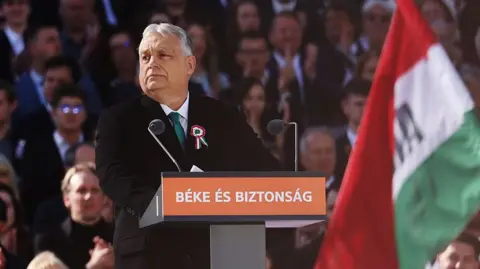
Orban himself previously urged local officials during a gathering to secure victory in the upcoming elections, underlining the importance of grassroots mobilization for Fidesz's success.
Ahead of the elections, tensions are mounting, with the Fidesz party alleging foreign plots against them while opposition figures raise concerns over the government's relationship with Russia. Meanwhile, rival polls suggest that voter sentiments could significantly favor the opposition Tisza party.
As Hungary approaches the crucial election date, the implications of these allegations could profoundly impact the political landscape and the future of Orban's government.