In brief
While the eastern Democratic Republic of Congo faces its worst Ebola outbreak, Uganda has been able to limit the spread to only 20 cases with zero community transmission. Health authorities in Uganda quickly set up an Ebola treatment centre, isolated contacts, and cut the border to stem importation of cases. Uganda’s experience in managing past epidemics, community cooperation, and prompt contact tracing gave it a decisive advantage over Congo, where surveillance lags behind due to conflict and logistical issues. Despite the border’s porous nature, Ugandan officials continue to support efforts in Congo, sending health workers abroad and maintaining strict screening, showing that Africa’s collective action is essential for containment.
The outbreak at the eastern tip of the Democratic Republic of Congo (DR Congo) has become the second‑worst on record, with the official death toll now topping 1,500. According to experts the real figure is likely far higher, and the disease is reportedly spreading faster than in previous outbreaks.
Next door in Uganda the picture is starkly different. The country had only 20 confirmed cases and two deaths, all linked to travellers from DR Congo. Uganda’s health minister called the release of the last patient a “moment of joy” and said the low numbers were a result of early preparation.
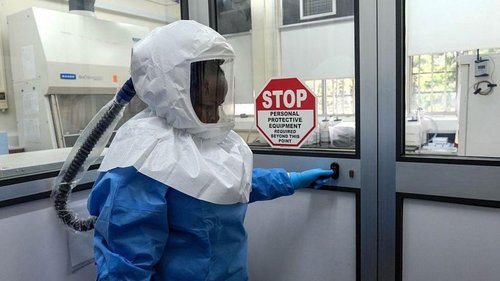
Uganda’s response hinged on lessons learned from past outbreaks. In 2011, a 12‑year‑old girl’s suspected Ebola case was isolated quickly and died three hours later, with no secondary spread—teaching the system to act fast. The government also prepared a specialised Ebola treatment centre at Mulago Hospital, using stockpiled supplies and an on‑call medical team. Within a day they were ready to admit patients.
When DR Congo declared the outbreak on 15 May, Uganda already knew the strain was Bundibugyo; the knowledge allowed them to act before local transmission. By contrast, surveillance in the Congolese province of Ituri suffered from logistics, poor planning, and an insecure environment, meaning case‑checking arrives late.
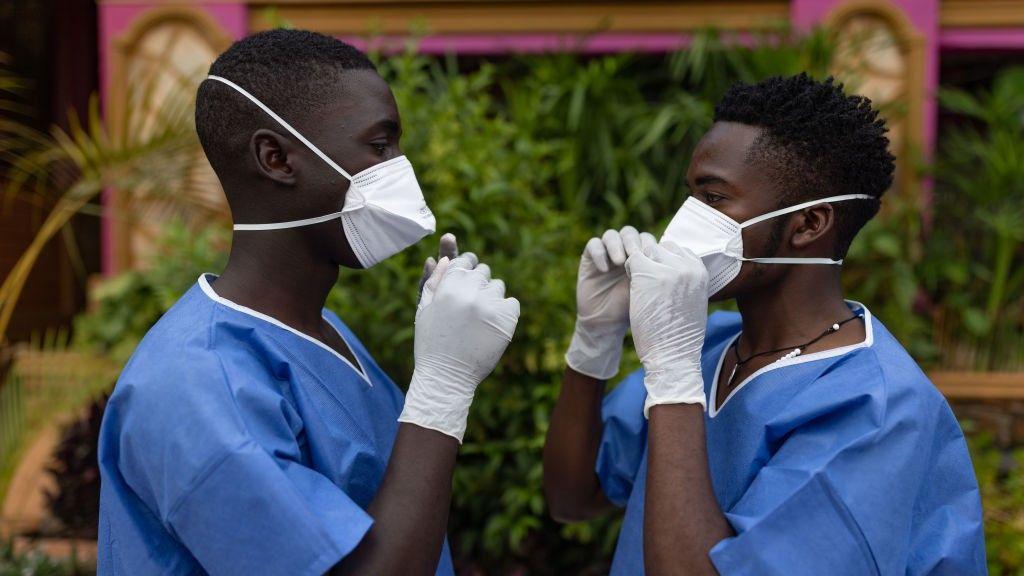
Community cooperation is key. Ugandan officials report that at‑risk communities have complied with screening, quarantine, and education campaigns. This community engagement mirrors Uganda’s earlier battle with HIV, where a government programme lowered prevalence from 10 % to 6 % in a decade.
The health ministry announced Uganda is Ebola‑free, taking care to only lift the official alert after the last patient recovered and no community transmission had been seen. Though the border with DR Congo remains porous, Ugandan officials are sending health workers abroad to help tackle the epidemic, recognising that victory in Uganda depends on victory in Congo.