In brief
Pennsylvania reported two deaths from measles in individuals who had not been vaccinated, underscoring a broader national surge in cases. The state has recorded 393 measles cases this year, the highest in 35 years. While 85% of Lancaster County kindergarteners are vaccinated—below the critical 95% threshold—public health officials stressed the severity of the disease and the importance of the MMR vaccine. Recent U.S. policy moves toward reducing childhood shots and splitting the MMR vaccine have spurred concerns among experts. The outbreak threatens the U.S.'s status as a measles‑eliminated country.
Two people who were not vaccinated against measles have died of the virus in Pennsylvania, health officials said.
The state has seen 393 cases of the highly contagious virus this year, as infections across the U.S. have hit the highest point in 35 years.
Last year, two unvaccinated children in Texas died from a measles outbreak that infected over 1,000 people, primarily children.
Eighty‑five percent of kindergarten‑age students in Lancaster County—where the recent deaths occurred—are vaccinated against measles, well below the 95% rate needed for herd immunity to protect vulnerable populations.
"My deepest sympathies are with the loved ones who are facing this unimaginable loss," Pennsylvania Secretary of Health Debra Bogen said in a statement.
She added that the mumps, measles and rubella (MMR) vaccine provides the best protection against illness and death, though the department did not share identities of those who died.
The U.S. has recorded 2,777 confirmed measles cases in the first seven months of 2026, up from last year’s high of 2,289.
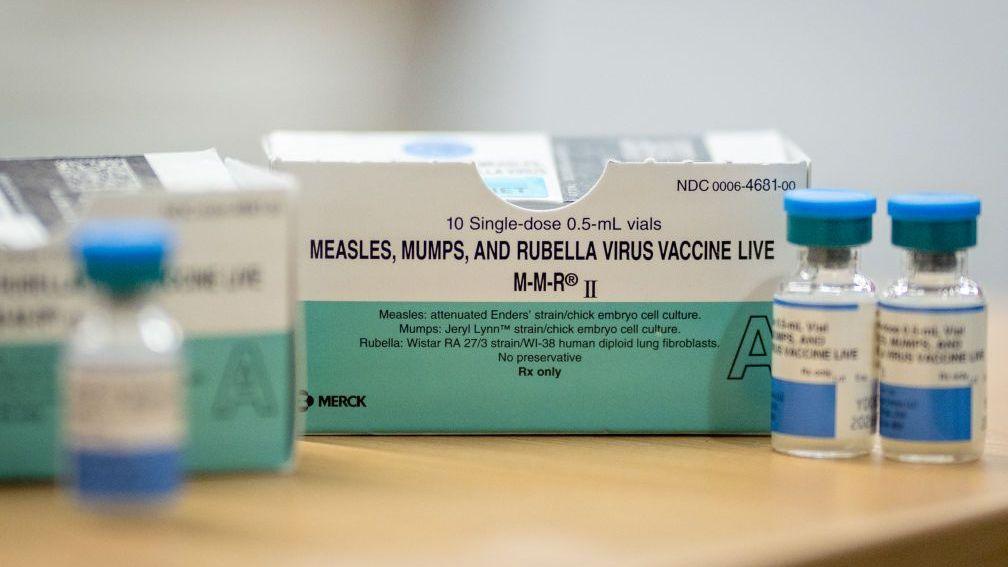
The rise comes amid growing vaccine hesitancy, leading to lower immunisation rates. The U.S. recommends two MMR shots for children between ages one and six, which is 97% effective in preventing disease.
Earlier this month, President Donald Trump signed an executive order calling for fewer childhood vaccinations and recommending splitting the MMR vaccine into three separate shots. Public health experts warned the order could cause confusion about a safe and effective vaccine and result in higher costs.
The order followed Health Secretary Robert F Kennedy Jr’s attempts to revise U.S. vaccine policies, including the childhood schedule. Many changes were blocked by a federal judge earlier this year.
Kennedy has promoted mixed messaging on the MMR vaccine, at times endorsing it while presenting unproven safety concerns.
The U.S. is on track to lose its measles‑eliminated status, a determination to be made by a panel in November—the first country to do so after Canada last year.