In brief
The Democratic Republic of Congo is preparing to deploy the Ervebo vaccine in a clinical trial to evaluate its effectiveness against the Bundibugyo strain of Ebola that is now driving a deadly outbreak. WHO officials warned that infections are growing exponentially, with more than 2,500 deaths reported and half of those occurring in the last 20 days. Into the complicated landscape of conflict, the M23 rebel group has imposed travel restrictions, while health workers face threats and strict burial protocols to prevent virus spread. This vaccination effort, involving 70,000 doses split between trials and frontline workers, is seen as a crucial reinforcement of the response.
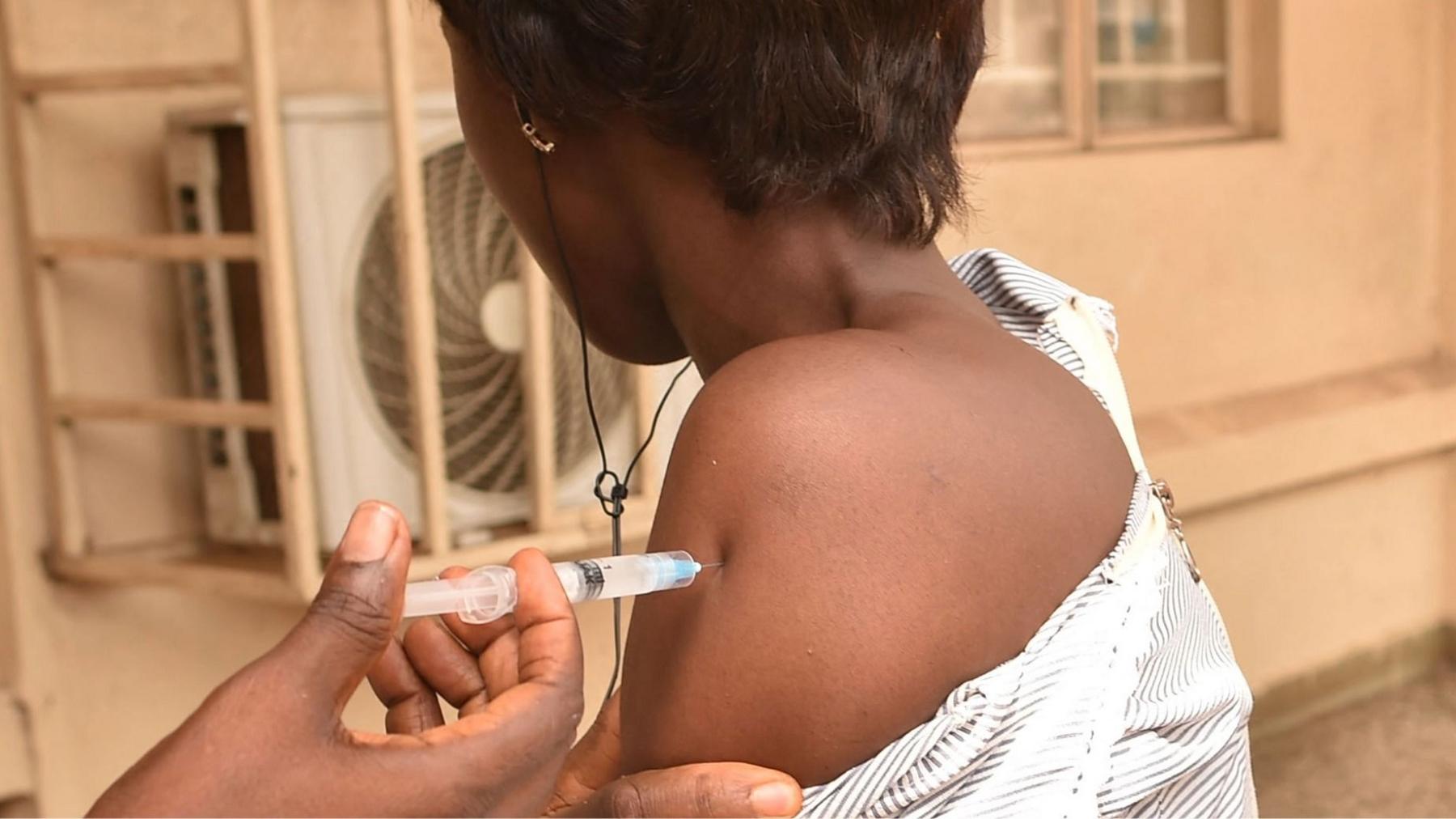
The Democratic Republic of the Congo is gearing up to roll out the Ervebo vaccine, with some doses earmarked for a clinical trial to test its efficacy against the Bundibugyo species of Ebola currently circulating in the country.
While the vaccine protects against the Zaïre strain, no proven vaccines or treatments exist for Bundibugyo.
WHO warned that the outbreak is spreading “exponentially” across northern and eastern DR Congo, covering an area larger than France. As of today, roughly 2,500 people have died since the outbreak began three months ago, with half of those deaths occurring in the last 20 days.
“It is growing faster and wider than the Ebola response,” said WHO Ebola coordinator Julien Harneis.
At least 180 Congolese children have lost both parents or caregivers to the virus, according to a Save the Children report. The outbreak is the second‑worst in DR Congo’s history and ranks just behind the 2014‑2016 West African outbreak.
Health workers are impeded by conflict‑hit regions, mistrust of authorities, and traditional burial practices that facilitate spread. They hope the Ervebo vaccine could change the trajectory of the epidemic.
WHO will use 20,000 doses in a clinical trial to evaluate effectiveness against Bundibugyo, while 50,000 doses will be deployed to frontline health workers.
In tandem, M23 rebels have announced new movement restrictions between government‑held and rebel‑held areas of North Kivu province, suspending shared taxis and passenger boats for one month to curb transmission.
The M23 group, which captured Goma and Bukavu in early 2025, is also running a parallel Ebola response in its territories.
Ebola, especially the Bundibugyo species, remains rare but deadly; symptoms mimic flu or malaria and include fever, headache, fatigue, vomiting, and diarrhea.
Contact with infected bodily fluids remains the primary transmission route.