In brief
In Kherson, a Ukrainian paramedic, Inna Lytvynenko, described how an FPV drone struck her ambulance, followed her in a frantic chase, and how similar attacks have escalated in recent weeks. The World Health Organization reports 3,118 attacks on medical facilities since February 2022, with ambulance strikes accounting for 20% of the total. Doctors Without Borders (MSF) and other humanitarian groups warn that these sustained assaults are a deliberate strategy to hinder civilian access to health services. The Ukrainian government has urged Russia to cease these “human safari” attacks, citing violations of international law under the Geneva Conventions.
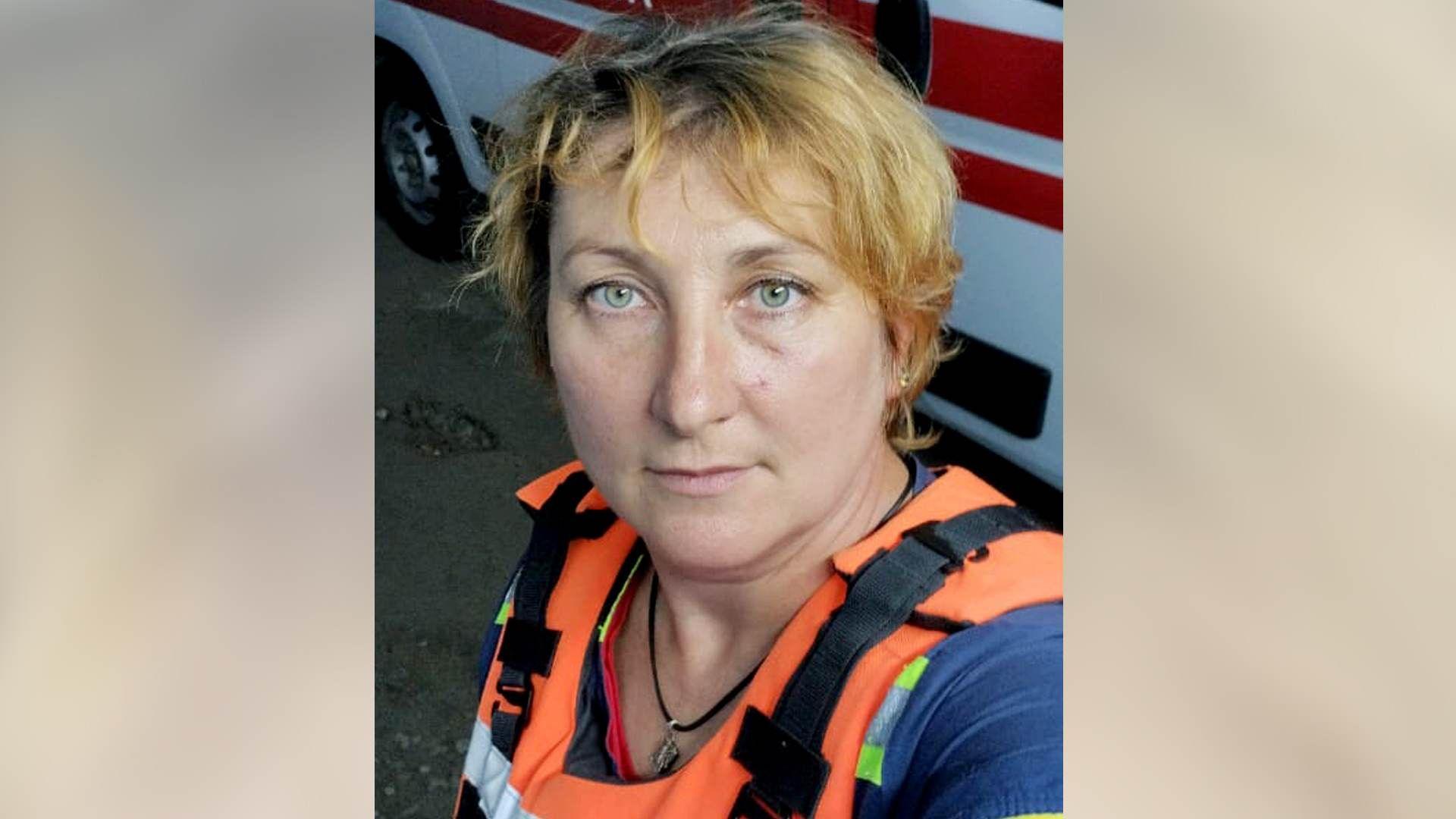
In a stark display of the war’s brutal impact on civilian life, Inna Lytvynenko, a Ukrainian paramedic, recounts how surviving an FPV drone attack forced her to sprint in a scramble for life.
On last July’s emergency call in Kherson, a Russian drone slammed into Lytvynenko’s ambulance. Minutes later, a second drone, following a straight line, locked in on her brightly marked vehicle. “I panicked. I grabbed my trauma bag and started running,” she told us. “I knew that if I stopped, I would die.”
The drone chased her for ten minutes until it abruptly retreated – only to return later that week in a double‑tap strike that bombed the ambulance again, damaging it and leaving her medical equipment scattered across the floor.
Such incidents echo a broader pattern: WHO data shows 3,118 attacks on Ukrainian healthcare since the February 2022 invasion, with ambulance strikes making up 20% of these assaults. Dr Jarno Habicht, WHO’s representative in Ukraine, warned that the “human safari” tactics are a calculated strategy that “should not be the normality.”
Doctors Without Borders (MSF) report that Russia’s systematic targeting of medical facilities is a sustained feature of the war, not an occasional side‑effect of larger offensives. The last month, a cluster of missiles struck a Kherson hospital, killing one doctor and destroying infrastructure.
Zelensky has called for intensified pressure on Russia to protect civilians, while radio‑active casualties continue to pile up. In 2024 the rate of attacks on healthcare rose 30%, with a further 20% increase last year, and diplomats predict a sustained upward trend for 2025.
Lytvynenko and her colleagues now monitor social media for threat signals before responding to emergencies. Despite wearing distinctive orange body armour and a clearly marked ambulance, she insists the drone operators deliberately chose her as a target.
In response, Ukrainian authorities are urging the international community to enforce the Geneva Conventions and for Russia to stop “hunting attacks” on first‑responders. Meanwhile, MSF has ceased regular visits to 80 villages near the front, suspending ambulance services in some eastern cities due to the growing danger zone in the double‑tap attack cycle.
The relentless targeting of healthcare means the civilian population near the frontline misses essential medical supplies, and elderly residents with chronic disease are left vulnerable, with their lives at risk of slow death due to lack of medication. These attacks continue to widen the gap between frontline civilians and the rest of Ukraine, undermining the nation's resilience.