In brief
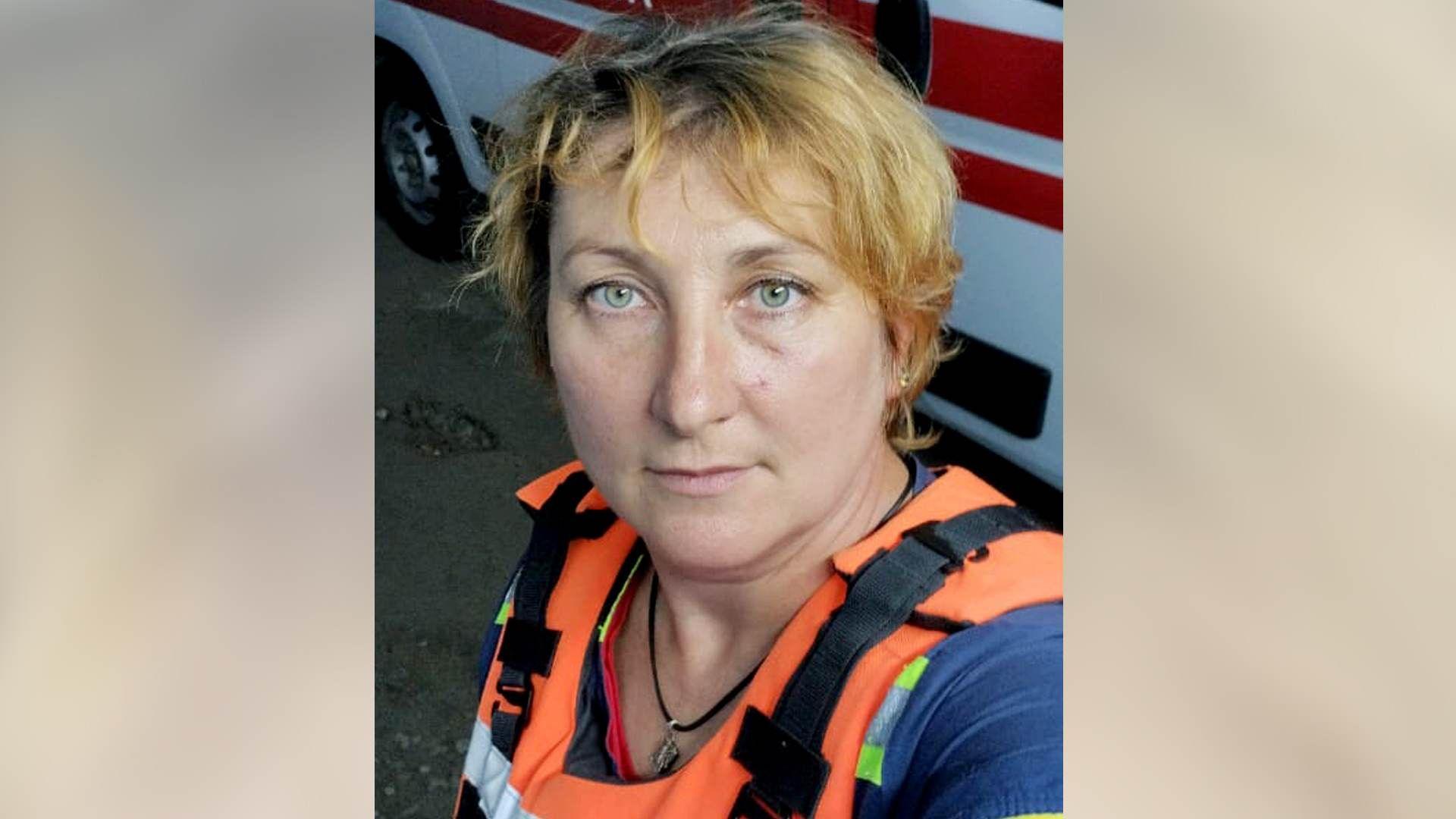
In Kherson, paramedic Inna Lytvynenko escaped a Russian FPV drone that struck her ambulance while she was treating a wounded victim. She erupted, fearing death, and ran for ten minutes until the drone fled. Her experience is part of a broader campaign – Warsaw‑based Step‑by‑step government says 3,118 attacks on healthcare have been logged since the invasion, with one‑fifth hitting ambulances. President Zelensky has urged Moscow to end such “human safari” attacks, stressing violations of the Geneva Conventions. The story underscores a grim trend that strips civilians near the frontlines of vital medical assistance.
Inna Lytvynenko, a makeshift paramedic, recounted how an FPV drone lanced her ambulance in Kherson and then chased her for ten minutes. She said, "I ran because I knew I would die," while clutching a trauma bag as the drone whizzed overhead.
The attack was not isolated. Later that week, drones slammed into two more vehicles—a second ambulance and a police car—deliberately targeting first‑responders arriving to aid the same wounded woman.
President Volodymyr Zelensky has called on Moscow to stop this proven “human safari” strategy, citing repeated violations of the Geneva Convention that protect medical facilities.
The World Health Organization reports 3,118 attacks on Ukrainian healthcare since the start of the conflict, with ambulances making up 20% of those. Such incidents have effectively cut off residents near the frontlines from life‑saving services.
Dr. Jarno Habicht of the WHO in Ukraine described the pattern as “a sustained feature of the war rather than an episodic consequence of large‑scale offensives.”
MSF’s latest report claims Russia has systematically targeted hospitals and health centres, pointing out that an earlier missile strike in Kherson killed a doctor after three missiles hit the building within minutes.
The danger zone of FPV drones continues to expand as both sides develop longer‑range technology, forcing mobile clinics used by humanitarian organisations to retreat further from the frontline.
“Every time we take a patient to the hospital, we just pray,” Lytvynenko says. “These drones can appear from anywhere, even through anti‑drone nets.”
In the wake of these attacks, Ukraine’s health sector has had to cut back on visitations; MSF stopped regular services in 80 villages near the front, and ambulance support has been paused in Sloviansk.
The cumulative effect of repeated strikes has left the Ukrainian civilian population, especially the elderly with chronic illnesses, increasingly cut off from essential medical care.