In brief
In Pennsylvania, health officials reported the deaths of two unvaccinated people caused by measles, marking a grim milestone in a state that has seen 393 cases this year. The outbreak occurs as national measles infections hit a 35‑year high, with vaccination rates falling below the 95% herd immunity threshold in places like Lancaster County. Governor Josh Shapiro condemned the spread and emphasized the safety of the MMR vaccine, meeting with federal health officials to address misinformation. The incident underscores rising vaccine hesitancy and the potential erosion of the U.S. measles elimination status.
Two people who were not vaccinated against measles have died of the virus in Pennsylvania, health officials said.
Over the past year, the state has recorded 393 measles cases, a record high for the region and part of the United States’ 35‑year peak in infections.
In Lancaster County, where the deaths occurred, only 85 % of kindergarteners are immunized—well below the 95 % threshold needed for herd immunity and protection of vulnerable populations.
Last year, a Texas outbreak tied to unvaccinated children claimed two more lives, underscoring a national trend of rising vaccine hesitancy.
“This is a serious and growing problem across our country and in our commonwealth,” Governor Josh Shapiro said at a news conference on Tuesday. “This illness and death from measles is completely preventable.”
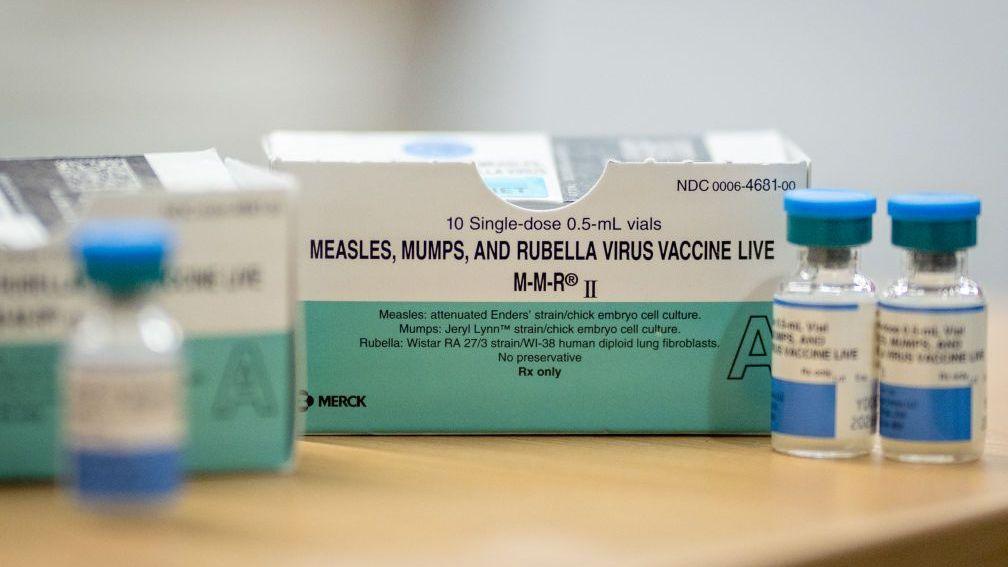
Shapiro highlighted the MMR (mumps, measles, rubella) vaccine as the best protection against the disease, calling for a re‑affirmation of vaccination coverage.
Officials declined to disclose personal details about the deceased, noting that children are among the highest risk groups for severe outcomes.
Nationally, the U.S. has documented 2,777 confirmed measles cases in 2026—up from 2,289 the previous year—reflecting a steeper rise as vaccination rates wane.
President Donald Trump’s recent executive order, aiming to split the MMR vaccine into separate shots, has sparked controversy and confusion among health experts who warn it could undermine a proven public‑health tool.
Shapiro named a recent phone call with U.S. Health Secretary Robert F. Kennedy Jr., who has faced legal challenges over vaccine policy changes, as a point of tension in the discussion.
With the U.S. on track to lose its measles elimination status, a panel set to review the country’s standing in November will confront growing evidence of vaccine gaps and their impact on public health.