In brief
Health authorities in the Democratic Republic of Congo report a death toll of 2,325 amid the fastest‑growing Ebola outbreak in history. The Bundibugyo strain has killed a person every 30 minutes, surpassing the 2018‑2020 epidemic. With no approved vaccine yet, researchers are developing several, including one based on the AstraZeneca platform. The WHO aims to curb transmission within three months, while new treatment centers like the one in Rwakole offer a glimmer of hope. The outbreak’s spread is fueled by decades of conflict and a highly mobile population.
Ebola outbreak in DR Congo becomes deadliest in its history – Health officials say 2,325 people have died since the virus was declared in May, surpassing the 2018‑2020 epidemic in the country’s 50-year history.
The outbreak is spreading at an unprecedented rate and has already hit 1,000 deaths in just three months, a pace almost twice as fast as the 2014‑2016 West African outbreak.
UN humanitarian chief Tom Fletcher warned that the disease is killing a person every 30 minutes and that the virus spread across six of 26 provinces is described as “exceptional” by the World Health Organization.
There is no approved vaccine for the Bundibugyo species yet, but development is ongoing – with a candidate based on the technology used for the AstraZeneca Covid‑19 vaccine.
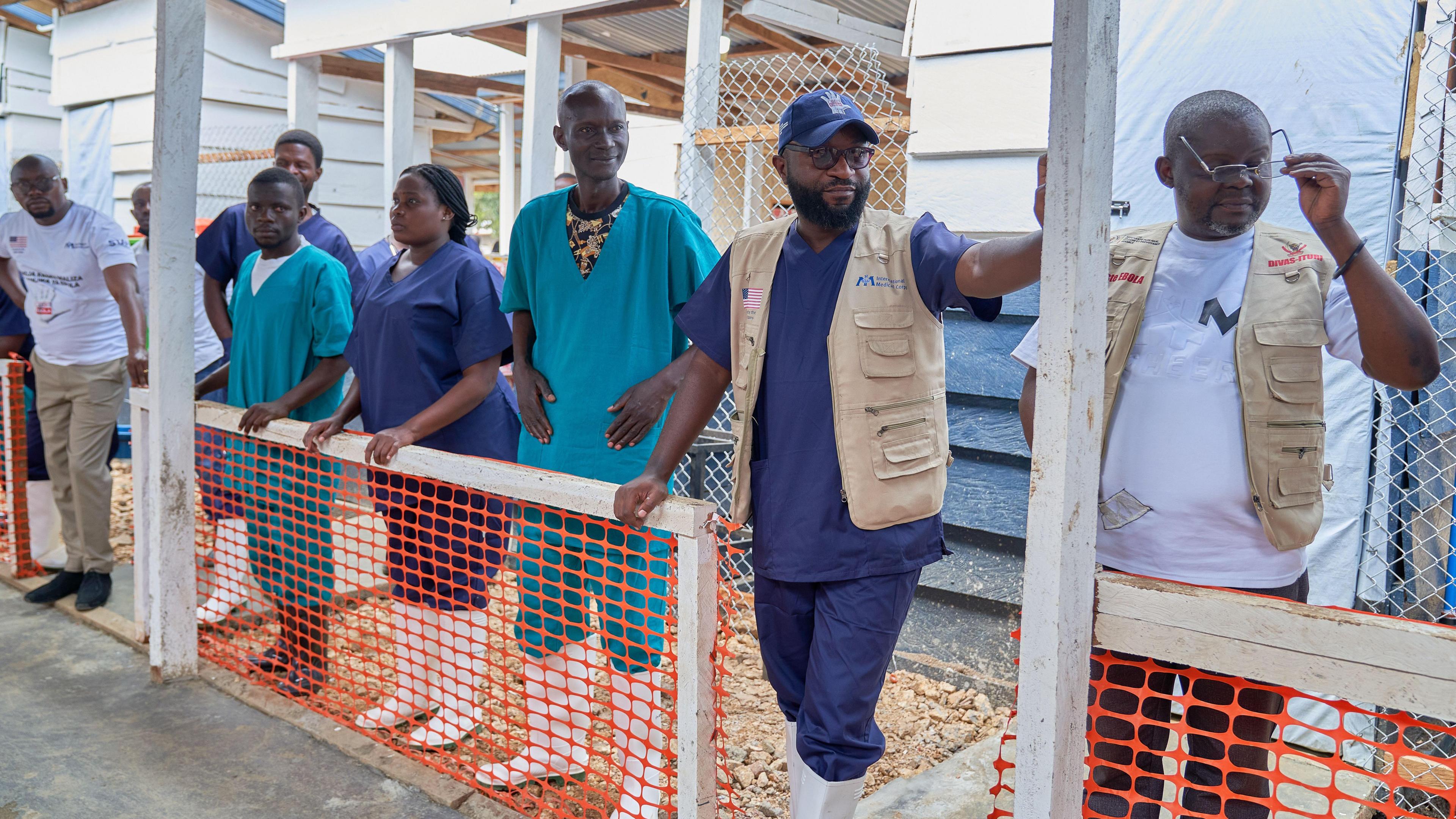
On 4 August, a new Ebola treatment centre was inaugurated in Rwakole, Bunia, giving hope to patients in an area where health services have struggled under years of conflict and a highly mobile population.
WHO is also sponsoring a clinical trial in the DRC to test the effectiveness of two existing antiviral therapies, while the UK MHRA has begun human trials for a Bundibugyo vaccine developed by Oxford University.
Worldwide, only a handful of cases have appeared outside the DRC – 20 in Uganda, two in Germany, and one in France – showing the virus’s limited spread beyond the emergency zone but the potential for future international outbreaks.
The pace of the outbreak, spread by close contact with infected bodily fluids, has prompted urgent calls for resources, improved medical supplies and enhanced surveillance to reverse the spread in the coming months.