In brief
Bangladesh has reached a new trade agreement with the US, securing exemptions on some clothing products and lowering tariffs on Bangladeshi imports. This deal is expected to propel economic ties between the two nations, enhancing market access for both sides while bolstering Bangladesh's critical apparel industry.
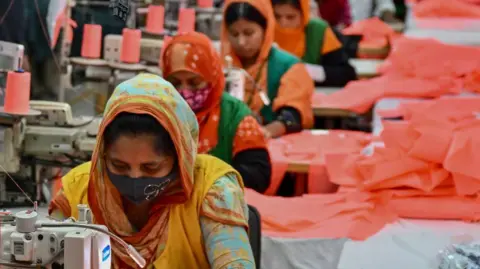
Bangladesh has secured exemptions for certain apparel and textiles produced using US materials as part of a recent trade agreement with the United States. Announced on Monday, the deal not only grants tariff exemptions but also reduces the tariff on Bangladeshi imports from 20% to 19%, contingent on Bangladesh opening its markets to a broader range of American goods.As the world's second largest clothing exporter, Bangladesh's economy heavily relies on the apparel industry which constitutes over 80% of its total export revenue, employing approximately four million workers.This agreement comes after an extended dialogue with the White House, especially following the imposition of wide-ranging tariffs by former President Donald Trump in April of the previous year. The White House indicated that the new arrangement will enhance economic ties and provide unprecedented access for both nations' markets.US tariffs on specific goods from Bangladesh will be reduced while allowing certain clothing and textile products into the US duty-free. The focus will be on goods made from American cotton and man-made textiles, with volumes determined by US textile exports to Bangladesh.In return, Bangladesh has agreed to offer significantly preferential market access to various American industrial and agricultural products, including chemicals, medical devices, and meat.The agreement also includes Bangladesh's commitment to adhere to international labor rights and increase environmental protection efforts.As the country prepares for general elections amidst shifting political landscapes, the latest tariff adjustments could place Bangladesh in a more competitive position against India, which currently faces a lower tariff rate from the US.