In brief
Starbucks is investing heavily in technology to enhance customer service and improve operational efficiency as it faces stagnating sales and increasing competition. With the deployment of AI-driven tools and robotics, the coffee giant aims to streamline its operations—such as utilizing a virtual assistant for baristas and automating order processing at drive-thrus. Despite recent sales growth, concerns over profitability remain as the company navigates ongoing labor disputes and aims to cut costs. CEO Brian Niccol emphasizes the brand’s commitment to preserving the personal touch while leveraging technology.
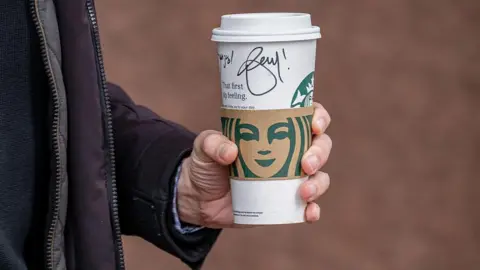
Americans pulling into a Starbucks drive-thru might think they are being served by a friendly staff member. But at some locations, the voice listening to the order is actually an AI robot.Behind the counter inside the store, baristas can lean on a virtual personal assistant to recall recipes or manage schedules. In the back of the shop, a scanning tool has taken on the painstaking process of counting the inventory, relieving staff of one of retail's most tedious chores, in a bid to fix the out-of-stock gaps that have frustrated the firm.This new technology is part of the hundreds of millions of dollars the 55-year-old coffee giant has been investing as it tries to win back customers after several years of struggling sales. And there are signs that the effort is working: last week, the company reported its first sales increase in two years at established stores in the US - its biggest and most important market, accounting for some 70% of revenue.However, the firm's share price slid 5%, reflecting investor concerns that all the spending, which includes $500m to boost staffing, had hurt profits. Chief executive Brian Niccol asserts that consistent sales growth will ultimately address these issues.To enhance the customer experience, Starbucks encourages staff to return to writing customer names on cups by hand while also revamping store aesthetics with inviting armchairs and new paint. The firm's obsession with technology contrasts with an emphasis on providing a personal touch that Niccol believes is crucial for the future of Starbucks. As the company embarks on ambitious plans to nearly double its store footprint globally, stability amidst ongoing labor disputes remains a challenge, suggesting that Starbucks is at a pivotal moment in its history, balancing technological advancements with customer-centric traditions.