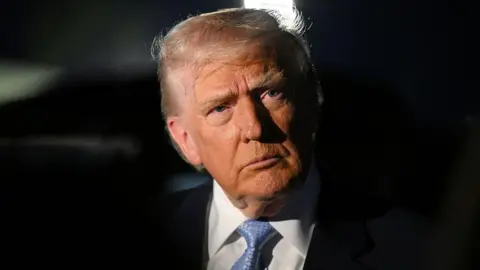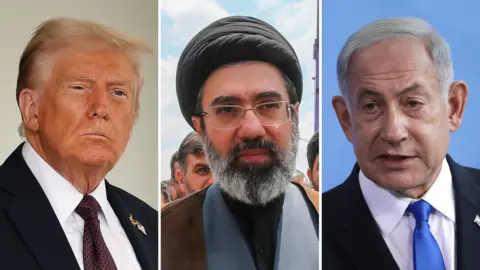
President Trump has confirmed Iran is in serious discussions with the US following the steady build-up of American military forces in the Gulf.
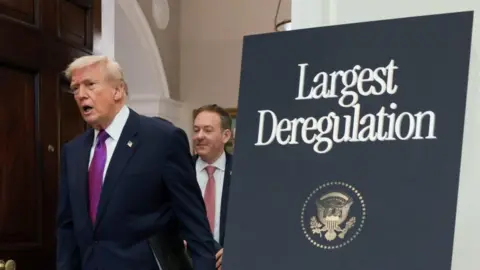
The US president expressed hope that negotiations with Iran would lead to something acceptable, indicating that tensions between the two nations are far from resolved.
Iran's leading security official, Ali Larijani, also noted that a framework for negotiations was progressing. However, Trump has made it clear that he may intervene if Iran continues its nuclear projects and the crackdown on anti-government protests does not cease.
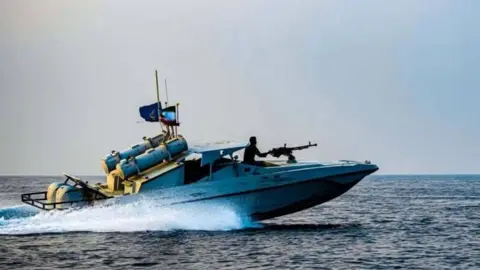
Iran's official response included warnings of a strong retaliation to any US aggression, raising concerns as the country prepares for a two-day live-fire military drill in the Strait of Hormuz—one of the world’s most crucial maritime corridors through which approximately one-fifth of the global oil supply passes.
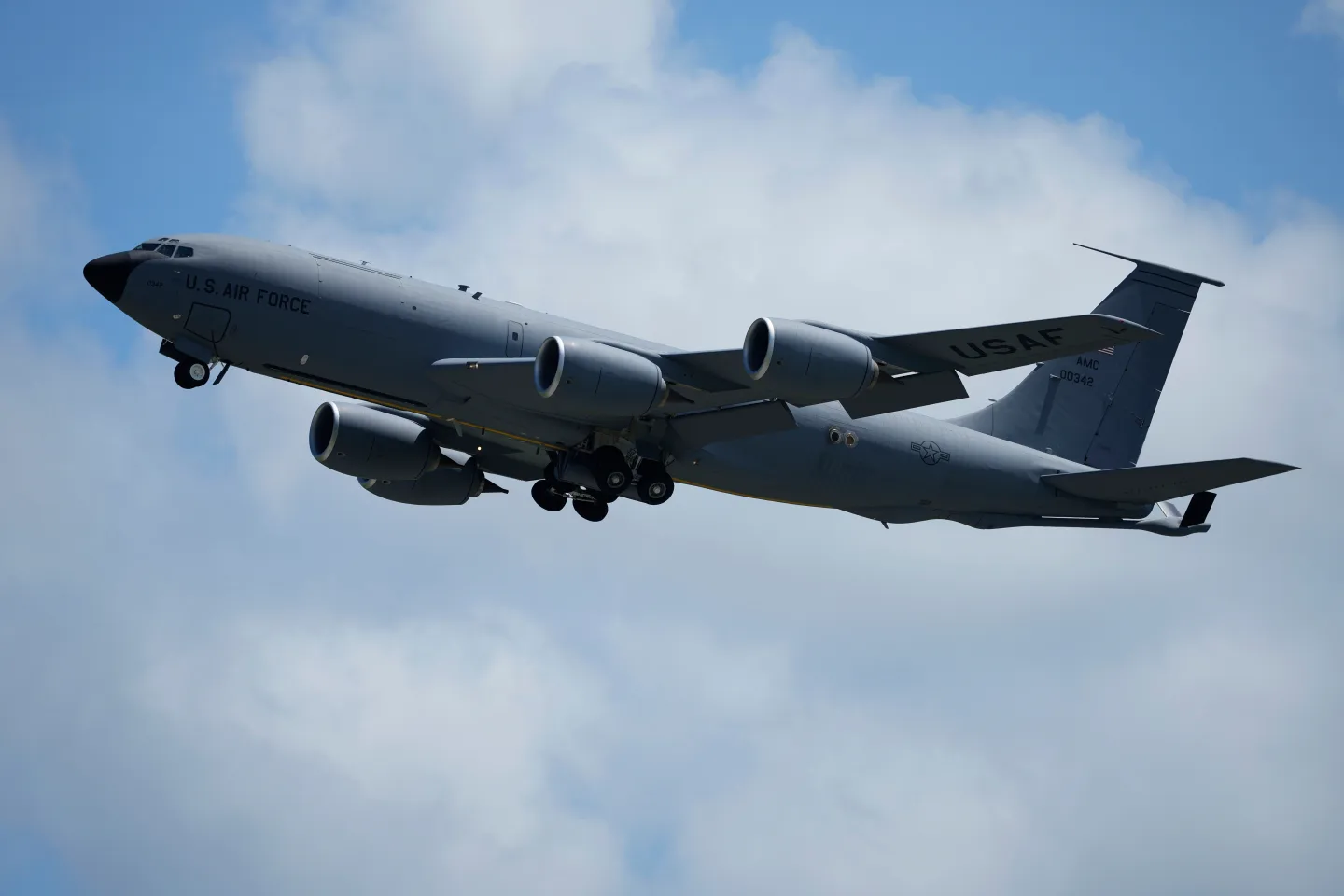
In recent days, the US has amplified its military presence, including deploying the aircraft carrier USS Abraham Lincoln to the Arabian Sea, while issuing stern warnings to Iran against any unsafe conduct near US forces.
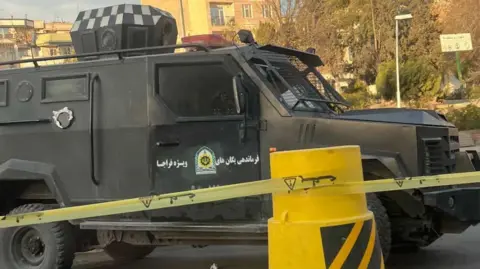
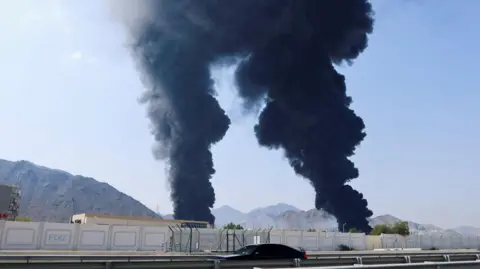
Iranian officials reacted defiantly to US warnings, defending their military drills as necessary and part of their sovereign rights. Amid these developments, two explosions in southern Iran compounded existing tensions and fears, leading local authorities to blame gas leaks for the incidents, while refuting social media reports of targeted attacks on military officials.
As both sides navigate this precarious situation, the stakes have heightened considerably, particularly regarding the potential repercussions for regional and global stability.