In brief
In a heart-wrenching event that has shocked Turkey, a mass shooting in Kahramanmaras has claimed the lives of eight children and a teacher. The 14-year-old assailant, a fellow student, was killed at the scene. Families mourn as the community calls for increased security in schools amidst rising violence among youth. The incident follows a series of attacks in the area, raising concerns over the mental health of adolescents and the potential for similar tragedies in the future.
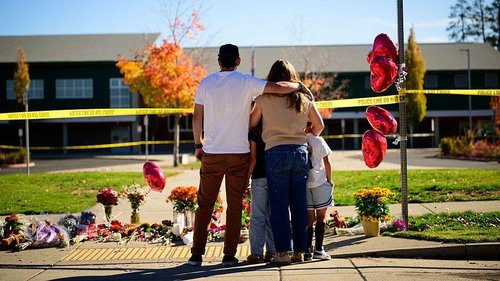
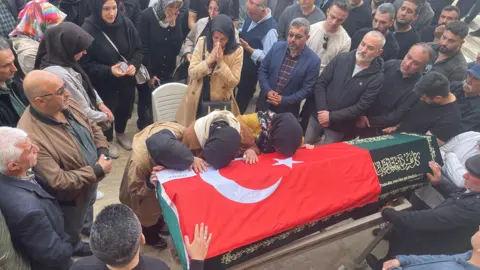
Outside a morgue in south-eastern Turkey, a group of men rushed to carry a coffin, which felt unusually light—the weight of a ten-year-old boy. His father followed, supported by relatives, overwhelmed by grief. Oh, my martyred child, he cried. The victim was one of eight children shot dead in a tragic incident in Kahramanmaras, where a 14-year-old gunman also killed a teacher. This city, known for its ice cream, now bears the painful distinction of being the site of Turkey's first deadly mass school shooting.As relatives and emergency services surrounded the coffins draped in Turkish flags, emotions ran high. Too late, too late, shouted a woman to the police, accusing them of failing to protect the children. The assailant should be hung in the main square, another shouted, though the boy had already been killed at the scene.Students, teachers, and parents gathered mournfully at the Ayser Calik Secondary School, where one mother wept over her daughter Zeynep's coffin, recalling the harrowing sounds of gunfire. Zeynep, a clever and respectful ten-year-old, was mourned by her uncle who expressed a desperate plea for increased security in schools. Just a day before this massacre, another shooting by a former student in the region injured 16. Experts worry about the influence of such violence on troubled young minds, highlighting a worrying trend in schools, a landscape already plagued by issues like bullying and violence long before firearms became involved. Investigations revealed that the shooter referred to infamous mass killers online, and shockingly, he accessed firearms from his father's collection, a former police officer now under arrest. Meanwhile, Turkish authorities have launched a crackdown on social media posts related to the tragedy, claiming to prevent misinformation while limiting public discourse on the attacks.As Turkey enters a new chapter of its collective trauma, the community and nation ask how to prevent such horrors in the future.