In brief
Two shocking domestic violence cases involving Black families in Louisiana and Virginia have led to increased scrutiny of the resources available for prevention and mental health within Black communities. Experts highlight alarming trends showing how domestic violence disproportionately affects Black women and the systemic barriers that contribute to this epidemic. As communities grapple with the aftermath of these tragedies, advocates call for a comprehensive approach to address the root causes of violence and improve access to mental health resources.
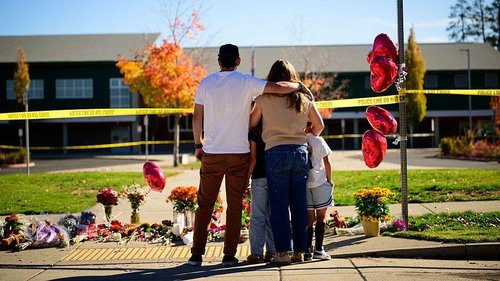
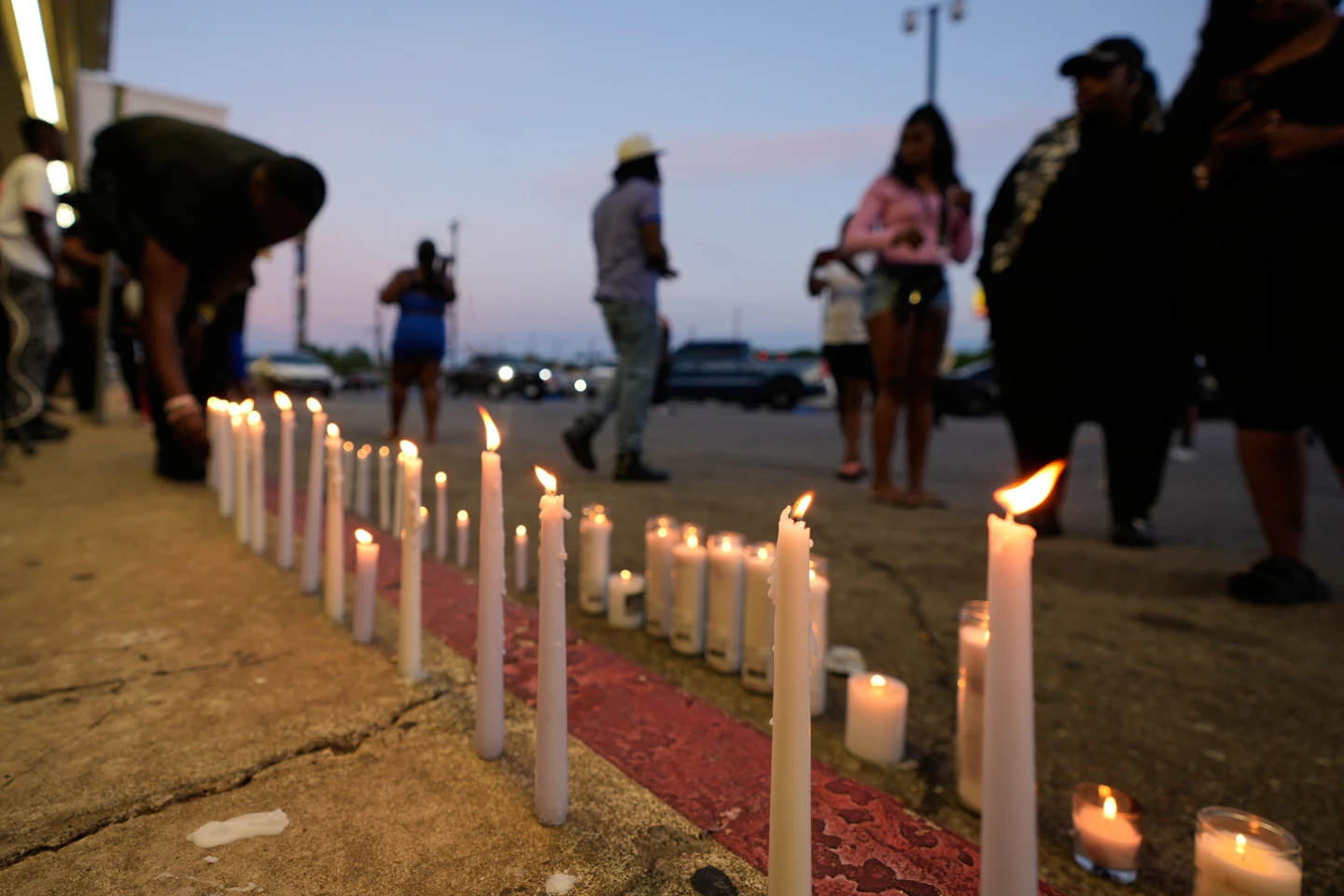
Two headline-grabbing, deadly domestic violence cases, one in Louisiana and the other in Virginia targeting Black mothers, have sparked a national conversation about domestic violence prevention resources and mental health care available to Black communities.Many advocates in the aftermath of the deadly shootings have said the tragedies pointedly highlight troubling underlying trends where Black women are more likely to experience domestic violence — and they see the killings as an opportunity to confront how disparities in access to care and resources make some women and children more vulnerable to violence in the home.On Sunday morning, a man police identified as Shamar Elkins fatally shot seven of his children and another child in Shreveport, Louisiana. A relative has said Elkins was in the midst of separating from his wife who was wounded.Last Thursday, police found the bodies of former Virginia Lt. Gov. Justin Fairfax and his estranged wife, Dr. Cerina Fairfax, in their suburban Washington, D.C., home. Justin Fairfax shot his estranged wife and then himself, and their two children in the home at the time were unhurt, police said. Like Elkins, Fairfax was in the process of separating from his wife and had faced a judge’s upcoming deadline to move from the house.While it’s not clear what prompted the Shreveport killings or the apparent murder-suicide in Annandale, Virginia, experts say that the harrowing details of the killings echo familiar patterns that play out in homes across the country — and underscore the need for solutions that address the root causes of the disparate violence.Sunday wasn’t the first time that Elkins’ family had suffered from gender-based gun violence: Shaneiqua Elkins and the other woman who was shot, Keosha Pugh, were sisters, and lost their mother to gun violence when they were under age 10, according to their uncle Lionel Pugh.Shreveport Councilman Grayson Boucher said at a news conference Monday that the Louisiana killings were emblematic of 'a true epidemic of domestic violence' across the small southern city of roughly 180,000 people. Those trends go well beyond Shreveport as experts have pointed out how both race and gender make Black women in particular more vulnerable to domestic violence.More than four in 10 Black women experience physical violence from an intimate partner during their lifetimes — a much higher rate than women who are white, Hispanic, Asian, or Pacific Islander, according to a 2014 study by the Centers for Disease Control.Paméla Tate is the executive director of Black Women Revolt, which runs programs to prevent abuse and offers survivors’ resources. She said a logical skepticism about police and government child services agencies based on a history of institutionalized racism makes Black women reluctant to seek help — and especially vulnerable to domestic violence.Ultimately, Tate said, 'domestic violence doesn’t see color,' and is primarily driven by the prevalent belief among men — across racial demographics — that women are subjects or property. 'Domestic violence is about exerting power over someone that you profess to love and controlling their behavior,' Tate said.