In brief
The California gubernatorial debate featured six candidates, showcasing the partisan divide on critical issues such as homelessness and taxes. Democrats attempted to separate themselves amid a crowded field, while Republicans criticized the current administration's handling of state challenges. As the primary election approaches, candidates are gearing up for a heated race in a significant shift for California's political landscape.
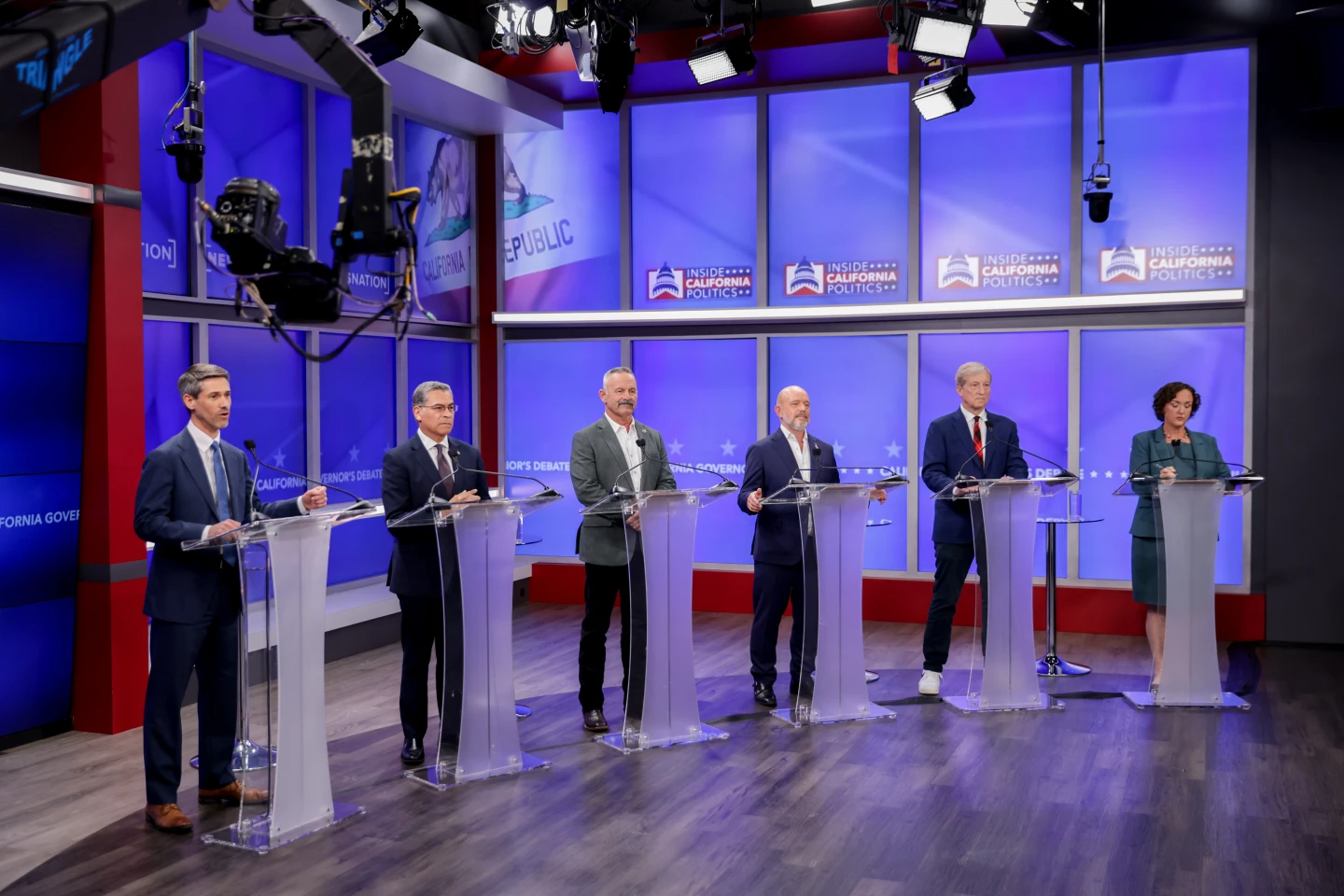
LOS ANGELES (PulseWire) — In a recent televised debate, six candidates for the California governor's race faced off, highlighting significant partisan divides on pressing issues such as homelessness and taxation. With over 50 candidates expected to appear on the primary ballot, this election marks a rare open contest in this heavily Democratic state.
Set against the backdrop of California's current struggles, notably high housing costs and homelessness, candidates sought to distinguish themselves. Democrats used the debate to emphasize their commitment to fighting against the perceived failings of the Trump administration, while Republicans criticized the Democratic leadership for the state's ongoing issues.
Leading the Republican side were conservative commentator Steve Hilton and Riverside County Sheriff Chad Bianco. They echoed calls for change, labeling the status quo as a dismal failure.
Over 90 minutes, topics ranged from housing policies and social media regulations to the candidates' personal experiences and financial backgrounds. Notably, the question of whether to ban social media use for children under 16 split responses, underscoring the nuanced views within both parties.
Billionaire candidate Tom Steyer was frequently called to address his wealth and prior business dealings, presenting a complex portrait as a candidate who aims to tax wealth while boasting significant financial clout himself. Despite criticisms, he argued for his long-term support of affordable housing initiatives.
This election cycle is particularly volatile, especially following the recent withdrawal of U.S. Rep. Eric Swalwell amidst allegations of misconduct, which reshaped the candidate landscape.
As California gears up for its primary election on June 2, candidates are acutely aware that their performances and public perceptions will be pivotal in this unprecedented election cycle. With historic stakes, the battle for the governor's office is set to be a defining moment for California's political identity.