In brief
Prince Harry and Meghan Markle's four-day visit to Australia sparked a blend of nostalgia and skepticism. While the couple participated in charitable activities and embraced fans, much of the Australian populace remained indifferent to their visit. Concerns over funding for their events coupled with the couple's shift to private engagement attracted criticism and raised awareness about their plans after the end of their commercial deals. Their tour was marked by an absence of traditional royal fanfare, reflecting a complex relationship with the Australian public.
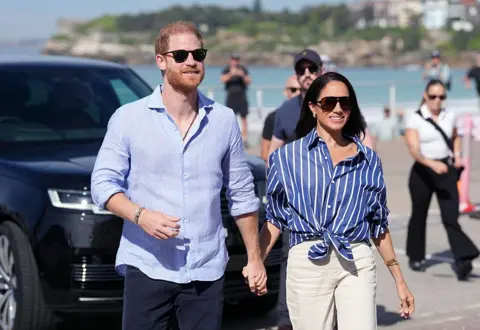
The Duke and Duchess of Sussex have finished their brisk four-day visit to the east coast of Australia. With an itinerary of Indigenous culture, Australian sport, multiple good causes, and a trip to the national war memorial, it had all the hallmarks of a traditional royal tour.
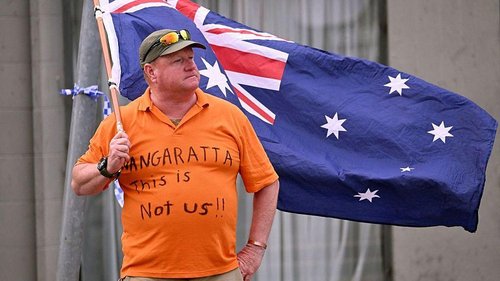
However, Prince Harry and Meghan Markle, no longer working royals, were here in a private capacity. When they last visited in 2018 - then still active members of the Royal Family - tens of thousands of people greeted them on a nine-day tour across Australia. This time was different. Most Australians the BBC spoke to were either unaware or uninterested in the couple's visit.
There has been some backlash too, after it emerged Australian taxpayers may be saddled with some of the security costs for their public events. If they think it's gone well, it's because nothing has gone wrong, says Giselle Bastin, an associate professor at Flinders University with a research interest in Australia's relationship with the monarchy.
Despite this, the couple effectively engaged with the public, making personal connections and participating in charity events. Individuals shared touching moments, such as Harry meeting a woman with a photograph commemorating her late mother. Meghan likewise connected with audiences, discussing social issues, including mental health.
The commercial aspects of the visit were questioned, as the couple navigated appearances that appeared to be paid events without clear communication about the distinctions between private and public responsibilities. Their presence in Australia sparked discussion about their choices post-royalty and public perceptions surrounding their financial independence.
In conclusion, Harry and Meghan's visit encapsulated the evolving dynamics between celebrity, philanthropy, and community engagement amidst a landscape increasingly defined by public skepticism.
}