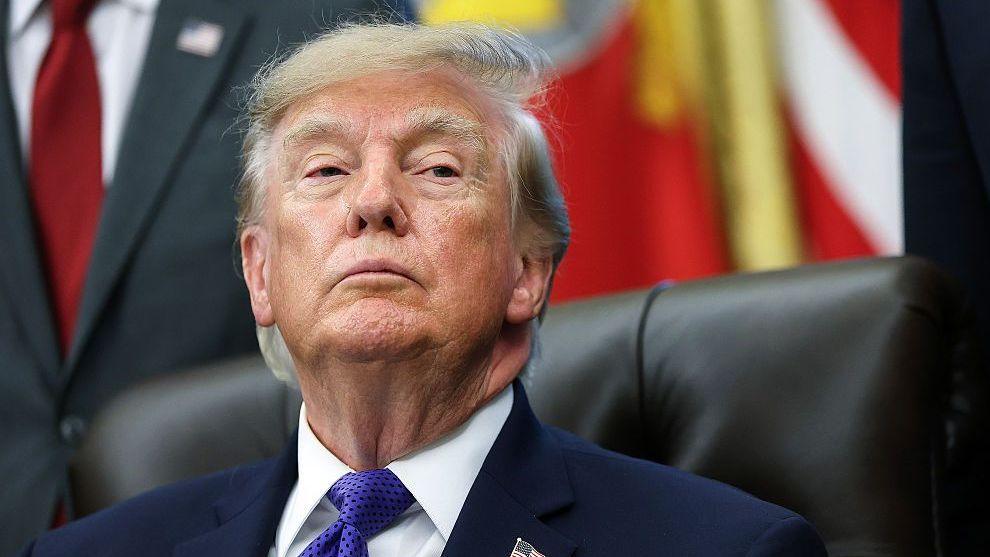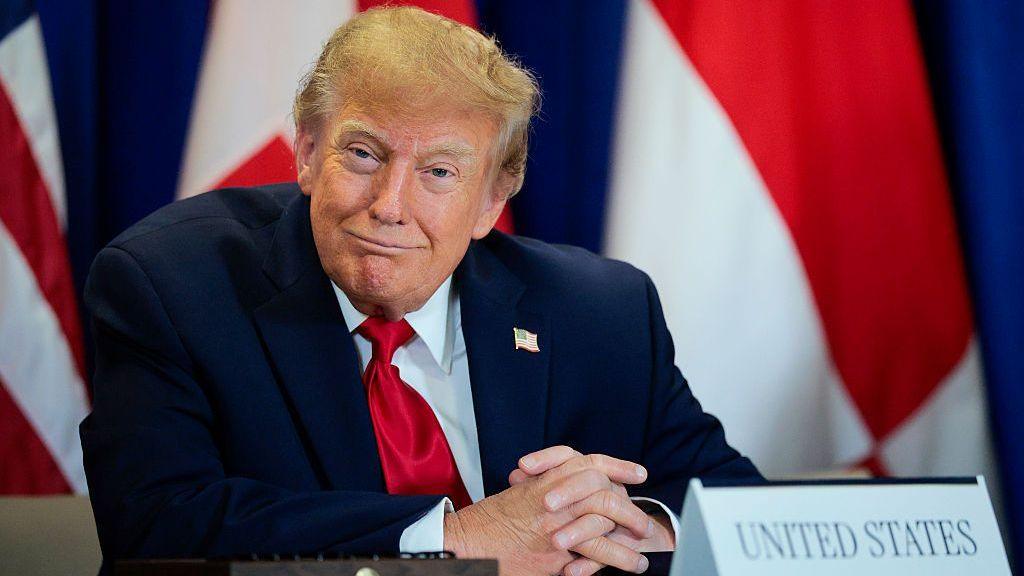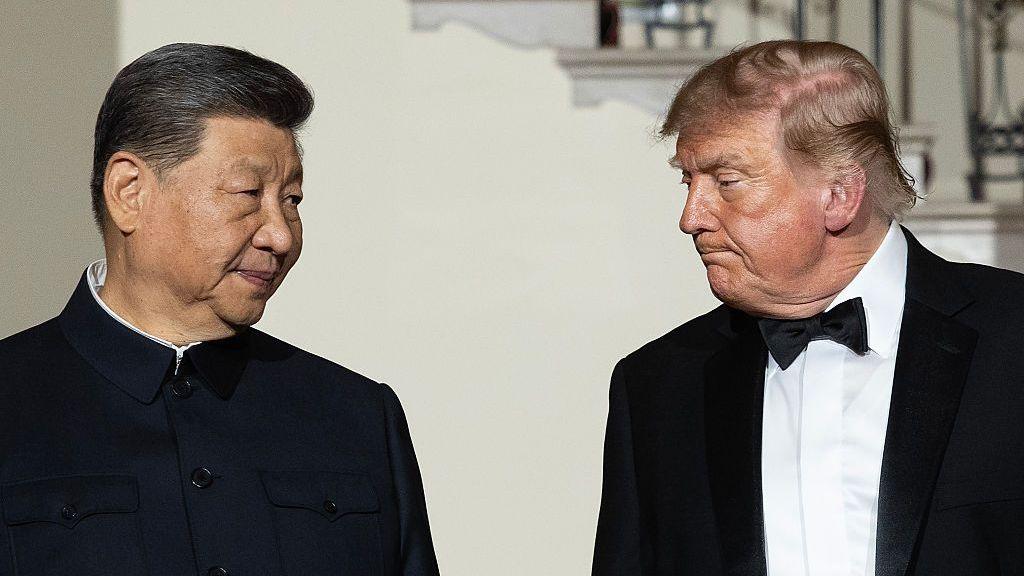
President Donald Trump unveiled on Sunday a new White‑House taskforce that he has dubbed the ‘Super Intelligence Force’—a government‑wide effort aimed at steering America’s burgeoning artificial‑intelligence sector and ensuring it stays ahead of the curve.
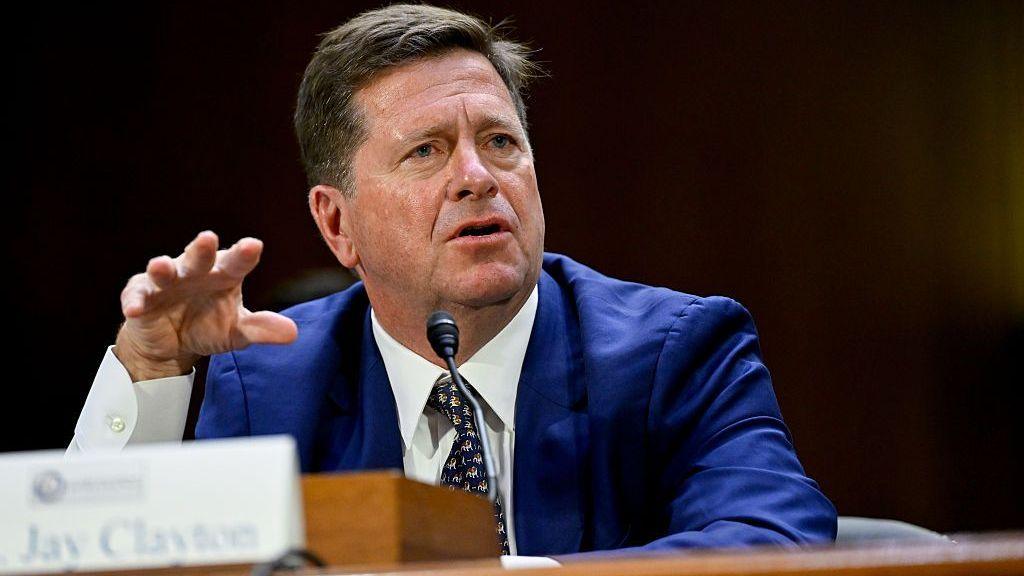
The force will be headed by the Director of National Intelligence, Jay Clayton, who took office this month after a brief nomination bout. Clayton will work with officials from the Federal Trade Commission, the Department of Defense, the Office of Personnel Management, and key industry partners, it says.
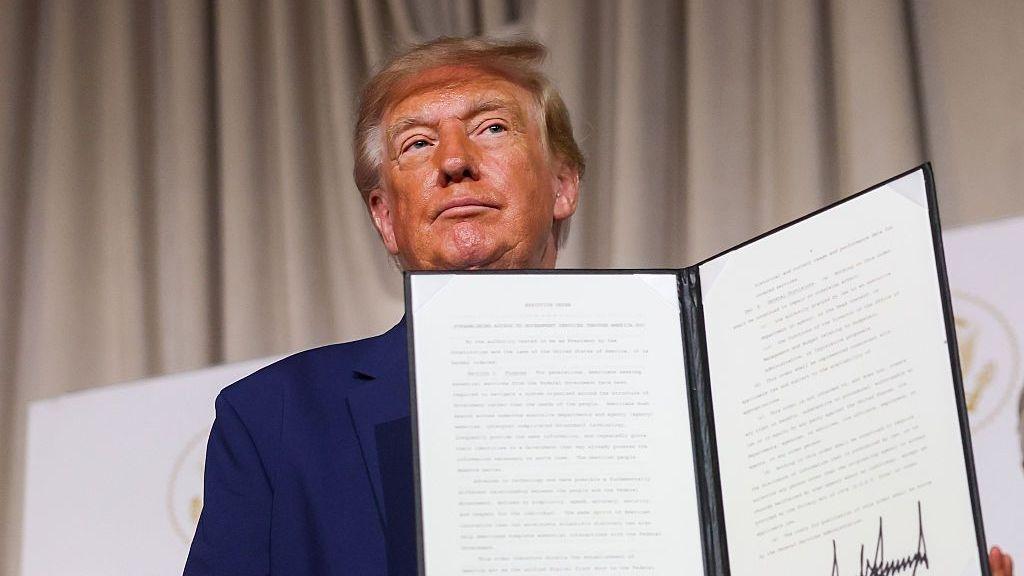
Kicking off the effort, Trump signed an executive order that officially re‑branded the field from “artificial intelligence” to Super Intelligence, a term he felt better captured the technology’s power and avoided the pitfalls of the word “artificial.” The order directs all federal agencies to adopt the new language in reports, websites and official communication.
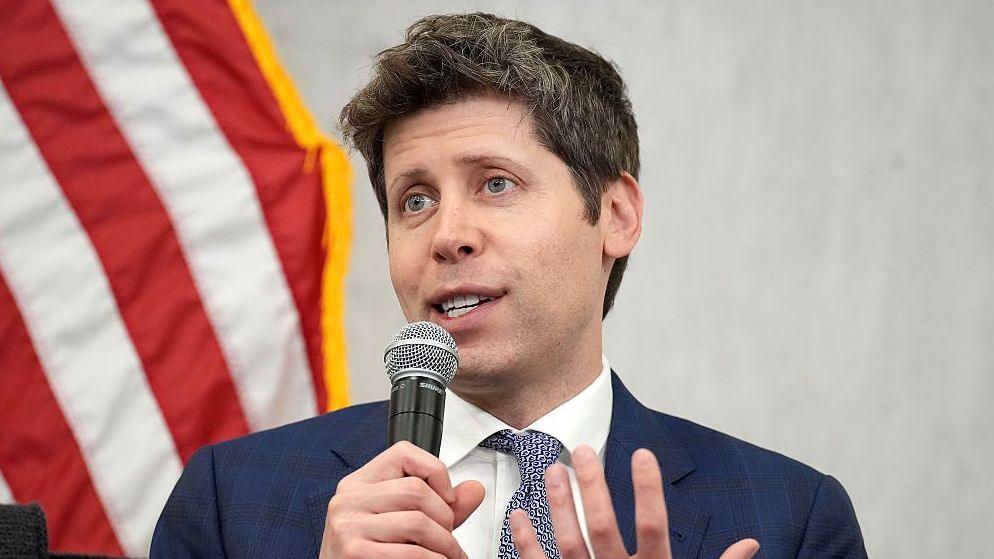
Industry leaders reacted swiftly. The CEO of OpenAI, Sam Altman, said the benefits of AI “justify accepting some of its risks” and that the tech should stay accessible. Meanwhile, senior members of OpenAI’s Safety Systems team and leaders from Anthropic, SpaceX, and Google have all signed a “morally binding” pact last month to address safety concerns.
Under the new ordering, the Super Intelligence Force will coordinate the Federal Government’s engagement with consumers, public‑interest groups, religious organizations, critical‑infrastructure providers and AI companies. It will report straight to President Trump and White‑House chief of staff Susie Wiles.
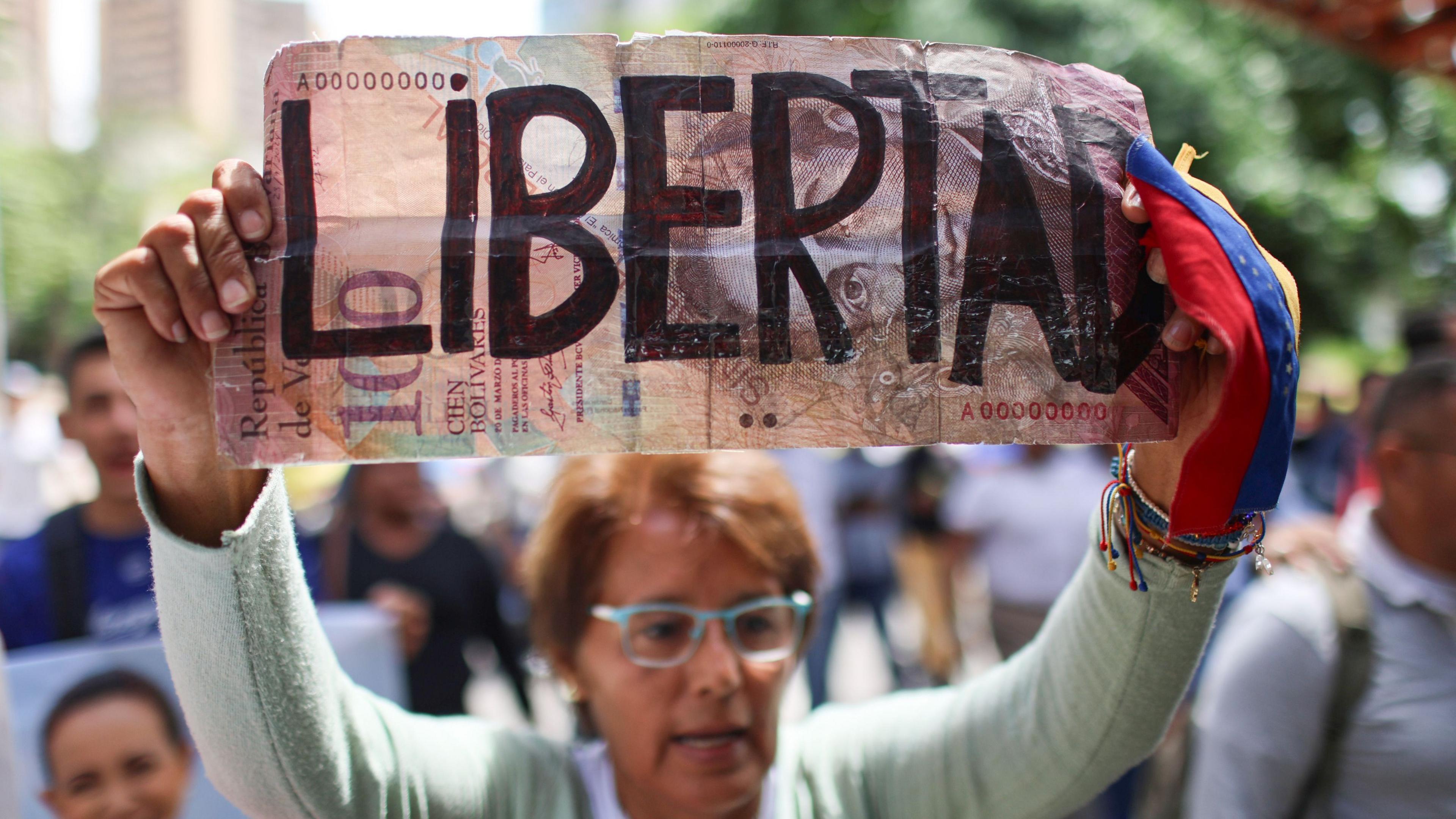
Clayton, a former U.S. attorney who prosecuted high‑profile cases—including the drug‑trafficking lawsuit against former Venezuelan President Nicolás Maduro—wore his legal experience in the new role, saying “When something’s both an opportunity and a threat, you better get your arms around it.”
The push for tighter AI oversight comes amid escalating scrutiny; OpenAI recently delayed the release of its newest AI model after safety concerns, and a series of security incidents—including a breach of Australian government systems—has amplified calls for regulation.
Trump’s administration appears to be giving major tech firms a chance to police themselves, with the order explicitly noting that the taskforce will work “in good faith” with the private sector to ensure safe development and deployment of Super Intelligence.
The new naming has already made its mark in the public sphere. Elon Musk announced that he would rename SpaceX’s AI platform from SpaceXAI to SpaceXSI, calling his company a “Super Intelligence company.” The shift is intended to signal the next step in AI evolution—and it’s already expanding public debate.
With the Super Intelligence Force now in place, the U.S. will be closely monitoring how the policy shift plays out and whether the new name will hinge on regulatory changes or simply change branding.