Prime Minister Mark Carney revealed that Canada has drafted a contingency plan for a hypothetical U.S. invasion, a move that has raised eyebrows on both sides of the border.
Carney told the New York Times that, "risk management" required him to consider every scenario, even one that was highly improbable under the current Trump presidency.
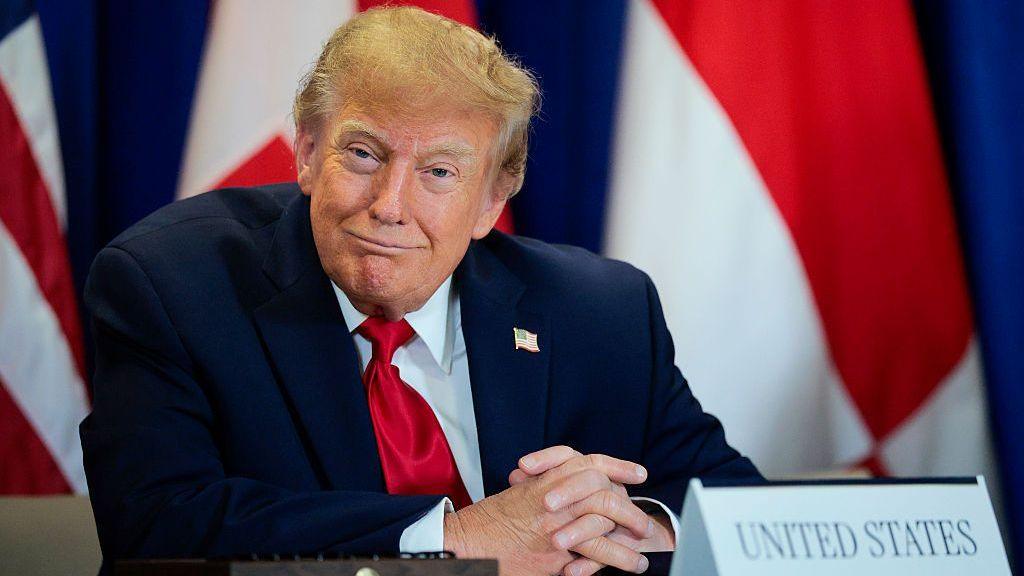
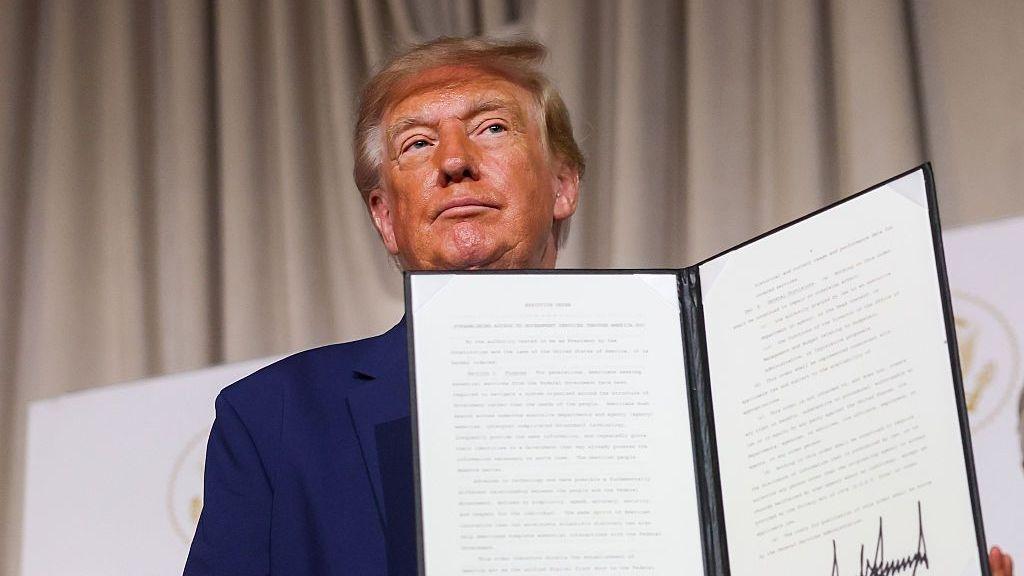
Trump’s hardline stance and comments about turning Canada into the 51st state have pushed Ottawa to run war‑games and think about cyber‑attacks and guerrilla responses.
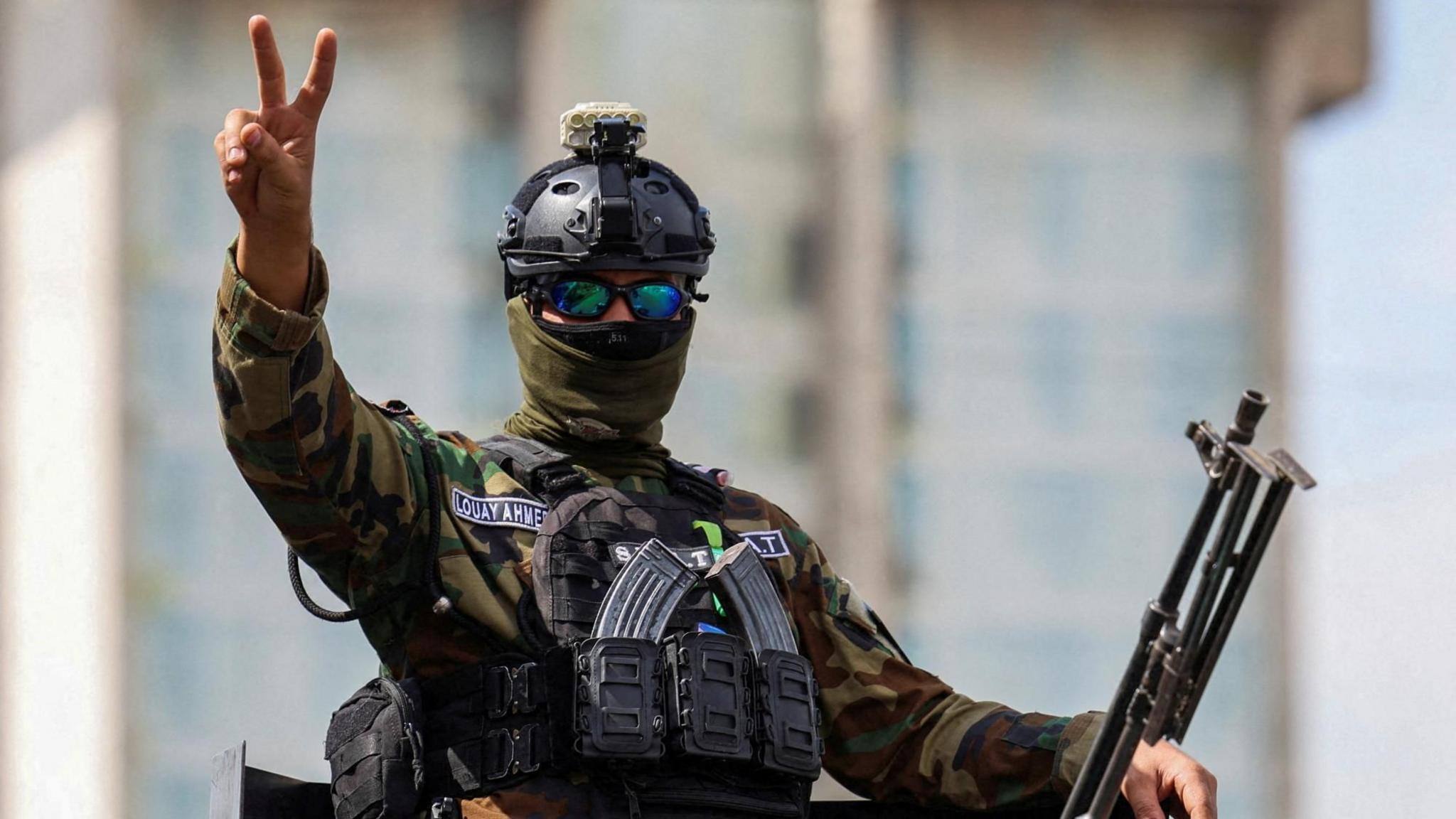
Military experts say an invasion would face huge logistical challenges. Lt‑Gen Christopher Coates explained that both nations share NATO duties, NORAD operations and intelligence, making a direct assault unlikely and likely to start with covert cyber pressure.
Historically, Canada has resisted U.S. expansionist moves, citing the War of 1812 and earlier border skirmishes. Yet the modern alliance has turned into a deep economic and security partnership.
If the U.S. were to move in, analysts warn that Canada would first face a swift technological onslaught, crushing front‑line positions within a week and then resort to asymmetric tactics; outside support from Britain and France would be essential.
The situation has sparked public debate. A Leger poll in January found that over 30% of Canadians believed a U.S. invasion was possible, underscoring lingering mutual mistrust despite shared economic ties.
"Canadian leaders do have hard questions to ask about how closely they want to continue working with the American military," said Matthew Schmidt, a U.S. national security professor, warning that the partnership could become a liability if lines of conflict materialize.
The scenario reminds Canadians of historical tensions and forces policymakers to weigh the comfort of friendship against the reality of national sovereignty.