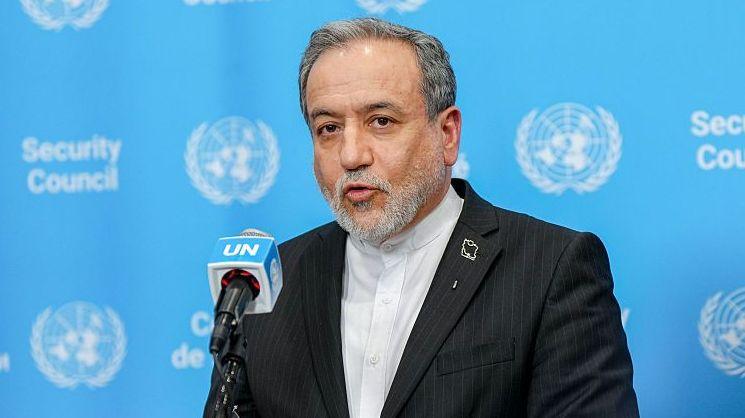
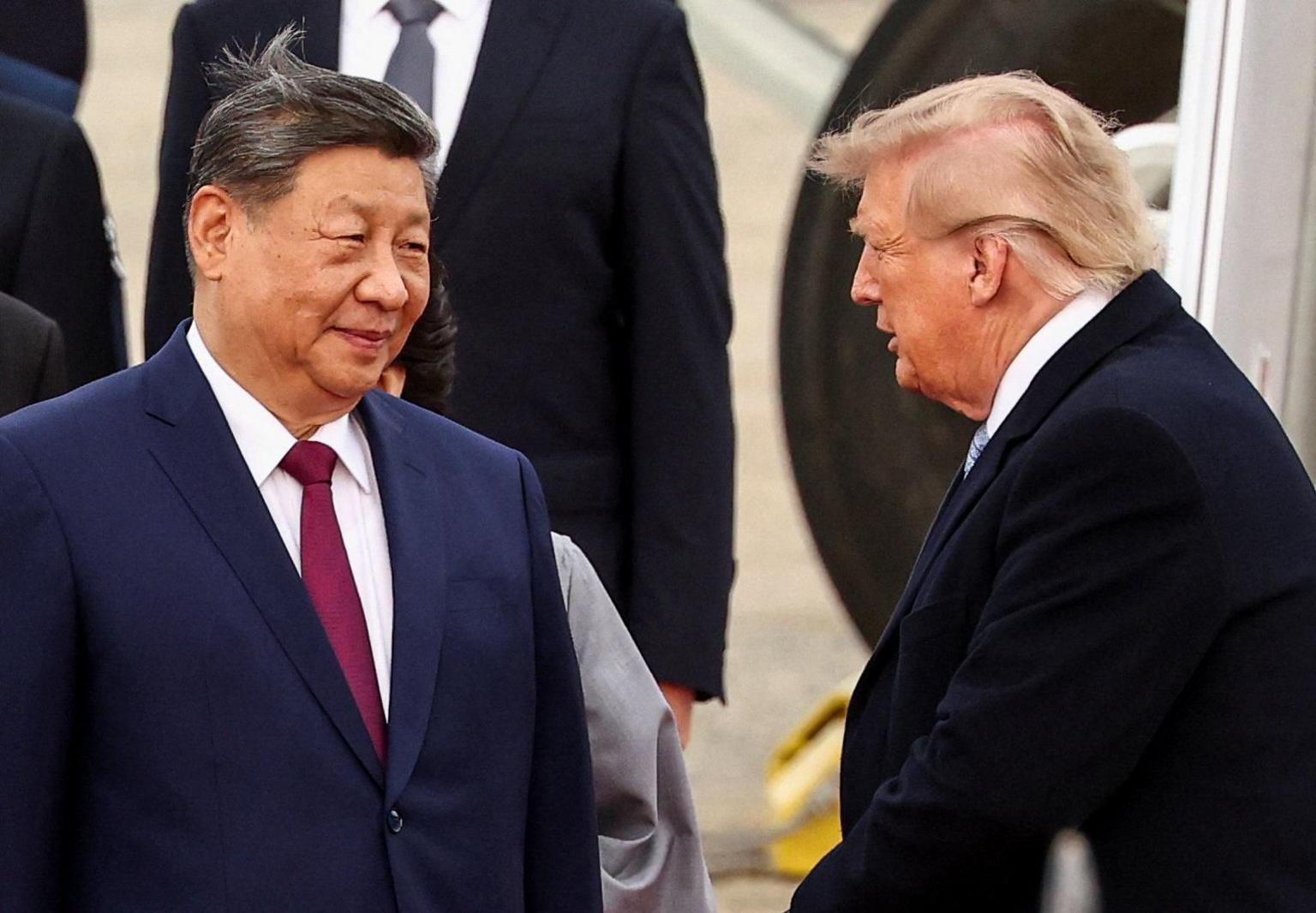
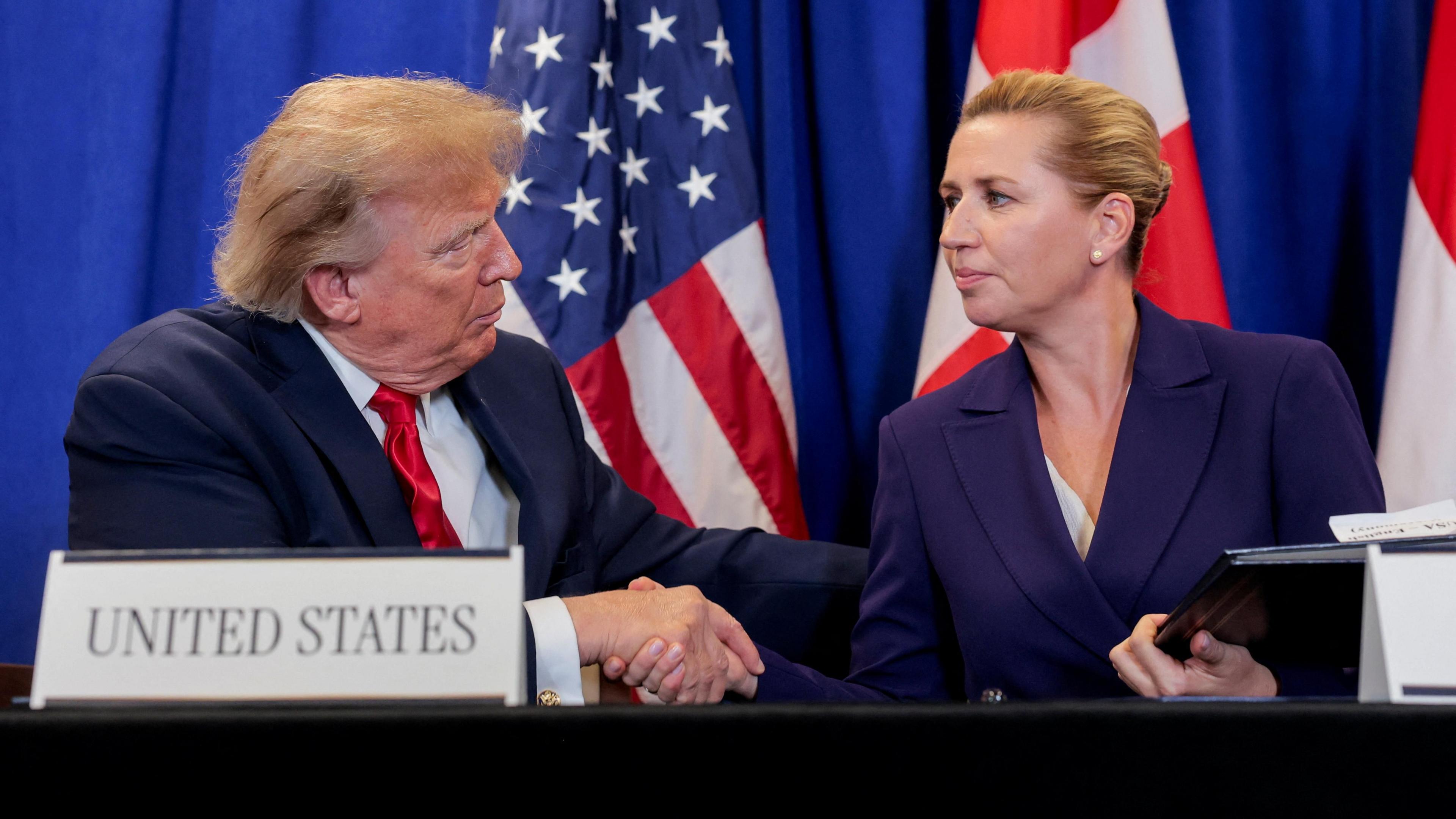
Only a negotiated solution can end the conflict between the US and Iran, Iran’s foreign minister Abbas Araghchi told the world after President Donald Trump publicly rejected the reopening of the Strait of Hormuz – a vital artery for a fifth of global oil transport.
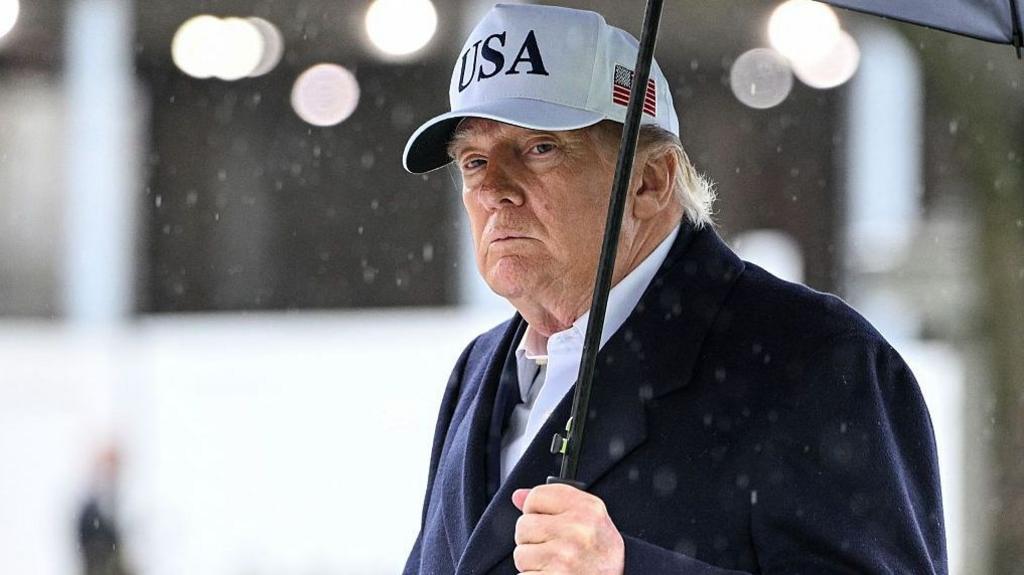
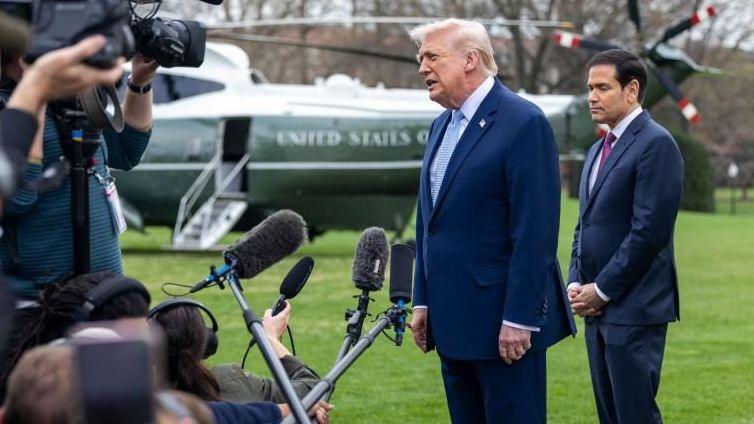
On Saturday at the White House, Trump declared the Iran proposal unacceptable and emphasized that the U.S. had "total control" of the strait. He warned that keeping the channel closed would keep global oil prices high and fuel cost rises steep for consumers.
Araghchi responded on Telegram, acknowledging Trump’s denial but stressing that Tehran would consider a definitive U.S. stance before deciding. He reminded that the conditions for reopening—outlined in a 2023 memorandum of understanding signed in June—remained unchanged.
Iran also raised the issue during negotiations at the UN General Assembly in New York, pushing for a phased implementation of the MOU and an end to hostilities, while warning that the U.S. must not seek to overthrow its government.
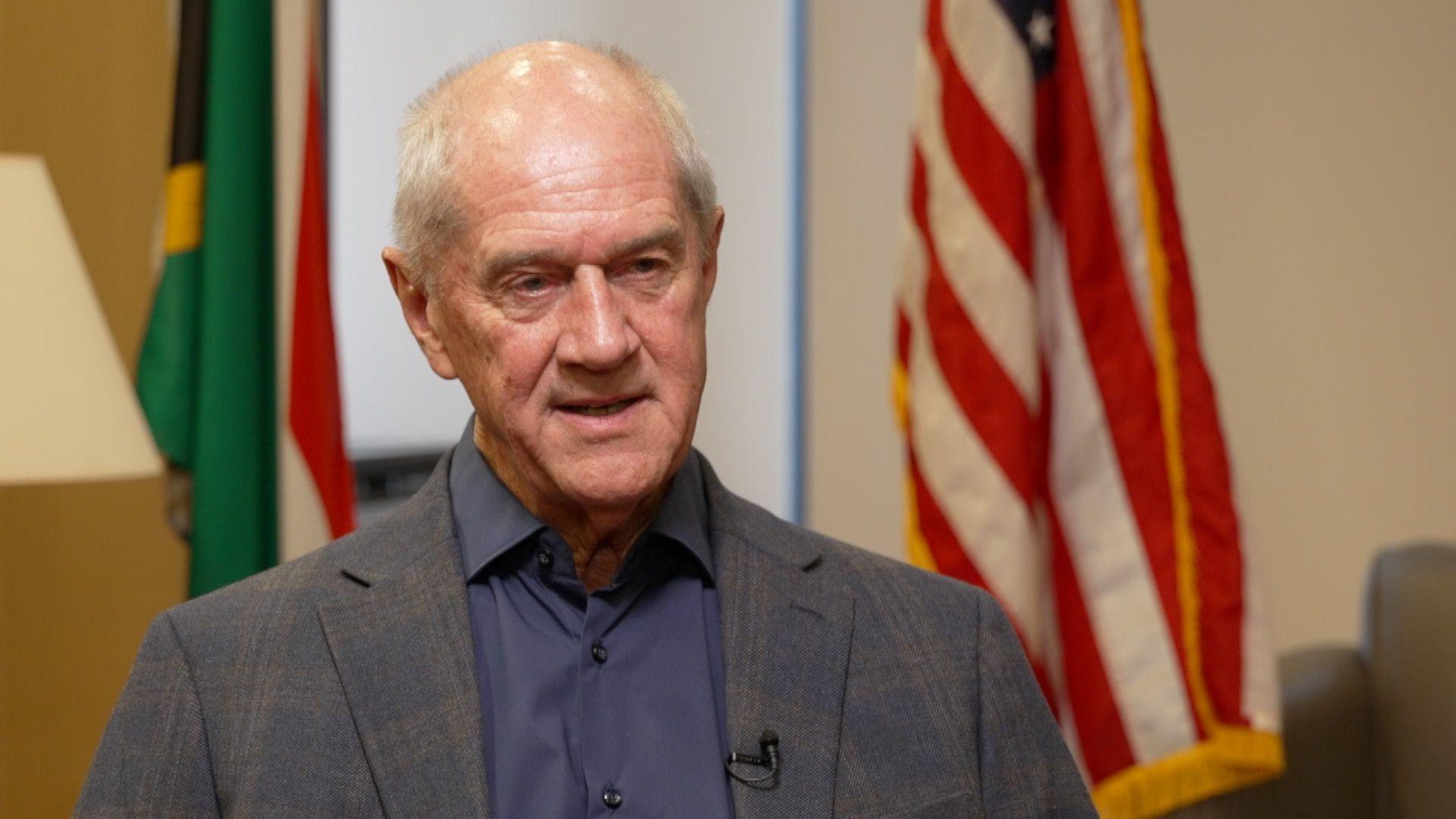
Doubts over the U.S. tight‑rope tactic persist. Ambassador Matthew Whitaker, backed the Trump rejection, calling Iran’s offer a "half measure". Treasury Secretary Scott Bessent warned that the latest sanctions – dubbed "Operation Economic Outcast" – are impacting Iranian commerce, citing flight and banking suspensions by Turkey, Oman and the UAE.
Amid escalating tensions, Oman has positioned itself as a neutral broker, urging all parties to keep channels open. Oman’s foreign minister, Sayyid Badr bin Hamad bin Hamood Albusaidi, urged cooperation with Oman's mission to safeguard navigation through the waterway.