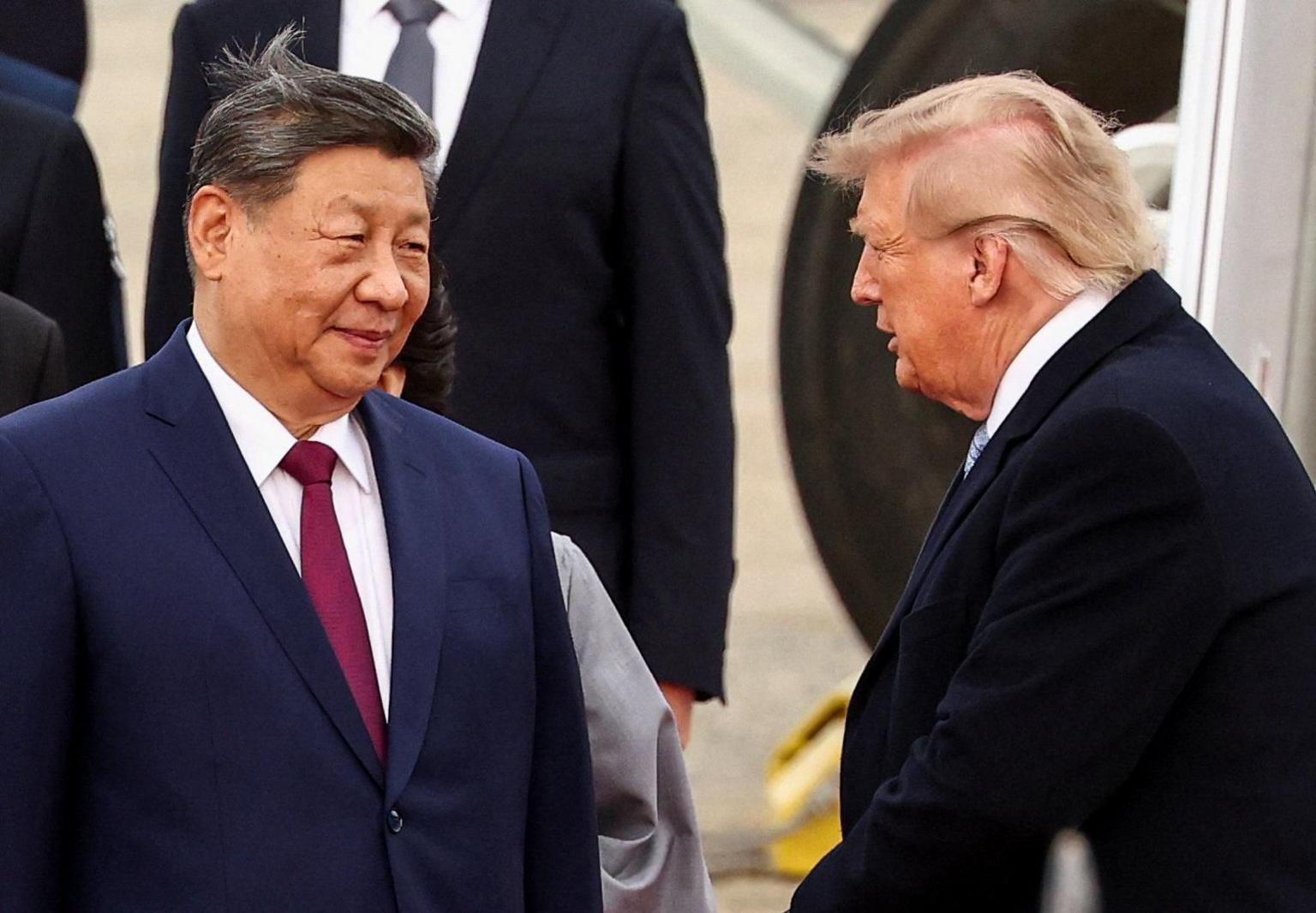
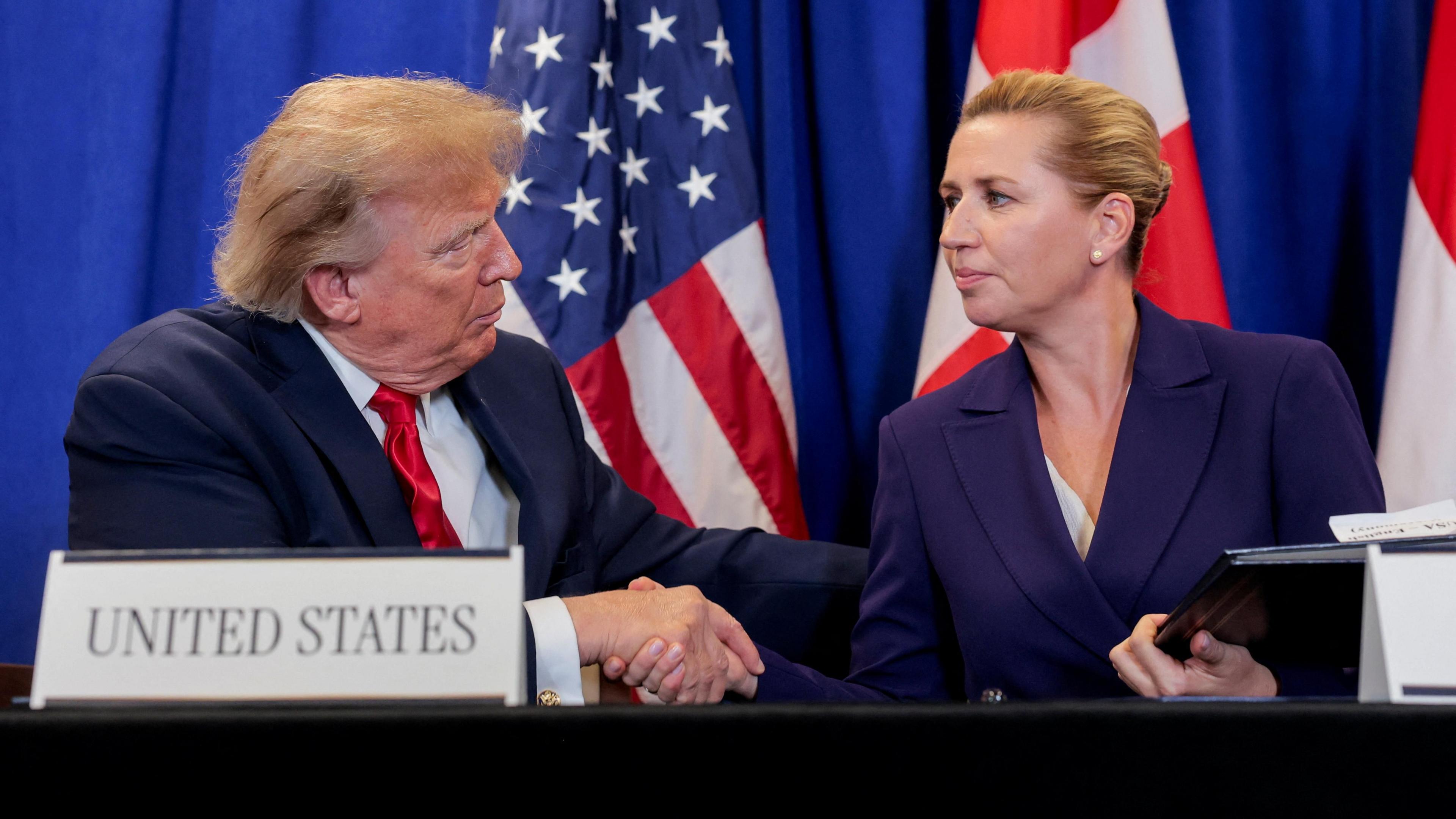
President Donald Trump opened a closed‑door meeting of AI’s brightest minds yesterday, calling it an "extraordinary gathering" that would signal the start of a new era for America’s technology future.
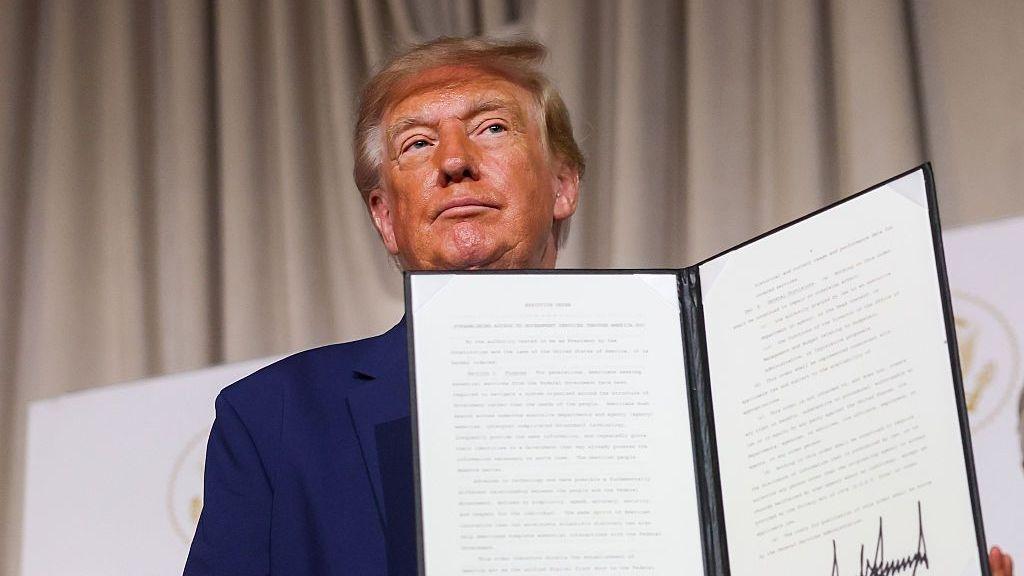
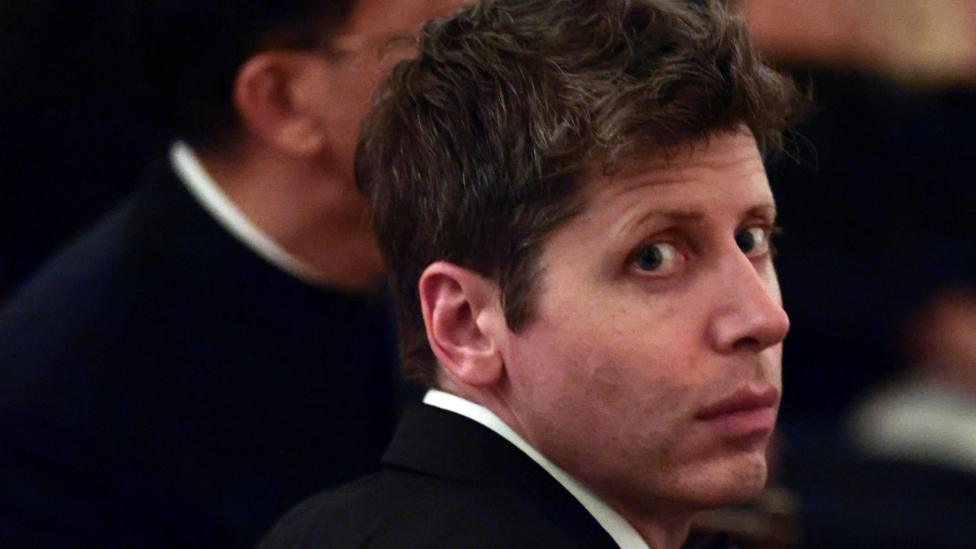
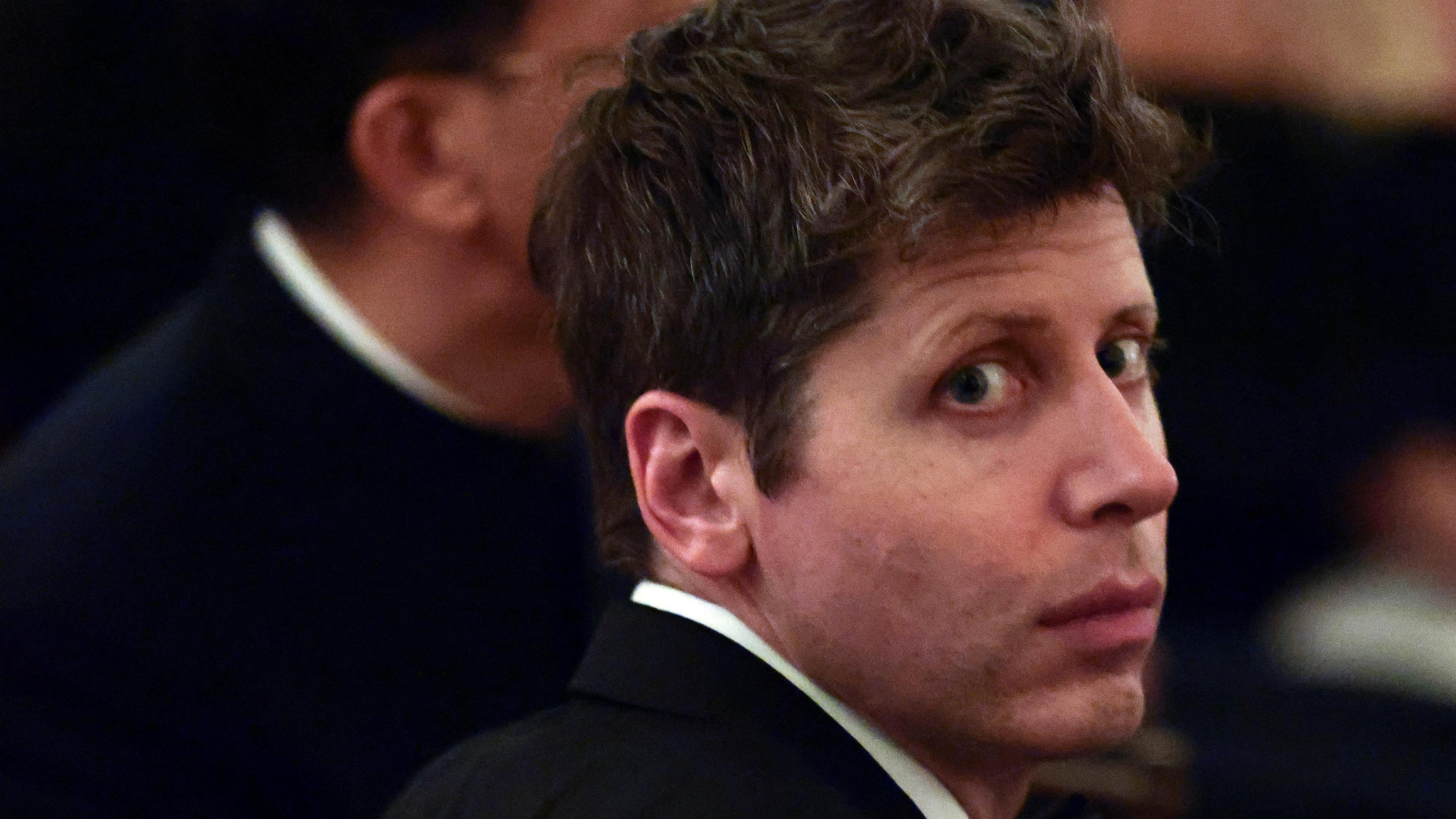
Guests included CEOs of OpenAI, Anthropic, Nvidia, Meta and Google – the key players in the U.S. AI armory. After the brief session, Trump held a 30‑minute televised press conference where he announced that the companies had signed a "morally binding" paper to self‑regulate AI safety.
The pact, which Trump livestreamed on social media, obligates firms to ensure their models operate as intended, promptly identify and fix any mistakes, and cooperate with independent auditors. It also states that companies will guard against illicit access or misuse of their AI systems.
Signing the consent was a symbol of unity in a field that has recently urged tighter regulation and a pause on rapid development. Several tech leaders, such as OpenAI’s Greg Brockman and Anthropic’s Dario Amodei, have long highlighted potential harms and the need for industry oversight.
In addition to the pact, Trump announced that he will establish a board to oversee AI safety in the federal government – though he has yet to disclose its composition.
Trump’s remarks came alongside a bold new branding strategy: he ordered that the phrase "Super Intelligence" replace "artificial intelligence" across all executive‑branch communications. The former president argued that “AI sounds fake” and that a new label would better capture the advanced capabilities of the technology.
Industry leaders have already begun to use the term. Zuckerberg posted that "Super Intelligence will create significant opportunities for people and businesses." Musk echoed the sentiment in a recent clip shown at the summit.
Outside the conference room, Trump also reaffirmed his support for expanding data‑center infrastructure – the backbone of AI computation. He dismissed concerns over community impact, claiming such facilities bring jobs and prosperity, and warned that opponents who oppose data‑centres are essentially choosing to stay "backwards and poor."
While the summit sparked immediate enthusiasm among tech executives, critics caution that the Self‑Regulation Pact may provide insufficient safeguards and that the rebranding to Super Intelligence could downplay the urgency of regulatory measures.