New AI Dialogue and Communication Channel
Beijing and Washington agreed to launch a joint discussion on artificial intelligence, with a follow‑up meeting scheduled for the end of November. The pact signals recognition that AI is a strategic technology that both superpowers need to regulate to avoid unintended clashes.
Extended Trade Truce
China confirmed the extension of the trade truce until 10 January, extending the two‑month reprieve that allows leaders to convene at future international summits. The agreement brings lower tariffs on $30 billion of Chinese goods entering the United States, covering items from toys to small appliances, and includes a pledge from the United States to purchase at least 10 million metric tons of coal annually from China in 2027 and 2028.
Taiwan’s Absence
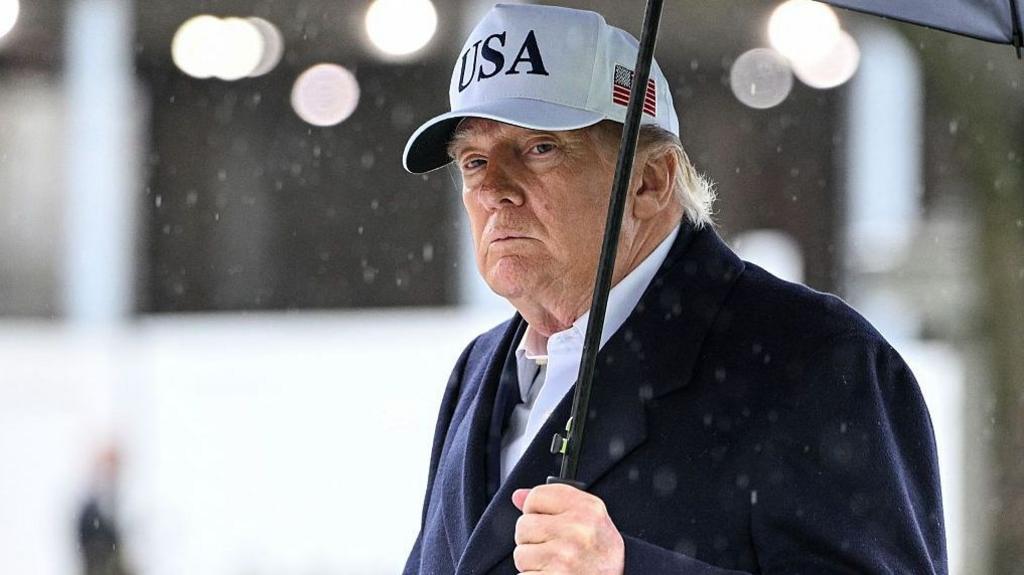
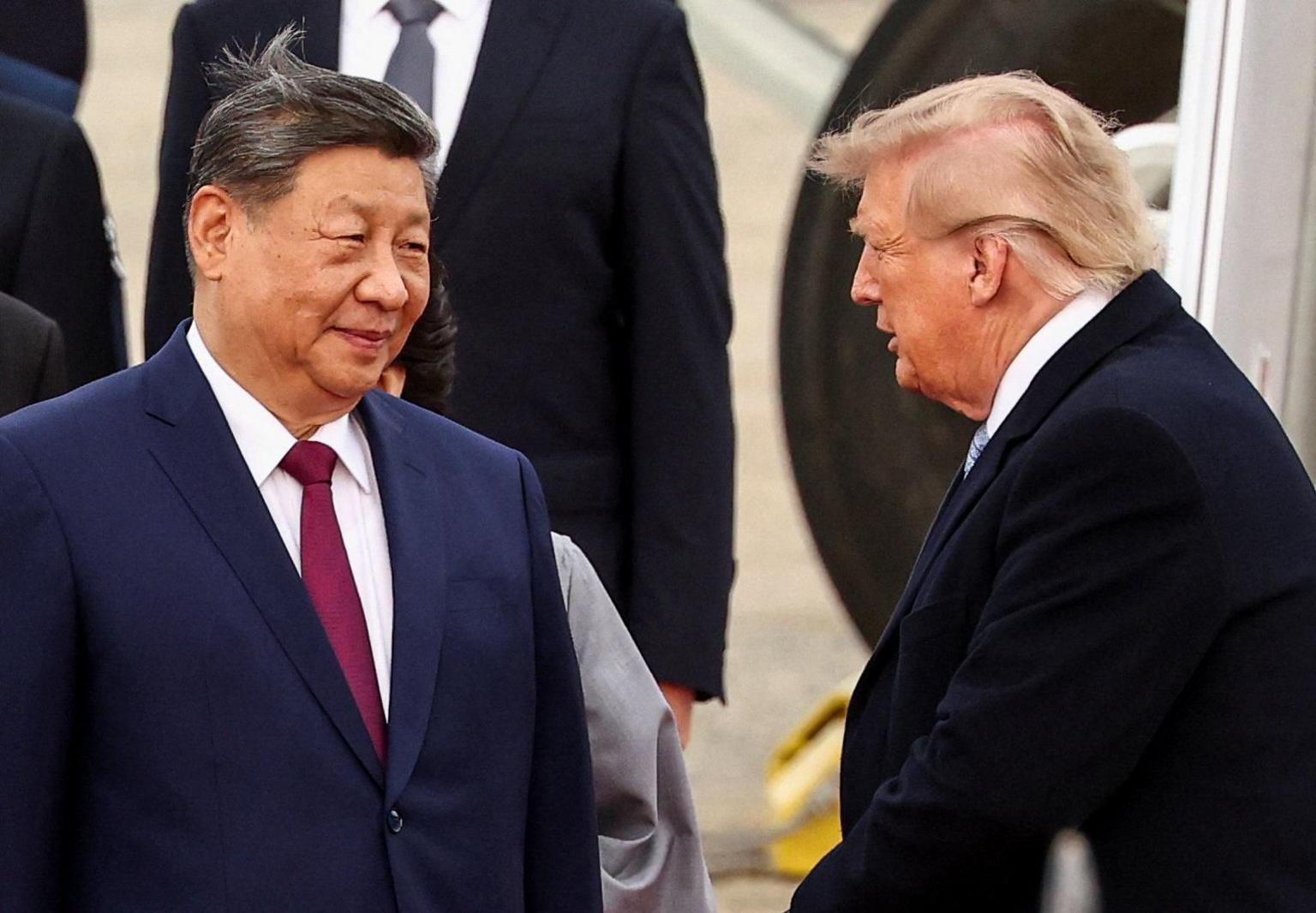
While Xi Jr. pressed Washington to confront the idea of Taiwanese independence, the U.S. fact sheet made no mention of the island. President Trump informed reporters that the discussion on Taiwan was limited, a silence that underscores the fragile U.S. approach to the sensitive issue.
Opening Investment Doors
China announced it will allow more foreign financial firms, including U.S.‑backed banks, investment companies and insurers, to apply for business licensing, though approvals remain subject to Chinese law. The rhetoric, combined with a proposed increase in air traffic, suggests a tentative step toward broader economic engagement, yet existing regulatory hurdles and travel advisories keep the momentum uneven.
Take‑away
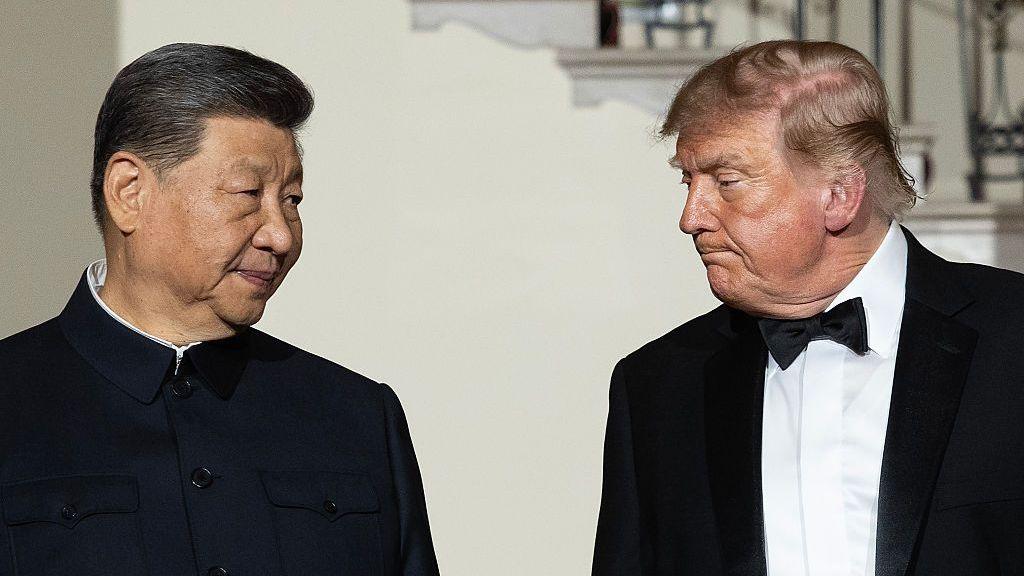
Overall, the summit produced more dialogue than decisive action. Key topics such as advanced technology and Taiwan were left unresolved, and while trade concessions and new communication channels were promised, the unresolved tensions that define US‑China relations persist.