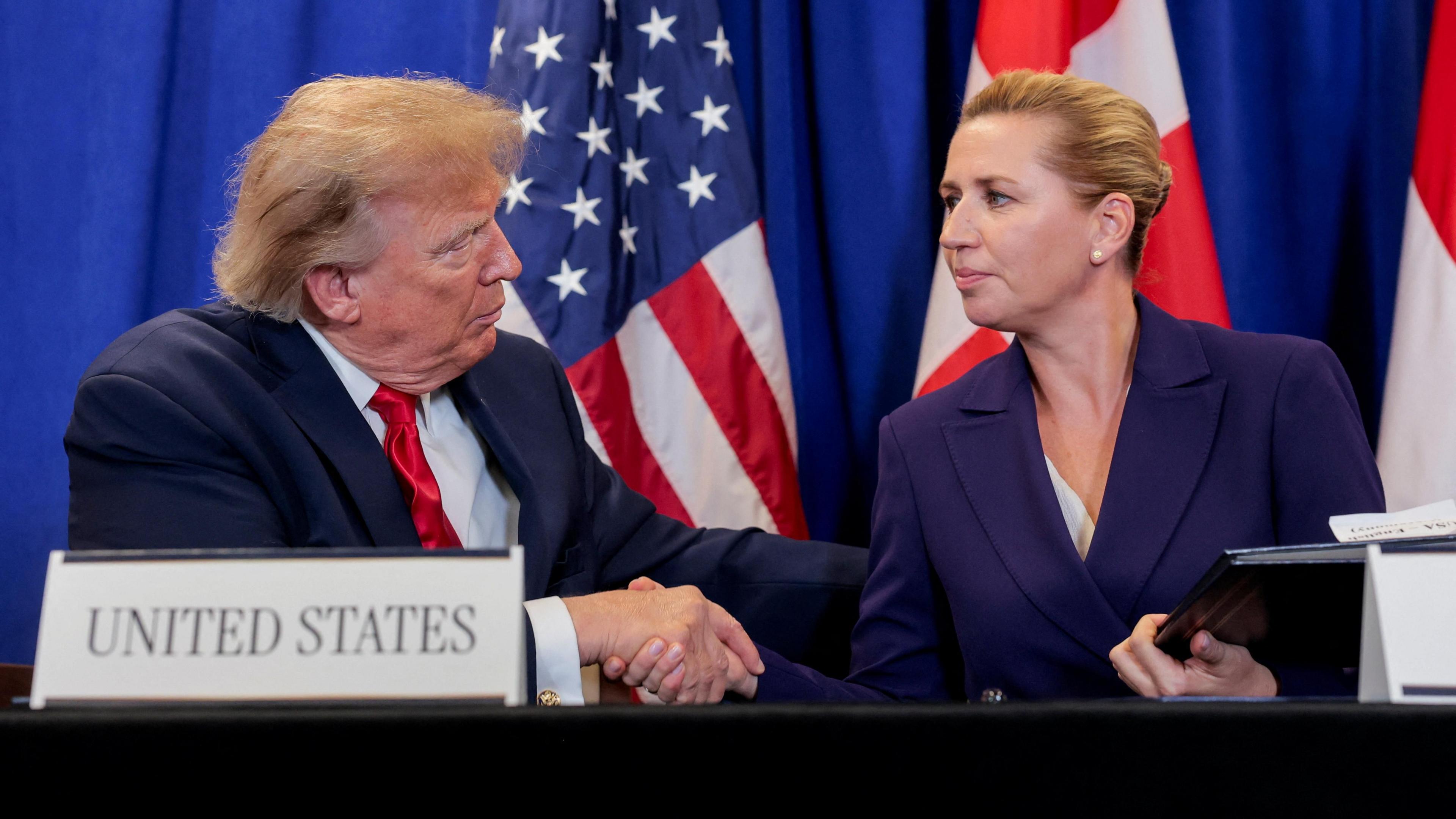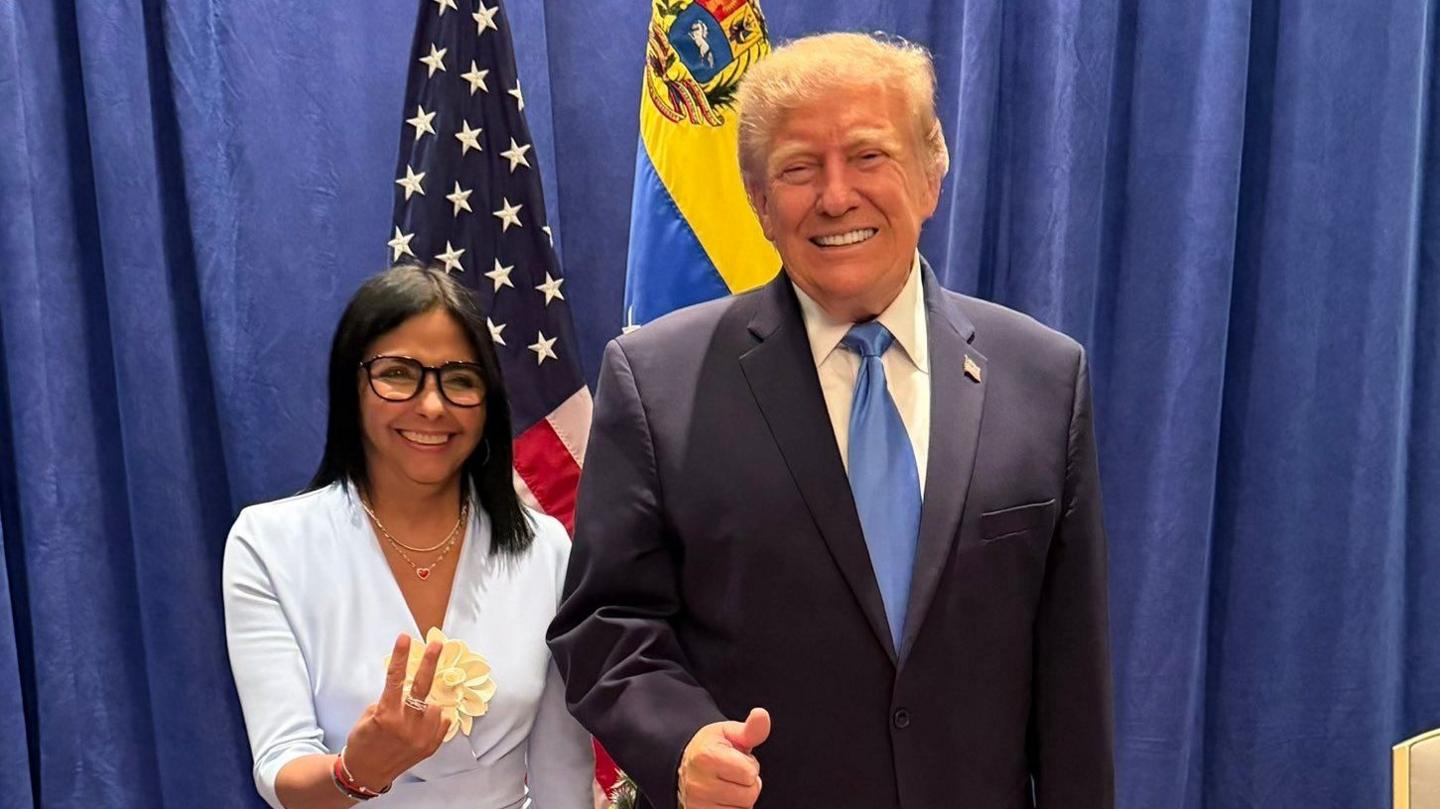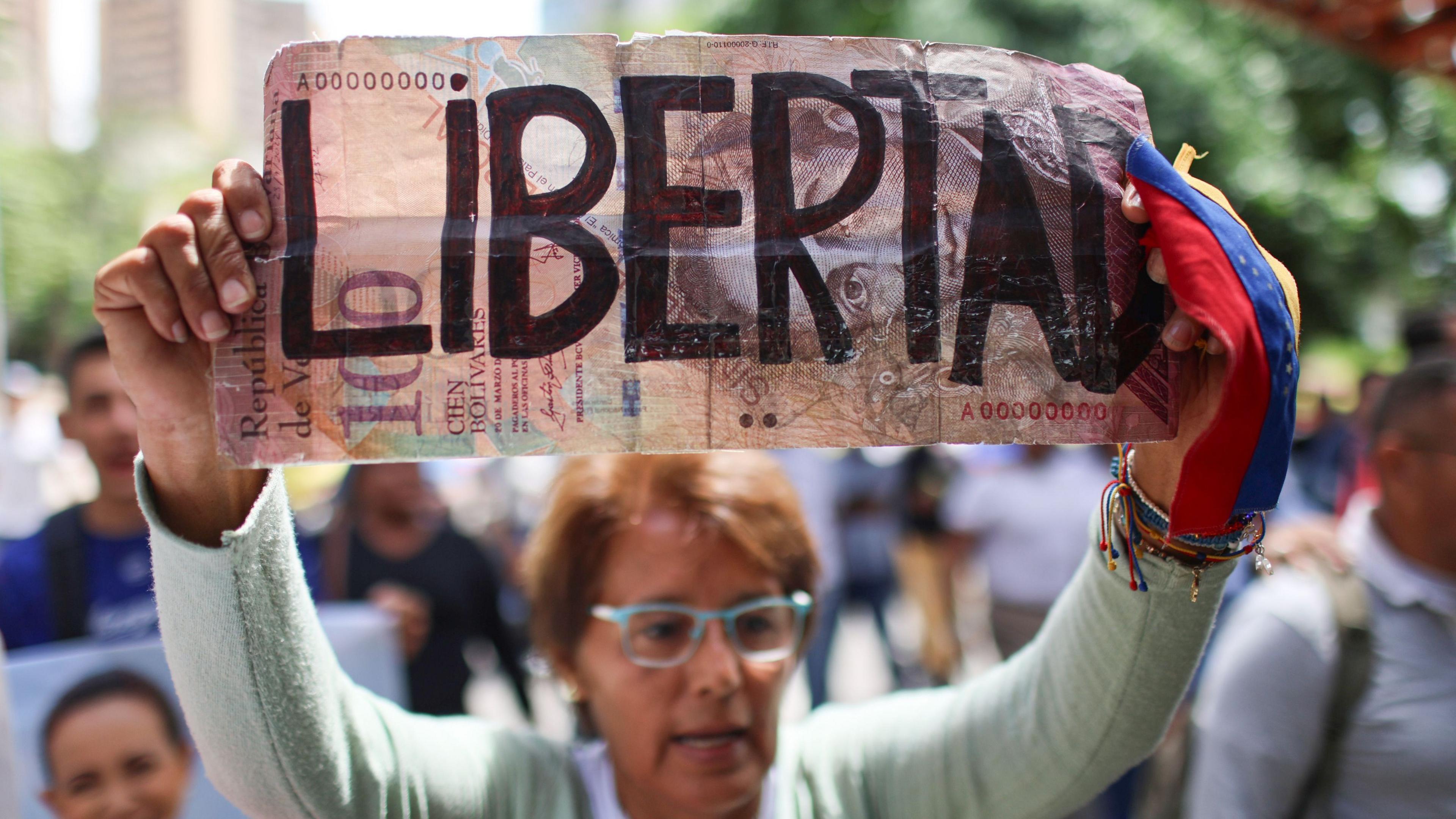

Venezuelan authorities released a number of political detainees early Saturday morning, hours after interim president Delcy Rodríguez met U.S. President Donald Trump in New York. The freed prisoners include former opposition activist Wilder Vasquez—sentenced in 2018 to five years for alleged plots against ex‑President Nicolás Maduro—along with long‑time prisoners Miguel Castillo Cedeño, held since 2019, and Frank Cabañas, who has spent nine years behind bars after a police‑officer death investigation.
The sudden wave comes after the interim government previously released hundreds of prisoners as part of a reconciliation effort following Maduro’s takeover. Rights groups say the strategy slowed and was slated to end in April when Rodríguez announced the scheme was “coming to an end.” The current batch of releases marks a short‑term resurgence of the programme.
Foro Penal’s vice‑president Gonzalo Himiob said that “a significant number” of political prisoners were freed, citing door‑to‑door notifications from several detention centres. He added that the continuation of the releases would help restore public confidence in the transitional administration.
Opposition leaders, however, view the meeting as a snub to their calls for immediate, free elections that the U.S. had previously endorsed. Former oil executive Pedro Mario Burelli described the U.S. leaders as “shameless puppet” and criticised Washington’s selective oversight, calling the situation “a great triumph of the diplomacy of peace” for those seeking stability.
Venezuela’s last contested election in 2024 resulted in the 70‑percent touted victory for Maduro, a result most opposition figures dismissed as rigged. The UN General Assembly addressed the crisis, with Rodríguez urging that elections would eventually take place, but without a definite timetable.
The government’s silence on the cause of the latest prisoner releases—whether they stem from the Trump‑Rodríguez talks or simply a policy option—has only intensified opposition concerns. Foro Penal pointed out that with fewer than half of the nation’s political prisoners freed, the scheme’s termination creates uncertainty for future reforms.
As protesters outside Caracas’s Plaza Libertad carry signs demanding “maduro out” and “free elections,” the freed prisoners’ return to homes could become a symbolic gesture in a country desperate for political renewal.