Warning: this story contains content which some readers might find distressing
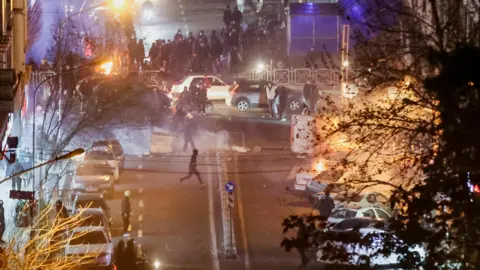
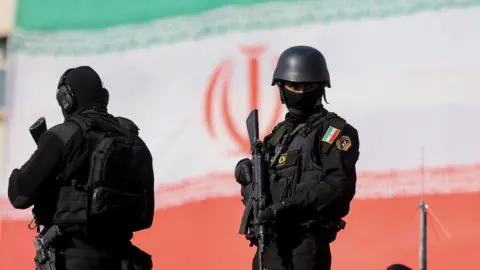
Distressing new videos have emerged from a mortuary in Tehran showing rows of bodies, blood-soaked floors, and crowds of people searching for loved ones following a deadly government crackdown on protesters in Iran.
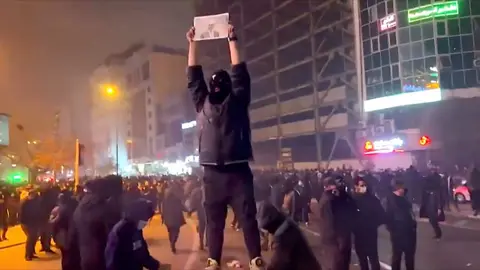
The videos analyzed by BBC Verify and BBC Persian contain explicit imagery illustrating the brutal nature of the government's retaliation since the unrest began on December 28. Forensic examination shows nearly 200 bodies throughout the mortuary complex, many with visible wounds, including one victim as young as 16.
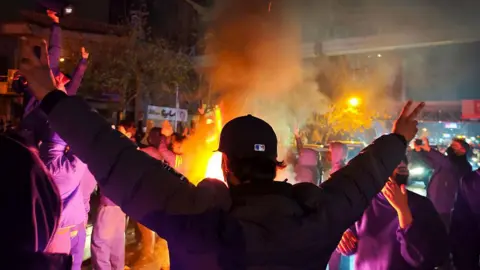
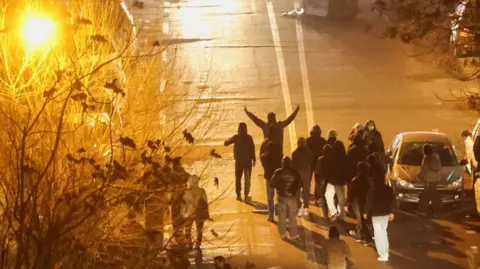
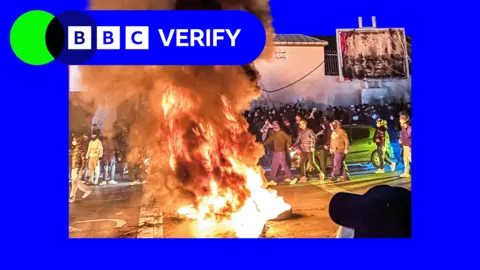
Anti-government demonstrations have reportedly spread to over 68 towns and cities, though the actual number is likely higher. An internet blackout imposed by the government has left over 90 million Iranians nearly isolated from the outside world.
The exact number of fatalities is still unclear. The US-based Human Rights Activists News Agency (HRANA) estimates over 2,500 have been killed, while Iranian officials claim a lesser count, attributing the violence to 'terrorists.'
The footage was posted by a US-based Iranian social media activist named Vahid, who stated it was filmed within the Kahrizak Forensic Medical Centre on January 10. The man who recorded it traveled nearly 1,000 km to access the internet due to the prevailing blackout.
Inside the mortuary, rows of body bags are visible, with some revealing victims' faces and injuries. The videos depict desperate families engaging with officials, attempting to identify the deceased, amidst cries of mourning echoing throughout the premises.
The men filming narrated the decay surrounding them, one stating, Some of our best people have been killed, as footage captures numerous bodies with visible wounds scattered throughout the area.
According to HRANA, fatalities now include children and individuals associated with both the government and the security forces. Iranian state TV suggested that many of these victims were passersby with no connection to the protests, refuting claims made by various international media.
Most international outlets like the BBC face operational restrictions within Iran, complicating efforts to report accurately without relying on user-generated footage depicting this grim reality.
Additional reporting by Roja Assadi and Richard Irvine-Brown