In brief
President Trump's recent declaration of a 25% tariff on countries trading with Iran could significantly reshape global trade relations, particularly with China, which is Iran's largest partner. This article delves into Trump's statements, Iran's key trading partners, and the potential impacts on the U.S. economy, international diplomacy, and Iran's already struggling economy.
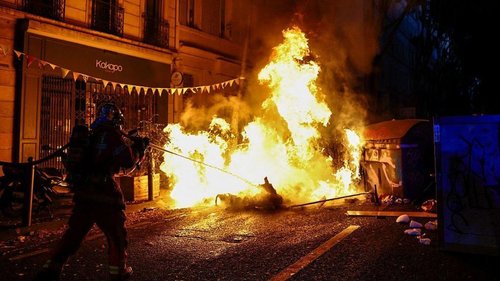
US President Donald Trump has announced that any country doing business with Iran will face a 25% tariff on trade with the United States. This statement comes amid a severe crackdown on protests within Iran, leading to thousands of casualties.
Trump, who has leveraged tariffs as a diplomatic tool before, made his announcement on Monday via Truth Social, stating, Effective immediately, any country doing business with the Islamic Republic of Iran will pay a tariff of 25% on any and all business being done with the United States of America. This order is final and conclusive. Thank you for your attention to this matter! However, specifics surrounding the implementation of this tariff remain unclear.
Countries Trading with Iran
China, Iraq, the United Arab Emirates, and Turkey are among Iran's major trading partners, with China topping the list by importing over $14 billion of Iranian goods in the year to October 2025. Iran's economy heavily relies on oil exports, with fuel-related products making up the vast majority of its exports.
Potential Tariff Implementation Challenges
The practicalities of enforcing the new tariff remain vague, especially regarding which countries it will apply to and whether it will stack on top of existing tariffs imposed by the Trump administration. Furthermore, the U.S. has yet to clarify the legal basis for this new measure, as previous tariffs were under the International Emergency Economic Powers Act.
Impact on US-China Relations
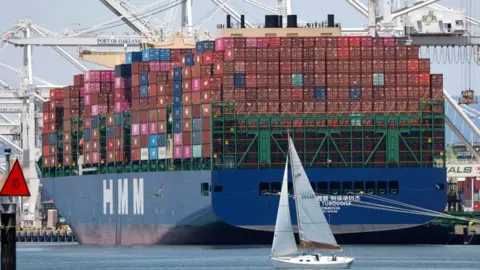
This new tariff could exacerbate existing tensions between the U.S. and China, as Chinese goods might face an additional levy on top of an average current tariff rate of 30.8%. China has indicated that it would counteract such tariffs, given its critical role in global supply chains.
The Current State of Iran's Economy
Years of economic mismanagement and international sanctions have devastated Iran's economy, which relies heavily on oil. The nation's 92 million citizens are experiencing a rising cost of living amid high inflation, currently sitting at 48.4%. Recent protests highlight dissatisfaction over government policies, including restrictions that have lowered employment rates.
The expected repercussions of these new tariffs could further destabilize Iran's economy, as it struggles to manage high inflation and critical shortages of basic goods.