In brief
After years of frustration over economic hardship and political repression, Iranians are taking to the streets in unprecedented numbers. The regime is responding with severe crackdowns and a communications blackout. The unrest is fueled by both internal and external factors, including tensions with the US, which complicate the government's ability to quell dissent. As voices for reform and revolution resonate around the world, the situation in Iran remains fragile and unpredictable.
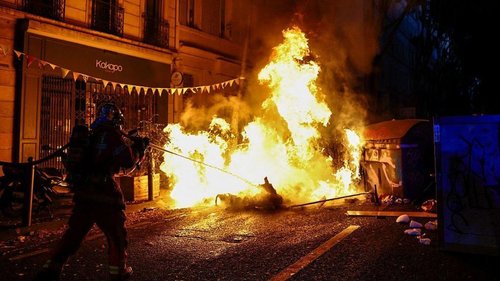
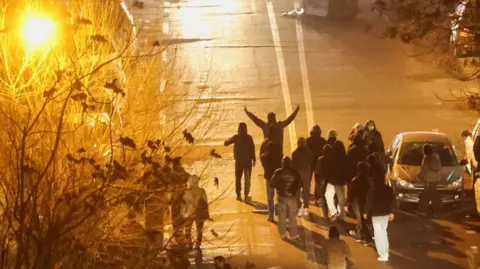
Iran's rulers are confronting their most serious challenge since their own 1979 revolution. They're now countering on an unprecedented scale - a ferocious security crackdown and near total internet shutdown has been unleashed on a scale unseen in previous crises.
Some of the streets once engulfed by a roar of anger against the regime are now starting to go silent. On Friday it was extremely crowded - the crowd was unbelievable - and there was a lot of shooting. Then Saturday night it became much, much quieter, a resident of Tehran told BBC Persian.
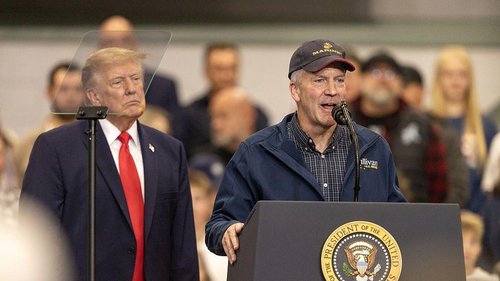
This time, an internal upheaval is also compounded by an external threat, with President Trump's repeated warnings of military action coming seven months after the US carried out strikes on key nuclear facilities during a 12-day war between Iran and Israel, which left the regime weakened.
Trump now says Tehran has called to go back to the negotiating table. However, Iran doesn't have a good hand: Trump indicates he may still take action before meeting, and discussions won't ease the unrest. Furthermore, Iran won't capitulate to the US's maximalist demands, including zero nuclear enrichment, crossing red lines intrinsic to its strategic doctrine.
Despite the mounting pressures, there’s no indication that Iran's leaders are changing course. Vali Nasr from the Johns Hopkins School of Advanced International Studies observes, Their inclination is to clamp down, to survive this moment, and then to figure out where they go from here.” The government’s narrative points blame at foreign enemies, particularly Israel and the US, but internal dissatisfaction remains palpable.
Victims of the recent unrest have been reported in alarming numbers, with hospitals overwhelmed and calls for reassurance filtering through from Tehran. As the regime employs narratives of 'vandals' and foreign interference, the need for reform versus revolution hangs heavily in the air.
The unrest began with traders protesting against currency collapse and spiraled into broader demands for economic and political reform. As the regime attempts to regain control amidst chants for change, the fear is prevalent: how far will the government's crackdown go, and what will be the cost to the citizens?
With voices both for peace and military intervention ringing louder, the future of Iran remains steeped in uncertainty.