In brief
The Trump administration's intensified immigration enforcement has led to controversial arrests at private homes, raising legal questions surrounding the authority of ICE agents. Administrative warrants, which do not allow forced entry, have become a focal point in confrontations nationwide, especially in cities like Minneapolis. Legal experts warn that misunderstandings about these warrants could lead to unlawful arrests, while advocacy groups push for public awareness regarding immigrants’ rights during such encounters.
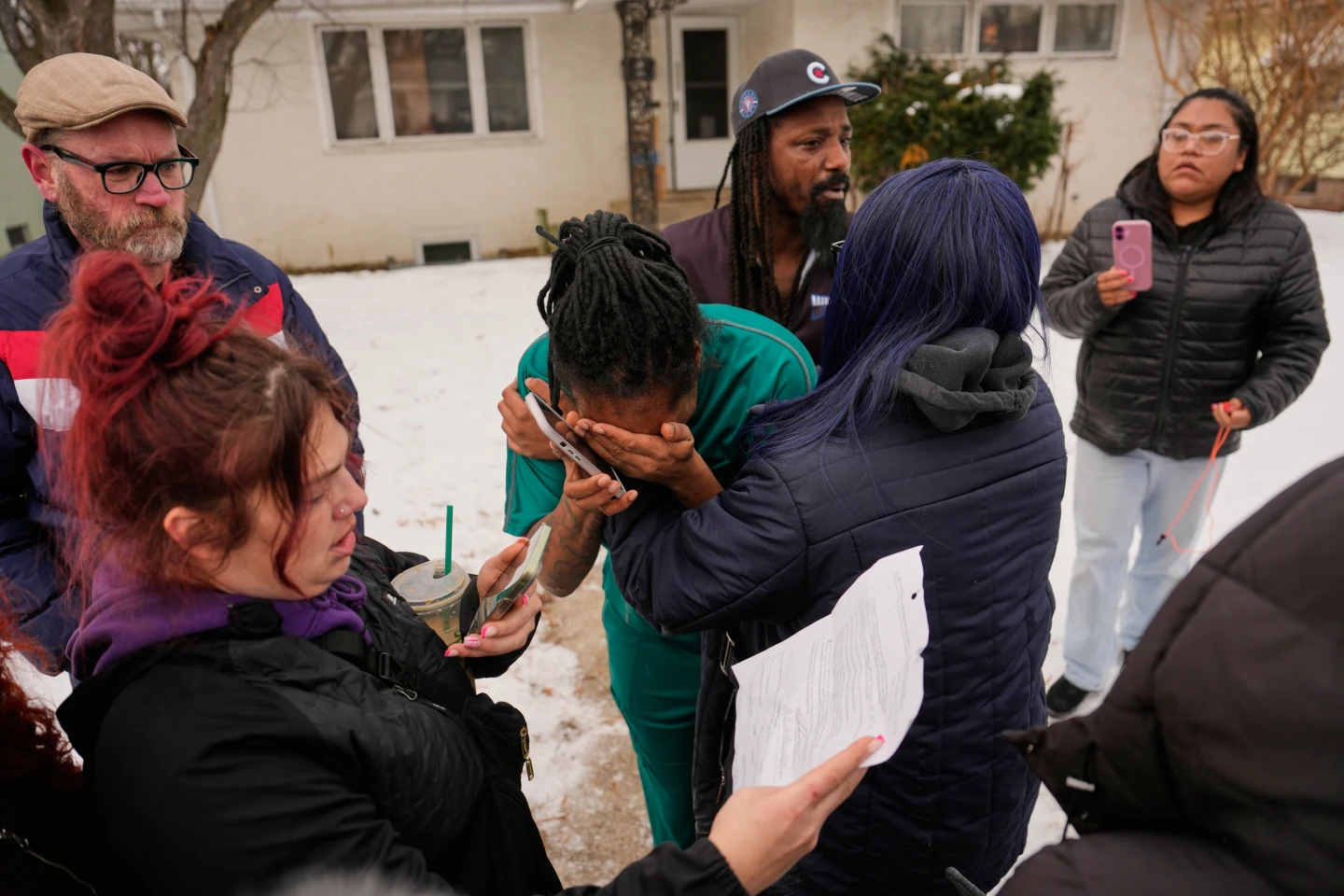
With the Trump administration's increased focus on immigration enforcement across the country, a series of high-profile arrests, often caught on camera, have spurred discussions about the legal boundaries surrounding such actions. Central to this debate is a critical legal question: When are federal immigration agents entitled to enter private property to conduct an arrest?This issue has gained prominence in areas like Minneapolis, where federal agents are heavily present amid protests and ongoing conflicts. Legal experts highlight a significant distinction in the types of warrants used for immigration enforcement, with many arrests based on administrative warrants, which do not permit forced entry onto private properties without consent. Only judicial warrants issued by a court grant that authority to law enforcement.Recent events in Minneapolis illustrate these tensions, particularly during a controversial raid by immigration officers at a private residence using an administrative warrant. Officials have faced criticism for potential violations of legal procedures surrounding such arrests, raising concerns about the implications of unlawful entries and the accountability of agents involved.Advocacy efforts have emerged in response, emphasizing the need for comprehensive knowledge of immigrants’ rights during ICE encounters. Local organizations are actively promoting awareness campaigns, instructing individuals to verify warrants before allowing entry.The clash between immigration enforcement practices and the legal rights of individuals continues to evolve, creating a complex landscape for both enforcement agencies and the communities impacted by their actions.