In brief
In response to a government internet shutdown, Starlink has reportedly offered free access for users in Iran, becoming a critical communication tool amid protests for political change. However, individuals risk severe penalties for utilizing the service as authorities crackdown on opposition.
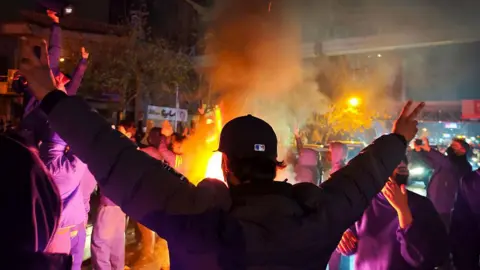
Starlink has reportedly waived monthly subscription payments for users inside Iran after its government shut down the internet last Thursday - cutting off millions of people from their families, livelihoods and access to information, during a deadly crackdown on protests.
The satellite technology has become a vital communications lifeline for some of those in the country trying to tell the outside world what has been happening on the ground in recent days.
Two people in Iran told BBC Persian their device was running on Tuesday night even though they had not been keeping up with subscription payments. The director of an organisation that helps Iranians get online also told BBC Persian that Starlink had been made free.
The satellite technology, which belongs to Elon Musk's SpaceX company, provides internet to tens of thousands of people in Iran, despite the fact it is illegal there. Since the internet was shut down, it has become one of the last, if not the last, remaining channels for Iranians to communicate with the outside world.
The BBC has approached SpaceX to confirm it has waived the fee, but they are yet to respond.
Using the service in Iran carries a punishment of up to two years in prison and authorities have reportedly been searching for Starlink dishes to stop people from connecting to the internet.
They're going onto rooftops and checking the surrounding buildings, says Parsa - not his real name, who spoke to BBC Persian using a Starlink connection.
What people need to know is that the government is searching areas where a lot of footage has come out, so they need to be even more cautious, he says.
The device operates like a mobile phone mast in space, using a constellation of satellites to communicate with small dishes on the ground with a built-in WiFi router.
But the device is costly and beyond the means of many in Iran - so making it free may lead to its wider use.
Speaking to Al Jazeera TV on Monday, Iran's Foreign Minister Abbas Araghchi stated the internet had been cut off after we confronted terrorist operations and realised orders were coming from outside the country.
Human rights groups have condemned the blanket blackout as an abuse of power with one group confirming the killing of over 2,400 protesters during the unrest, although these numbers are believed to be much higher.
Despite the dangers, Starlink has become indispensable for many Iranians communicating what is happening inside the country to the rest of the world.
However, users face threats of government surveillance, including physical searches for Starlink dishes. A user who traveled almost 1,000km to send video evidence of a forensics center's harrowing conditions highlighted the lengths to which people are going to share truths from within the borders.
The Iranian government aims to control the narrative by limiting what information gets out, making Starlink even more crucial for those on the ground seeking to expose the realities of the unrest.