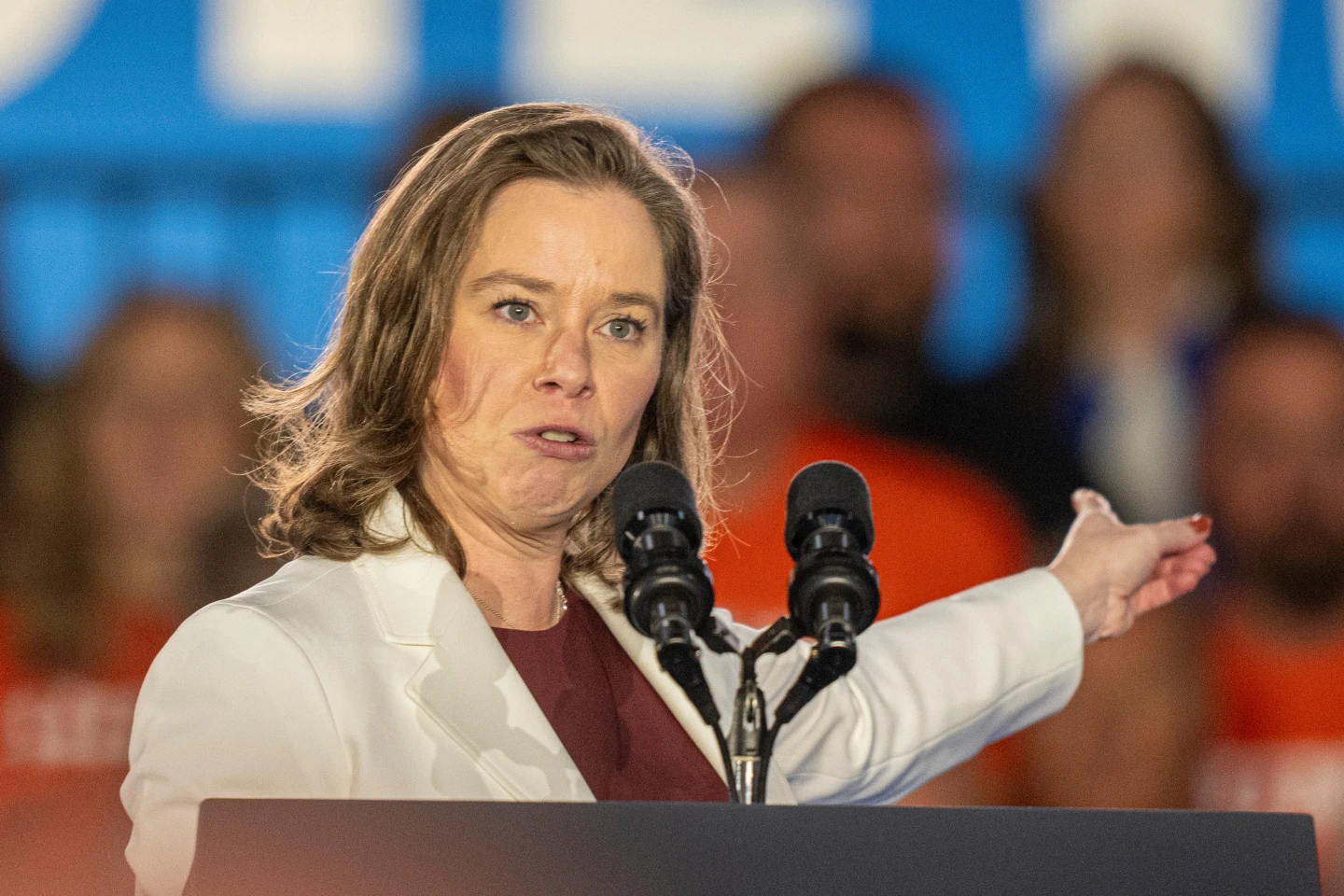
MADISON, Wis. — A bold proposal by Wisconsin's Democratic Lt. Governor Sara Rodriguez to ban federal immigration enforcement actions around sensitive locations has prompted the state's Governor, Tony Evers, to question its feasibility. Rodriguez's plan aims to restrict these activities near courthouses, hospitals, schools, and places of worship, which she believes could protect vulnerable communities.
Governor Evers addressed the proposal during a recent news briefing, stating, “I’m not sure we have the ability to do that,” expressing concerns about potential pushback from the current presidential administration. Rodriguez, who is running for governor after Evers announced he would not seek a third term, designed her proposal following a tragic incident in Minnesota where an ICE officer fatally shot Renee Good.
“No one should be afraid to drop off their kids at school, seek medical care, go to court, or attend worship because enforcement actions are happening without clear rules or accountability,” Rodriguez asserted, highlighting the emotional and psychological toll such operations can have.
Despite the supportive response from some Democratic circles, Evers emphasized the need for practical solutions. He suggested that outright bans might escalate tensions with federal enforcement agencies, stating, “I think banning things absolutely will ramp up the actions of our folks in Washington, D.C.” Rodriguez's proposal aligns with strategies in other Democratic states, aiming to change how ICE operates within their jurisdictions.
In Wisconsin, Rodriguez is also advocating for comprehensive identification policies for ICE agents, demanding they wear body cameras while conducting enforcement activities. As this debate unfolds, the state's policy could become a significant focal point in the upcoming gubernatorial race as well as in wider discussions about immigration on a national level.