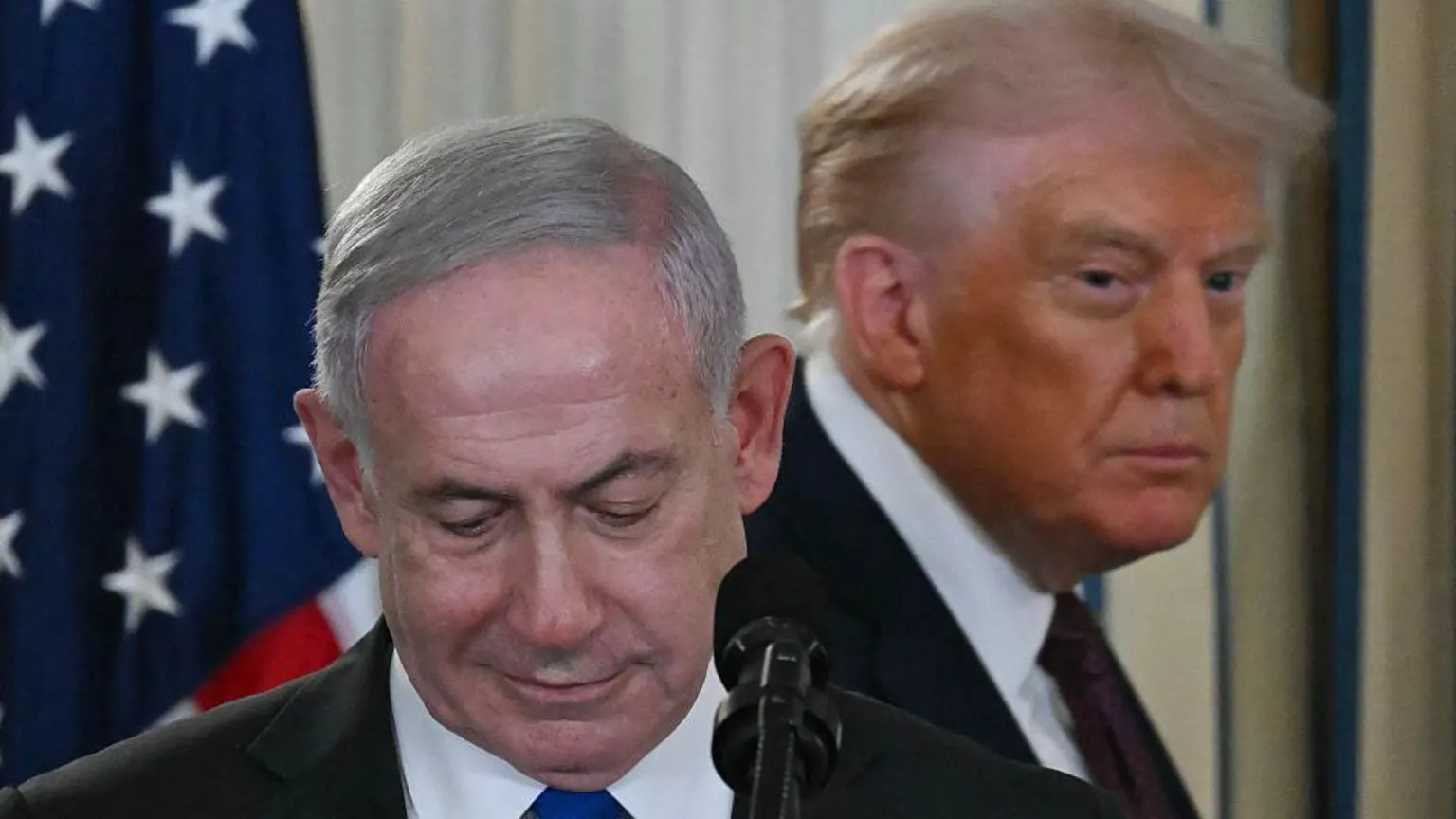
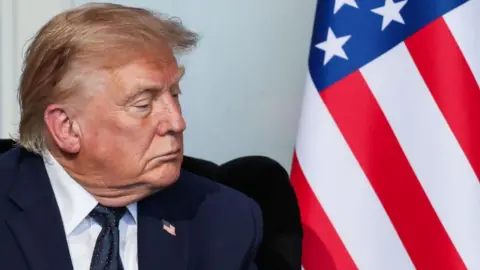
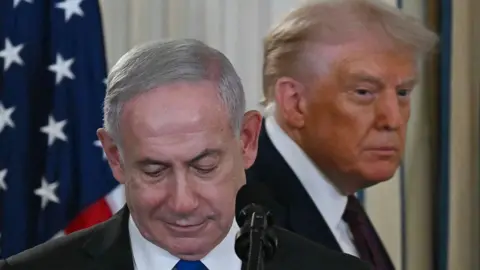
Taiwan has insisted it is a sovereign, independent nation, after US President Donald Trump cautioned it against formally declaring independence from China. Trump's remarks came after a two-day summit in Beijing, during which he expressed that he had made no commitment either way about the self-governing island claimed by China. Following his talks with Chinese President Xi Jinping, Trump indicated that he would soon decide whether to approve an $11bn arms package to Taiwan. The US maintains a legal obligation to support Taiwan's self-defence while balancing its relationship with China. Taiwanese President Lai Ching-te affirmed that Taiwan does not need to formally declare independence, viewing itself as an already independent entity. The Taiwanese government has emphasized its commitment to the status quo, seeking to balance relations with China without declaring independence or unification. Public sentiment in Taiwan largely supports the current status, with officials and the populace recognizing their sovereignty while favoring peaceful interactions with both the US and China. The ongoing military drills by China around Taiwan exacerbate tensions, complicating the dynamics of US-China relations, with Trump affirming his desire to prevent conflict in the region.
Taiwan Reaffirms Independence Following Trump's Caution
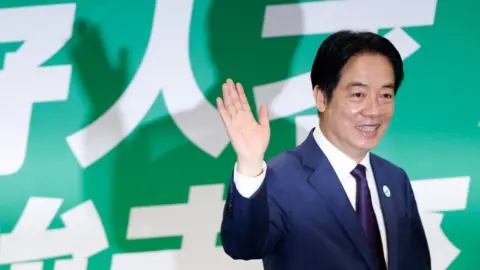
Taiwan Reaffirms Independence Following Trump's Caution
In response to President Trump's remarks about Taiwan's independence, Taiwan asserts its status as a sovereign nation while committing to dialogue with China.
Taiwan has reiterated its position as an independent nation after US President Donald Trump advised against a formal declaration of independence in the wake of his discussions with Chinese President Xi Jinping. Taiwanese officials emphasize their sovereignty and commitment to maintaining the current balance with China amidst heightened military tensions in the region.