In brief
A memorandum of understanding between the United States and Iran formally ends the war that erupted over February 28, closing 20‑year hostilities between the two powers. The agreement lifts the U.S. naval blockade of Iranian ports, re‑opens the vital Strait of Hormuz and extends a cease‑fire, but leaves unresolved issues like Iran’s nuclear programme for future talks. The deal comes after a campaign of surprise air strikes that killed Iran’s Supreme Leader and dozens of civilians, revealing the limits of U.S. military projection. While the conflict’s end brings relief for civilians and eases pressure on global oil supply, it also highlights the fragmentation of U.S. influence, as Gulf monarchies and other regional actors reevaluate their alliances. Israel, absent from the negotiations, now faces domestic backlash over its role in the war and possible future actions in Lebanon.
After two years of escalating hostilities sparked by American and Israeli surprise attacks on February 28, a new memorandum of understanding between Washington and Tehran formalises the end of the conflict. The document lifts the U.S. naval blockade that had closed the Strait of Hormuz, the world’s busiest oil shipping channel, and it extends a cease‑fire between the two belligerents.
While the deal marks a victory for Iran and an unprecedented pause in U.S. hostilities, it also exposes the limits of American military prowess. The war left the Iranian regime solidified, with Khalifi’s succession and a surge of revolutionary fervour that fended off what the U.S. feared would be a regime‑change operation.
The agreement does not resolve the core issue of Iran’s nuclear programme. The memorandum defers that negotiation to an unspecified future, leaving the territory for a long‑term multilateral mechanism that could tackle sanctions, fissures, and the global market for petrochemicals.
For the Gulf, the reopening of the Strait of Hormuz is expected to relieve global oil supplies and reduce inflationary pressures worldwide. The pause also provides Gulf monarchies, long dependent on a stable Strait, a breathing space as they reconsider their sovereign partnerships in a rapidly changing geopolitical reality.
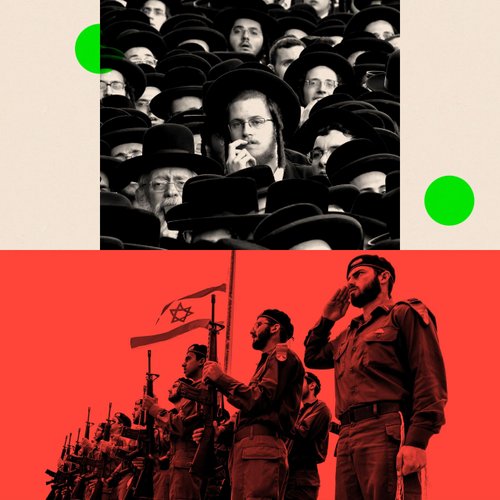
Israel, absent from the talks, is now confronted with criticism domestically that its participation in the war has undermined strategic ties with Washington. Prime Minister Netanyahu faces pressure from both hard‑liners in his cabinet and political opponents to maintain a posture in Lebanon that it says will deter Iranian influence.
Ultimately, the deal illustrates a shrinking ability of the U.S. to dictate outcomes on the global stage. Washington’s decision to open hostilities against Iran, followed by forced peace, signals a superpower grappling with its own limits amid a shifting international order.