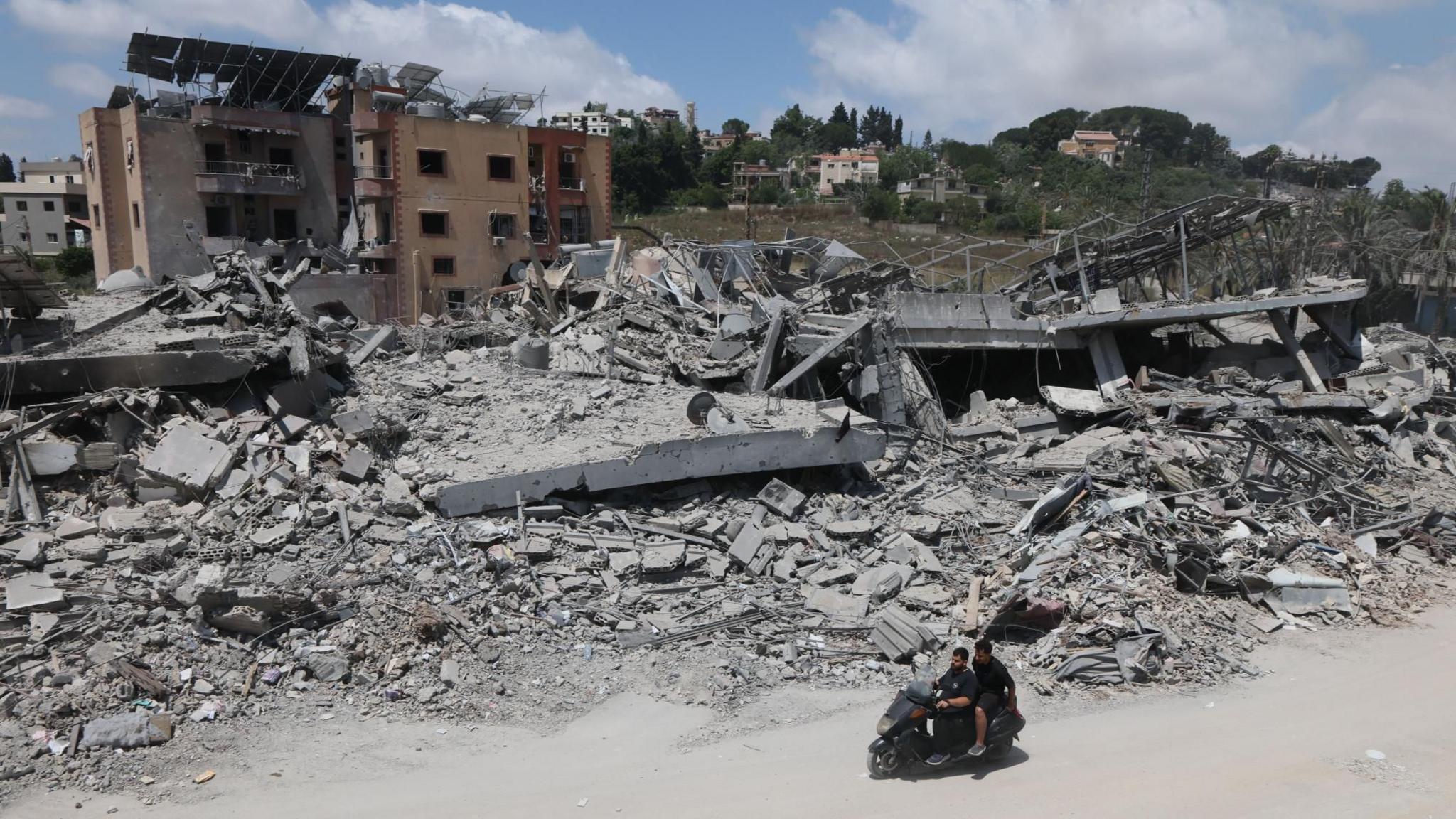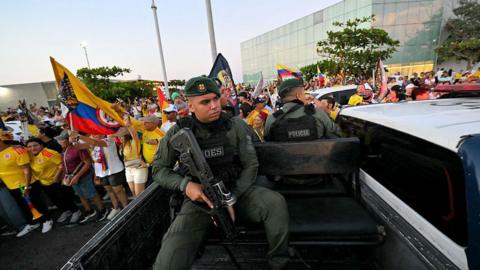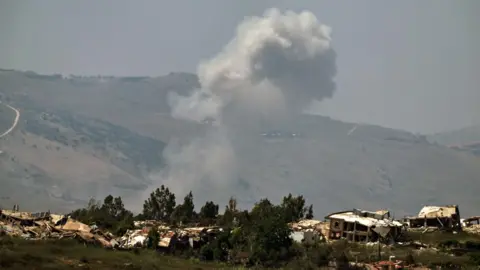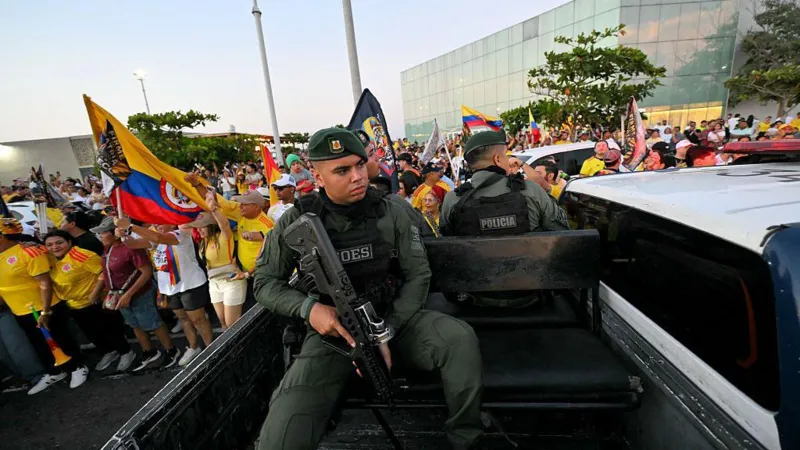
Escalating violence has become a central theme in Colombia’s 2026 presidential campaign, with armed groups, the state and cartels having fought across the country for more than sixty years.
At a support centre for displaced people in Bogotá, a woman described how her brother was killed for refusing to pay an extortion demand, a tragedy that unfolded before his children’s eyes.
She fled the outskirts of Cali after militia leaflets forced residents to abandon their homes or face violence, with bombs laid on common travel routes forcing families to abandon possessions and move.
Colombia’s armed conflict has killed hundreds of thousands, but illegal groups have roughly doubled in membership over the last five years, including FARC dissidents, the National Liberation Army and the Clan del Golfo, who now control key drug‑trafficking and mining areas.
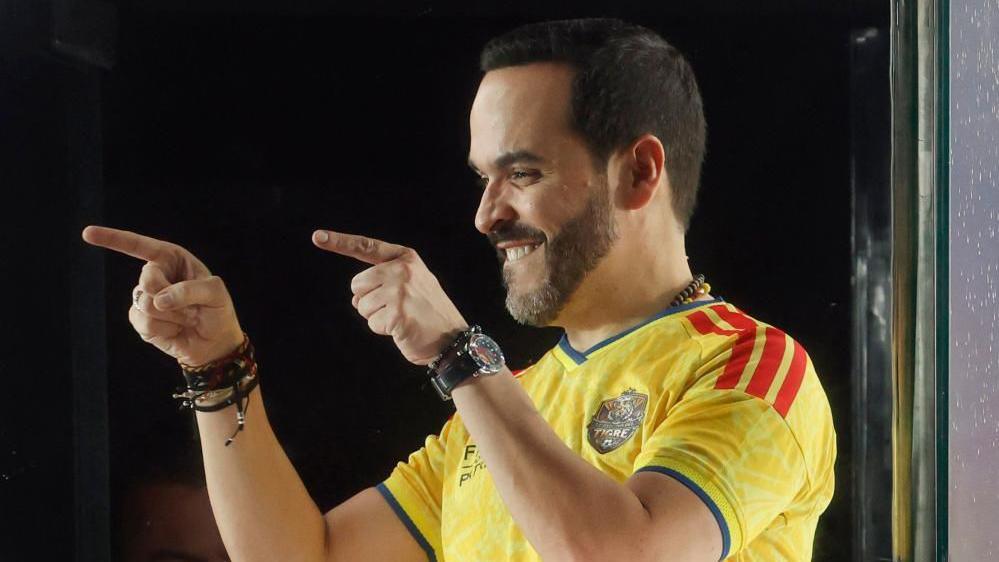
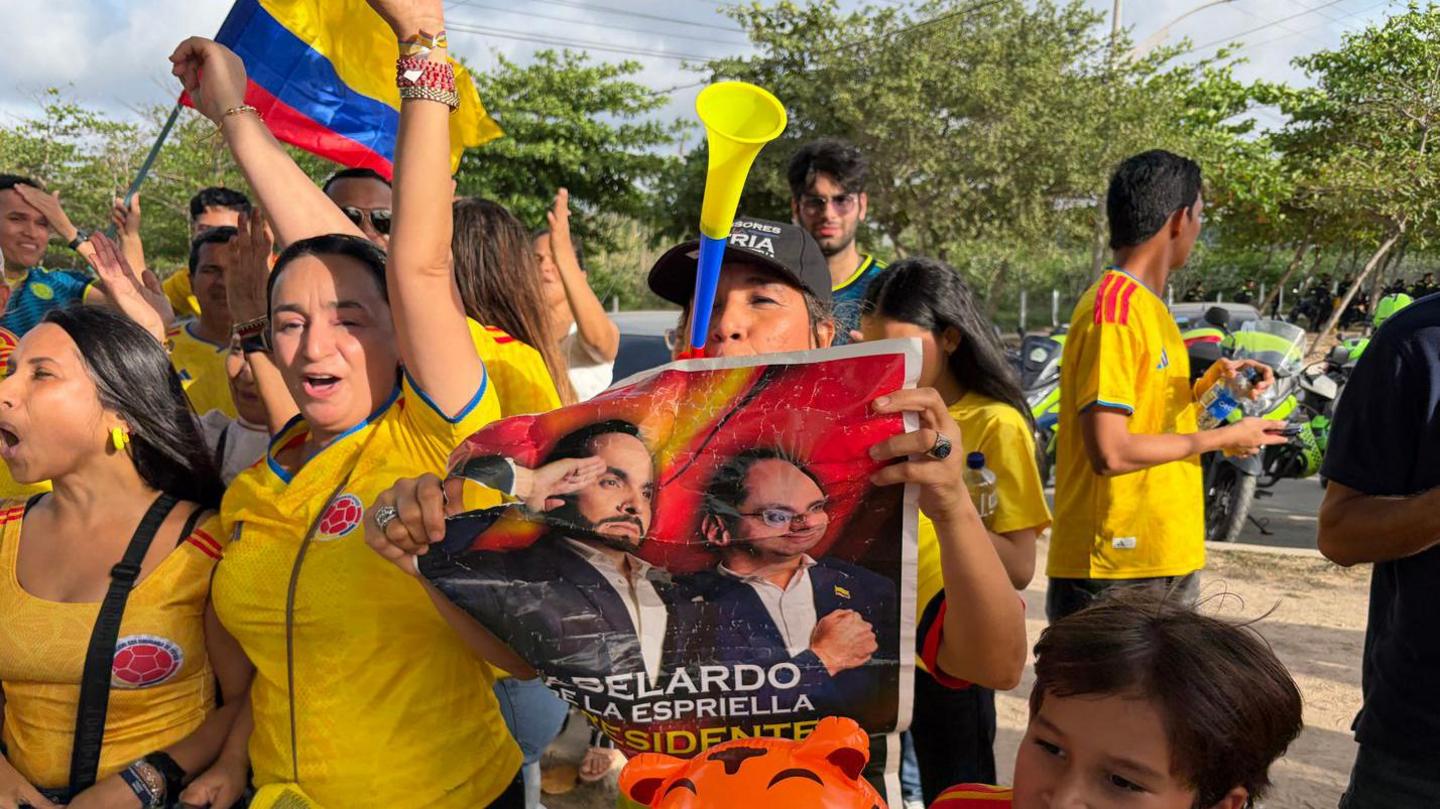
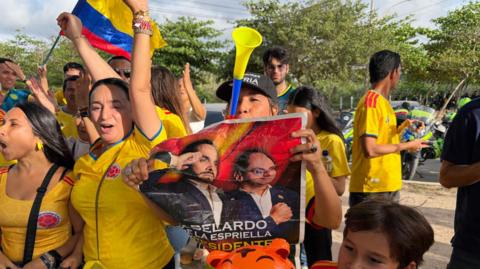
The two presidential candidates project divergent strategies: the left‑wing Senator Ivan Cepeda, an architect of the current president’s peace plan, pushes for negotiated security and reforms, while critics argue the policy allows armed groups to exploit cease‑fires; the right‑wing businessman Abelardo de la Espriella calls for a hard‑liner military response, nine megaprisons and an end to talks with guerrillas.
Displacement rose 300 % between 2024 and 2025, a figure that government advisor Isabelita Mercado Pineda says has not been seen in two decades, and she cites rising cocaine output, army failures to occupy vacant territories and a “carrot‑but‑not‑enough‑stick” strategy that benefits criminal groups.
A victim named Erin Gamboa told reporters that his half‑brother vanished after a FARC commander took him, while another couple disclosed extortion demands totaling five million pesos from a man who claimed to represent the group.
Trump’s endorsement of de la Espriella has drawn criticism as a foreign interference signal, with the former president describing the election as deciding Colombia’s future relationship with the United States and labeling Cepeda a “radical left Marxist.”
Regional support for the outsider urges that his hard‑state approach will strengthen security, yet younger voters and social activists favour Cepeda’s combination of repression with social programmes addressing poverty and inequality.
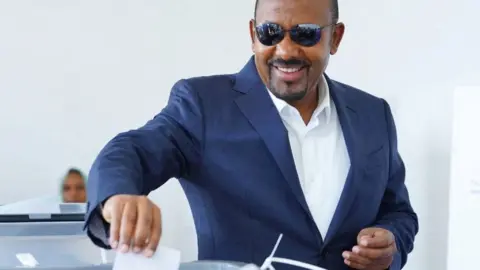
With two very different candidates on the ballot, the Sunday election will deepen divisions on how Colombia confronts its unresolved internal conflict.