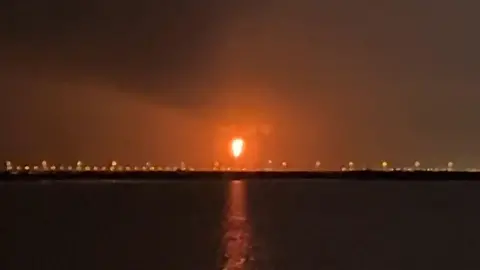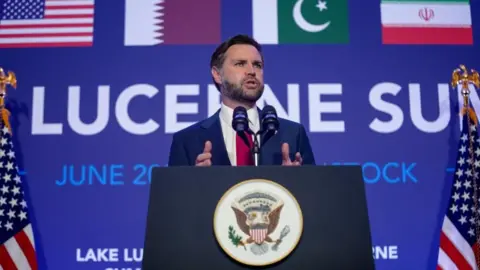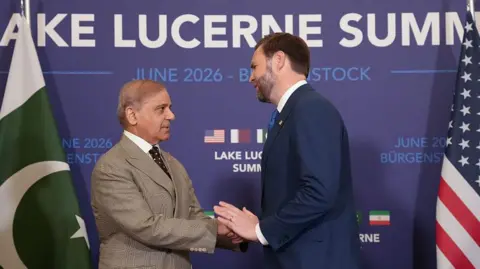
US and Iran begin peace talks in Switzerland as they take the first steps toward ending the war that began in 2019, following a recent agreement that called for immediate cessation of hostilities and the reopening of the Strait of Hormuz. The plan, signed Sunday, mandates a final treaty within 60 days, stops fighting on all fronts – including in Lebanon – and settles disbursement of $300bn in reconstruction funds.
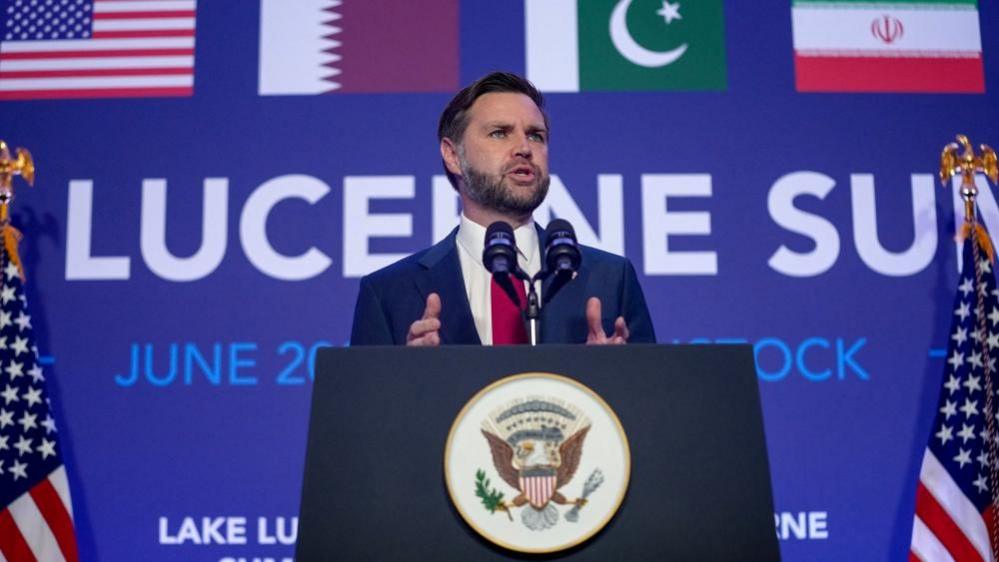
The discussions opened at the Bürgenstock resort, with Vice‑President JD Vance, Jared Kushner and special envoy Steve Witkoff attending. Iran’s delegation, led by Foreign Minister Abbas Araghchi and parliamentary speaker Mohammad Bagher Ghalibaf, was joined by Pakistan’s Prime Minister Shehbaz Sharif and Field Marshal Asim Munir, who have served as mediators in earlier rounds. Vance urged the Iranian leadership to eliminate their “driver of regional instability” and to drop nuclear ambitions for a longer‑term relationship overhaul.
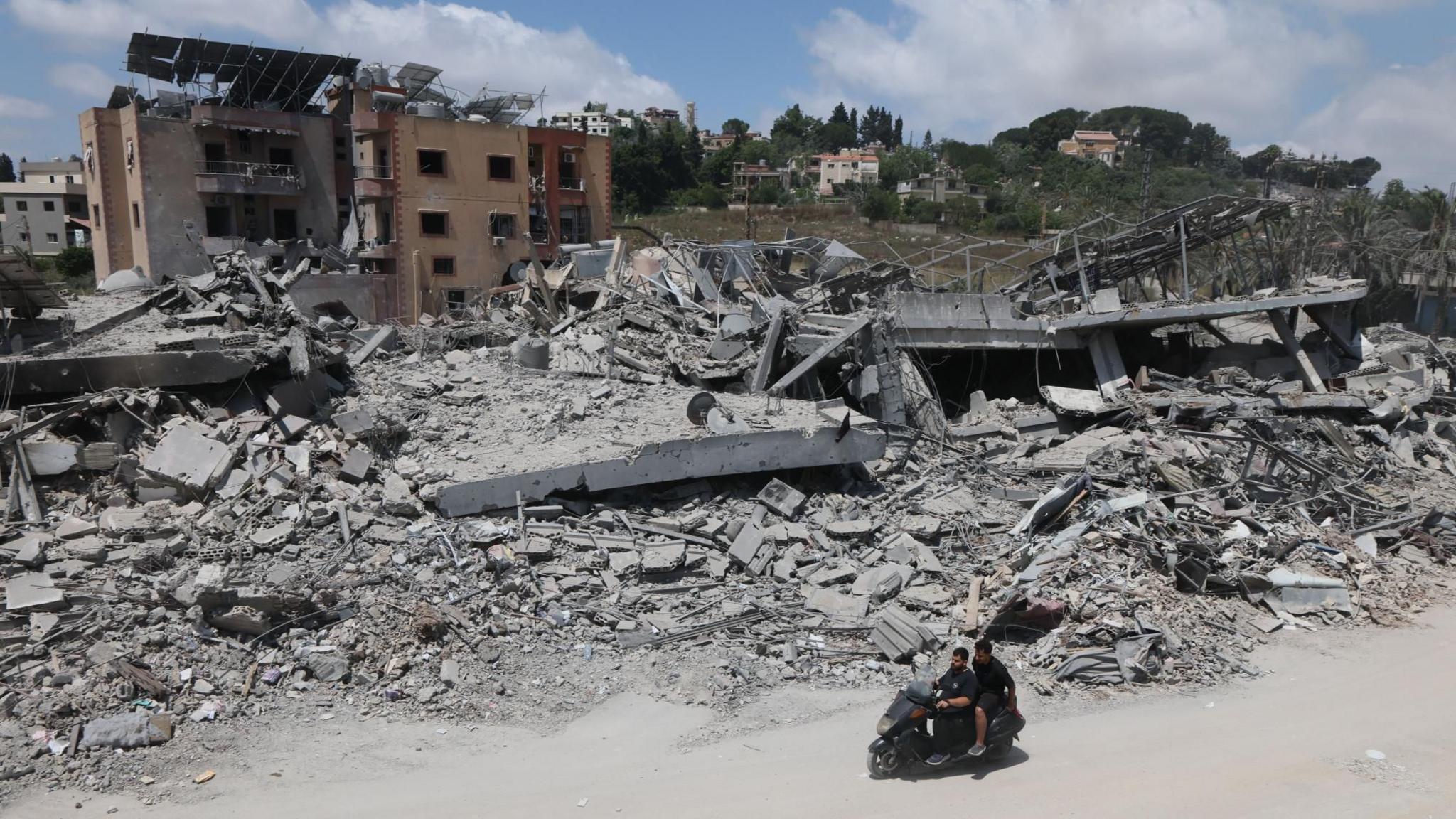
Despite the agreement, fighting in Lebanon and Israel‑Hezbollah skirmishes continue. Israeli air strikes have killed at least 67 people, while Hezbollah’s attacks have taken five Israeli soldiers. Iran has accused the US and Israel of violating the ceasefire and threatened to shut the Strait again, but maritime tracking data shows vessels continue to transit the waterway.
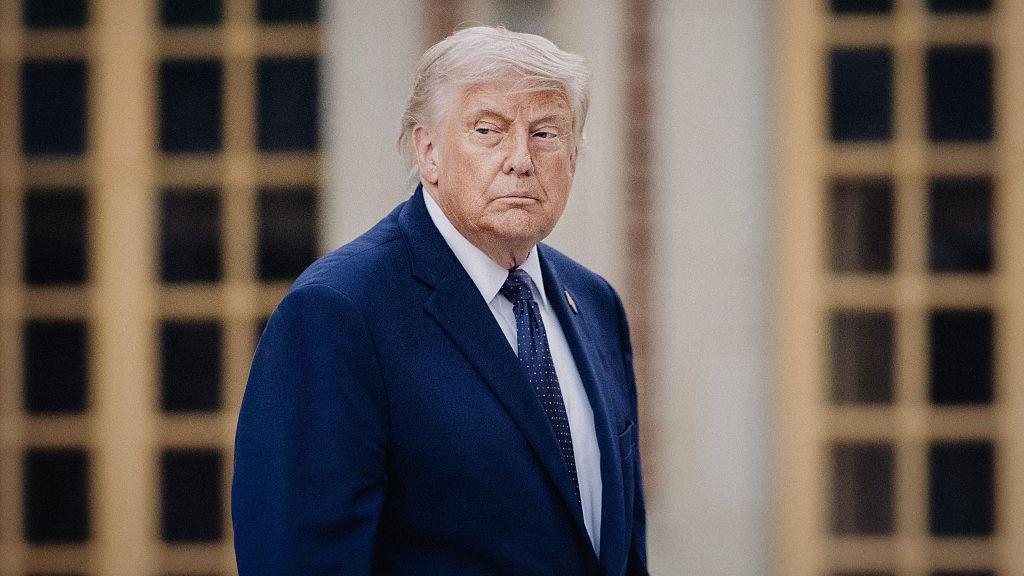
The deal also lifts the US blockade on Iranian ports and promises the removal of all sanctions. The Iranian side insists their nuclear programme remains peaceful, asserting that final disarmament will hinge on enforcement of the current commitments. The US, meanwhile, remains cautious, with President Trump warning that Iran must cease proxy operations in Lebanon and take steps toward nuclear compliance.
As the platform moves forward, stakeholders keep a close eye on how quickly and comprehensively the treaty’s provisions are implemented, particularly given the unresolved hostilities in Israel and Lebanon that could undermine the peace momentum.