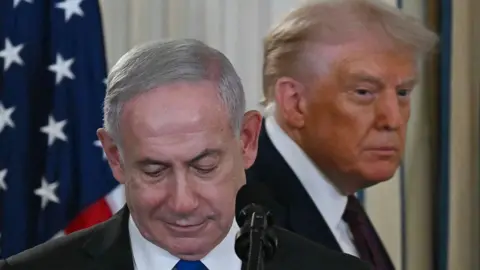
The U.S.‑Iran ceasefire agreement has thrown a wrench into Benjamin Netanyahu’s political calculus, upending his long‑standing reputation as Israel’s security mastermind and creating a tight‑roped balance between domestic politics and foreign policy.
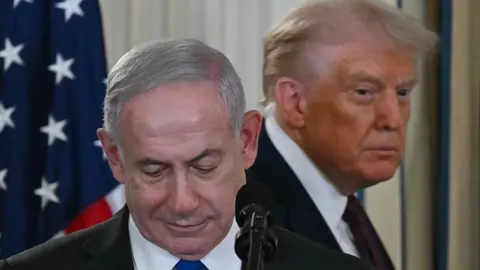
Experts note that the deal drains three pillars that have driven Netanyahu’s political survival: the perceived control over Washington, a robust pre‑emptive Israeli policy aimed at Iran, and the guarantee that Israel would stop Hezbollah attacks in Lebanon before an election. Instead, the agreement forces Israel to confront a second front – the U.S. itself.
The friction is evident in remarks from Israel’s far‑right National Security Minister Itamar Ben‑Gvir, who openly called the treaty “un‑partnered.” He warned the U.S. that Israel would keep safeguarding its interests independently, a stance that has intensified the debate in the Knesset.

While Netanyahu has largely stayed silent, his silence signals a broader dilemma: maintaining an aggressive security posture with heavy troop deployments in Gaza, Lebanon and Syria versus a diplomatic exit that grants more political weight to Tehran and Hezbollah. The fact that Hamas still controls half the Gaza Strip and Israel’s exit strategy remains unclear keeps the conflict live.
According to senior security researchers, Netanyahu’s current assumptions about the U.S. and Iran have changed. The window that once allowed him to sidestep Washington through congressional pressure and public opinion has closed, leaving him with a stark choice: confront the U.S. in a way that might lead to deeper conflict, or adapt his security policy to preserve Israel’s strategic interests.
As the October elections loom and the situation in Lebanon, Iran and Gaza remains fluid, the security narrative that has defined Netanyahu’s tenure juggles between political deadlines and real‑time dangers. The outcome will be felt by Israeli voters, U.S. allies and the wider Middle East for years to come.