In brief
A U.S.‑brokered ceasefire with Iran collapses Prime Minister Benjamin Netanyahu’s core political pillars, prompting backlash from Washington and Tehran alike. Critics question his unprecedented attack on Beirut, while his coalition and far‑right allies rally to defend his record. With Israel’s security doctrine under scrutiny, the prime minister faces a hard choice: confront U.S. policy or concede to Tehran’s demands. Meanwhile, Hamas remains entrenched in Gaza amid stalled peace talks, leaving Israel’s military stretched across Lebanon, Syria and Gaza. The strategic cross‑fire threatens to undermine Netanyahu’s claim that his leadership guarantees Israel’s safety.
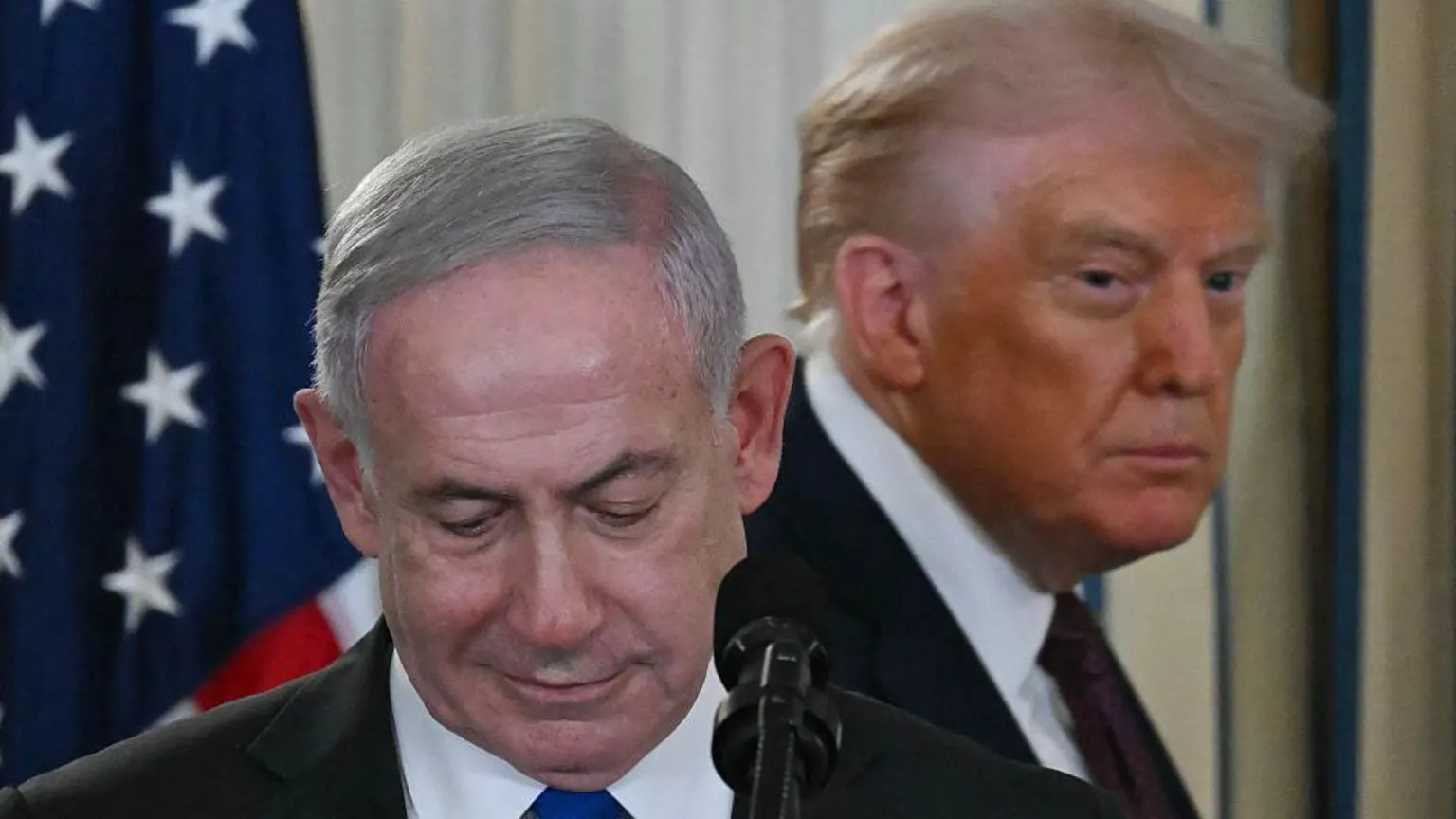
The United States' recent ceasefire agreement with Iran has turned Benjamin Netanyahu’s political career on its head, eroding three crucial pillars of his national policy and leaving him in a difficult security quagmire. Critical voices from Washington and Tehran alike have decried his order of a strike on Beirut over the weekend, a move that has prompted furious press commentaries and political insurgency within his own coalition.
How does a man who has been championed as the ‘political whisperer’ of Washington, wielding real influence over American lawmakers, lose that clout and face public shame from a key ally? The recent policy shift also places Netanyahu’s hard‑nosed stance against Iranian nuclear ambitions at odds with the ceasefire’s terms, which seemingly put Israel at a disadvantage against Tehran.
The prime minister’s approach to security has been his brand for decades, but the current crisis shows how this brand is slipping: threats from Hezbollah and the Iranian regime remain alive, the U.S. peace plan stalls, and Israeli forces stay entrenched across Gaza, Lebanon and even parts of Syria.
Reports from Israeli lawmakers, most notably Likud’s Ariel Kallner and far‑right minister Itamar Ben‑Gvir, underscore that Israel will still pursue its security agenda, but they also signal strong internal pressure. A U.S.‑brokered ceasefire demands Israel stop all military operations on all fronts, including Lebanon, a stance that has strained the coalition and widened internal critique.
Global experts such as former Mossad official Sima Shine warn that the U.S. agreement may continue to allow Iran to influence Hezbollah’s operations in Lebanon.
Netanyahu has maintained in public forums that he still believes Israel must stop Iran from becoming a nuclear power, but he has admitted that his priorities now include defending the security buffer around Lebanon and protecting Israeli interests. A clear sentence: "Iran wanted us to withdraw – that did not happen. We will protect ourselves, and we must keep our operational freedom in case of threats."
He has also called upon U.S. allies to understand his stance, stressing that conflicts often arise between allies but they should also respect each other’s concerns when threatened. However, with a paid-out window remaining until the upcoming Israeli general election, his political future is in unprecedented peril, not just against Israel’s traditional enemies, but also against the influence of Washington and Tehran on his own policy.
As security remains the cornerstone of Netanyahu’s voter appeal, the security narrative now pushes him into a highly contested position where continued engagement with Iran could bring chief political achievements, but his new operational approach risks splitting the nation’s sense of safety.
With the looming election, Netanyahu’s next steps will shape whether Israel will follow a path of confrontation or submission. While the balance of power in the Middle East continues to shift, the prime minister’s future must determine if peace can even be achieved or merely superficially brokered through a ceasefire that leaves Israel’s founding security strategy under unpredictable scrutiny.