During a televised ceremony in the presidential palace, Venezuela’s interim president Delcy Rodríguez announced a new partnership with the United States energy giant General Electric to rebuild the nation’s electricity grid.
This is the latest sign that the interim leadership, which was sworn in after U.S. forces seized former President Nicolás Maduro, is beginning to open the country’s economy to foreign investment and to liberalize key state sectors.
Critics argue that many presidential institutions remain firmly under the control of the ruling US‑backed party, but the power‑grid agreement is seen as a critical step towards restoring an essential service that has long been delivered irregularly and at low quality.
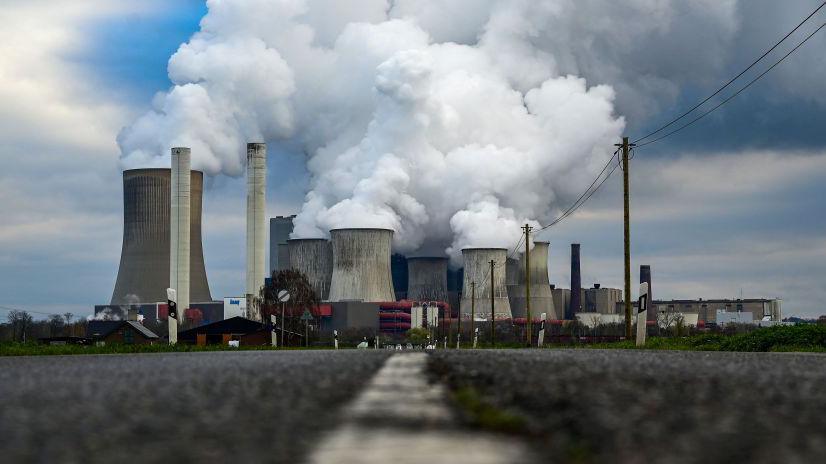
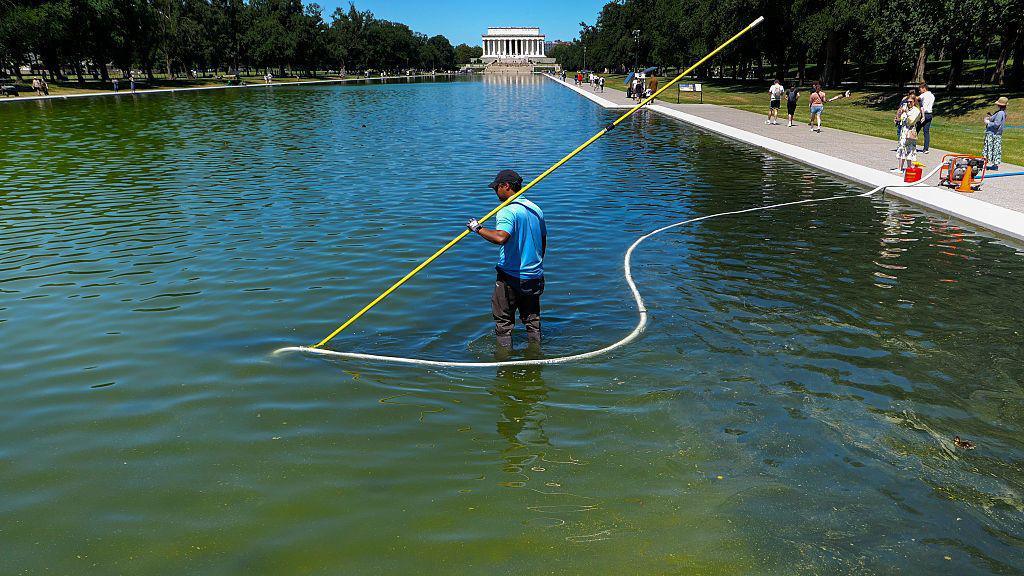
Venezuela has faced repeated 10‑hour‑or‑long power cuts over the past years, largely due to a lack of investment and maintenance combined with high consumption demand. The Guri hydroelectric dam—once a key power source—has struggled to meet national demand following a long drought.
The deal was brokered under the auspices of Energy Minister Rolando Alcalá, an electrical engineer appointed by Rodríguez in March, lauded for moving away from a six‑year period of military‑led leadership that failed to fix the grid.
Rodríguez described the signing with General Electric’s Venezuelan subsidiary as "a historic step for Venezuela", bringing the country closer to reliable electricity and an opportunity for economic revival.
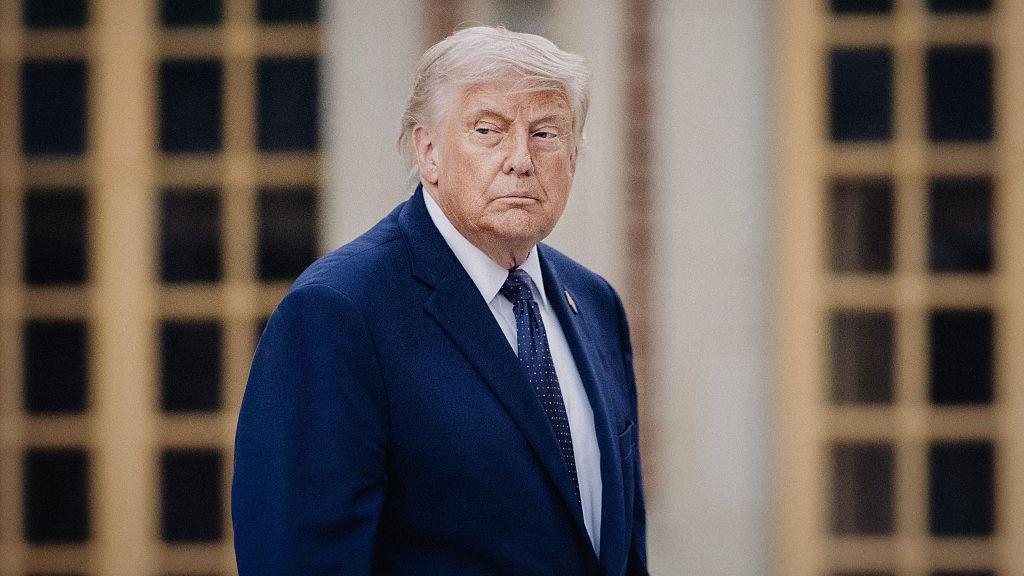
U.S. officials are closely watching the development, with statements from President Trump’s administration that the partnership signals a shift in U.S.–Venezuela cooperation and a move towards more open government policies.
Opposition leaders, however, caution that despite the new deal, structural reforms remain limited and the electoral council still dominated by Maduro loyalists.
Meanwhile, U.S. Secretary of State Marco Rubio has emphasized the need for free media and political parties to organize for future elections, saying U.S. support can help Venezuela attract investment only if democratic conditions improve.

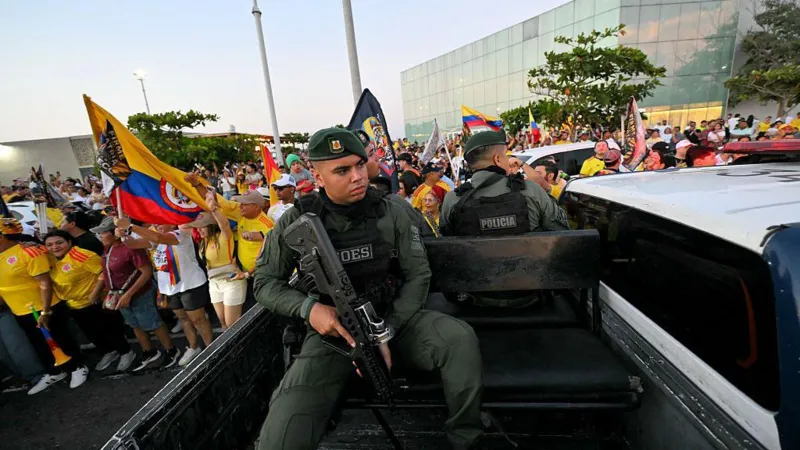
U.S. military strikes recently targeted the Tren de Aragua criminal gang, showcasing increased collaboration with Venezuelan security forces—an unprecedented development under the former regime.