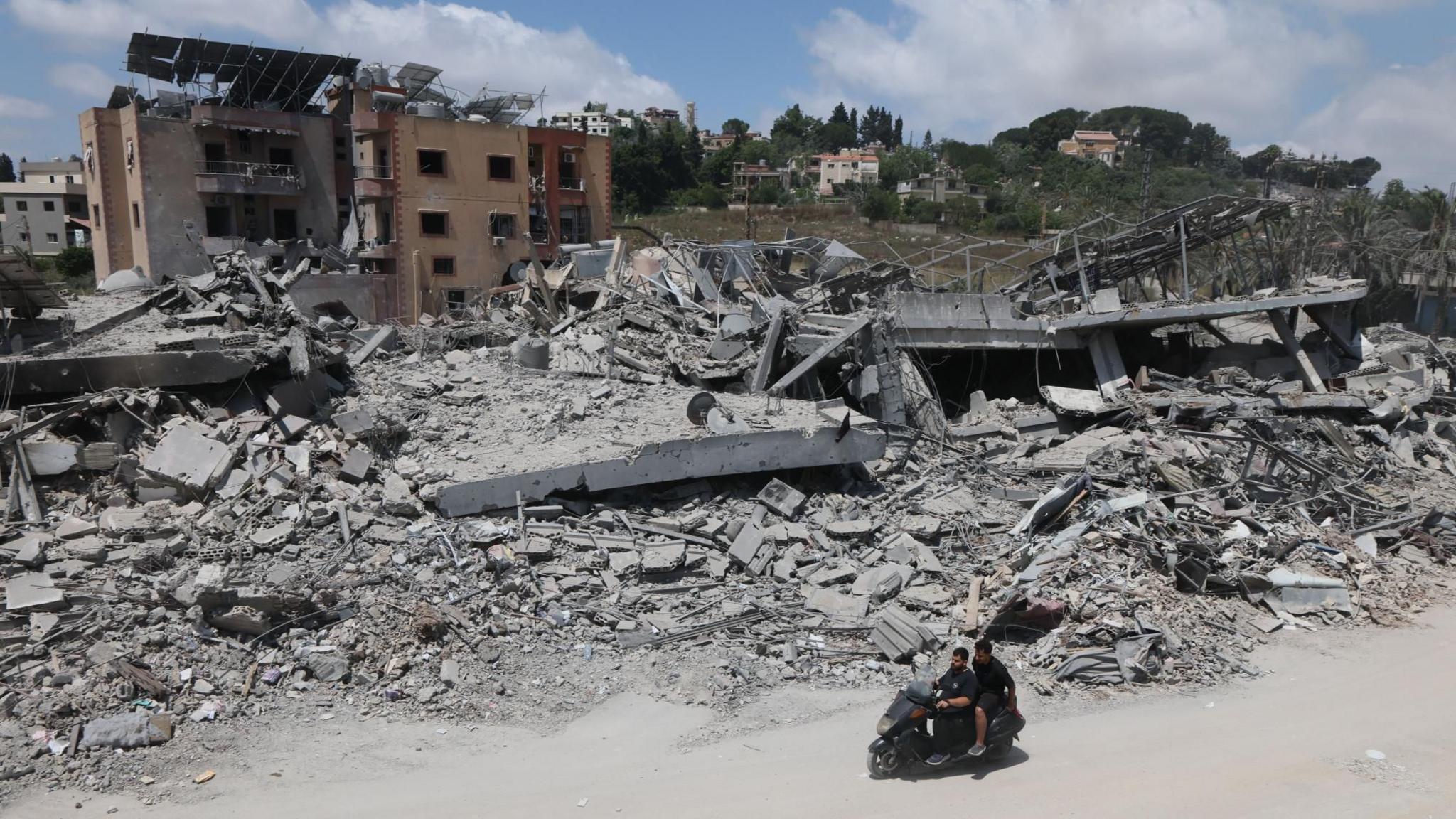
Israeli forces carried out new drone and jet strikes in southern Lebanon, state‑media reports say. Drone fire hit Mansouri and Aaziyyeh on Wednesday, while jets targeted Nabatieh al‑Fawqa and Kfar Tebnit. Infrared radars recorded injuries among civilians in the first two towns, and Israel’s military disclosed that five soldiers were wounded after a drone was damaged by Hezbollah fire.
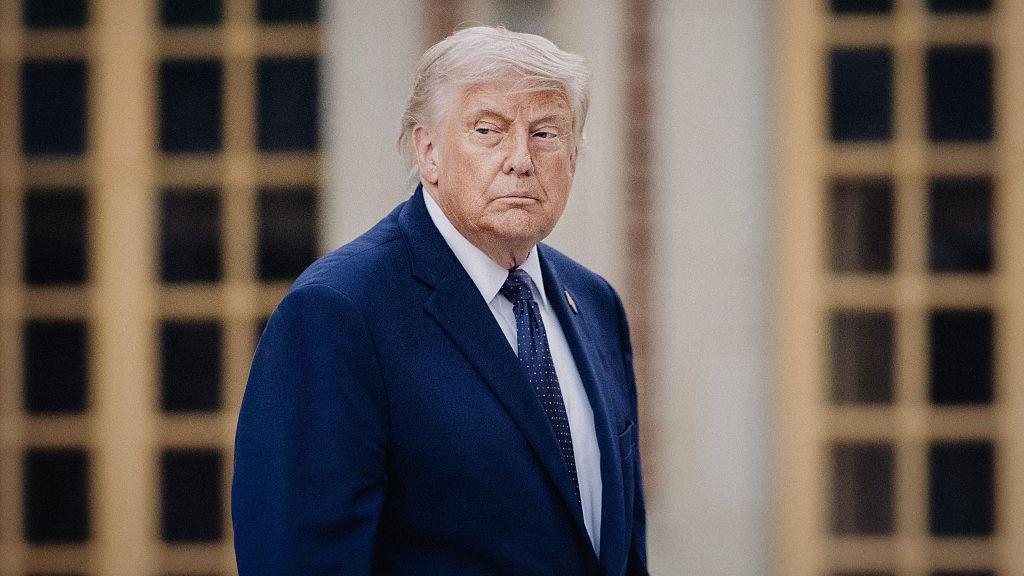
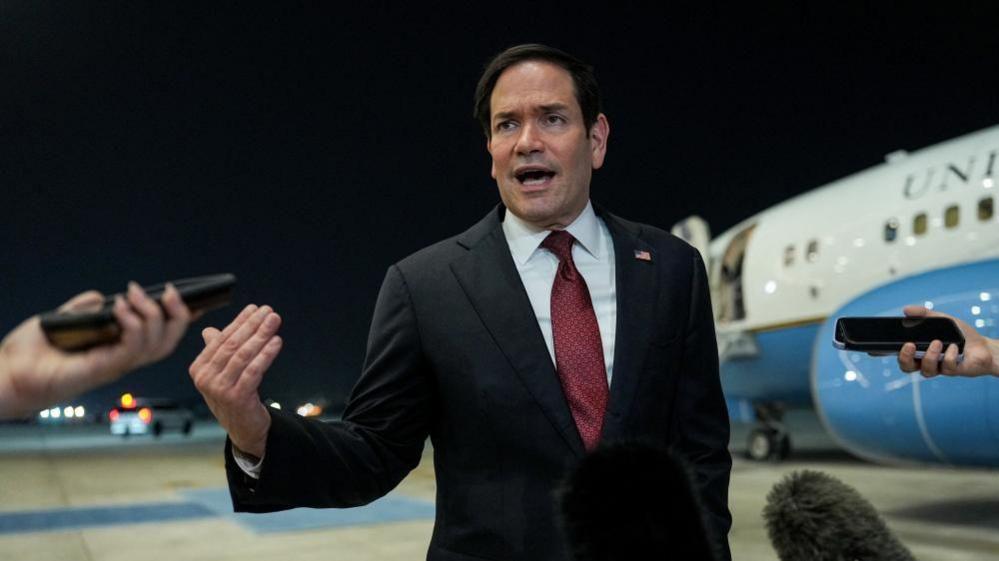
These assaults unfolded amid a sharp rebuke from U.S. President Donald Trump, who reminded Israeli Prime Minister Benjamin Netanyahu that Israel’s “solidarity” had put civilians at risk and that “the war with Hezbollah had gone on too long.” Trump told the G7 summit in Paris that Israel had killed too many people and that the U.S. continued to support Israel because of this partnership.
The attacks have renewed the already tense cross‑border standoff that began on 2 March, when Hezbollah launched rockets into Israel in retaliation for a strike that killed Iran’s Supreme Leader. Since then, Israel’s bombing campaign has covered much of lower‑Lebanon, and Israeli troops occupy a sizeable portion of the southern region.
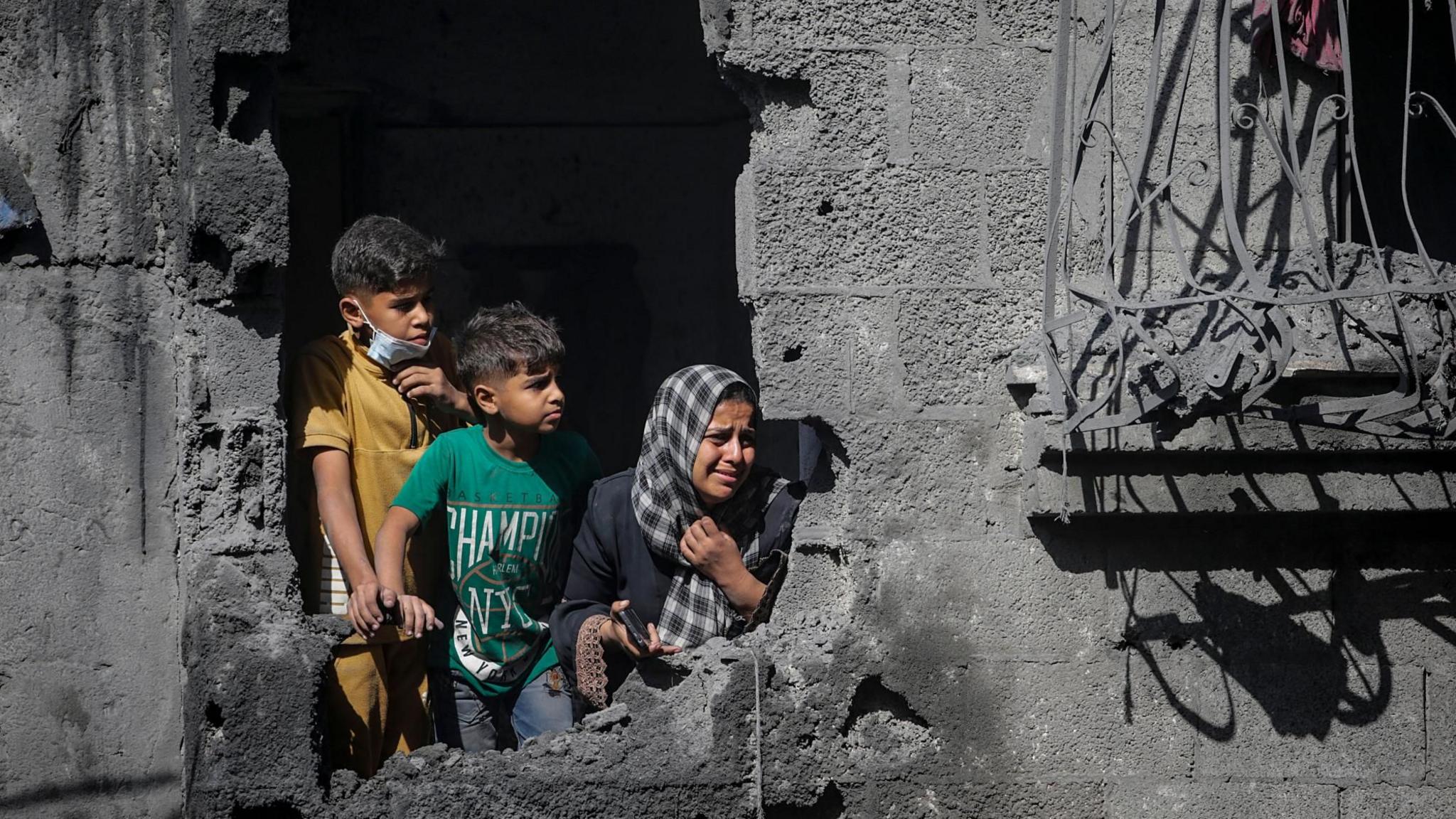
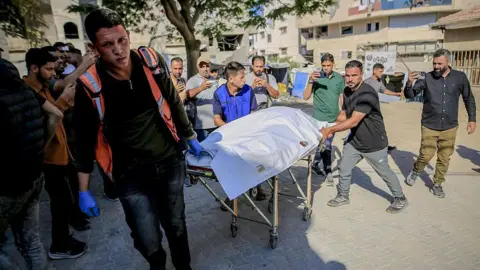
Lebanese officials report that the strikes have killed at least four civilians and wounded dozens. The Lebanese health ministry records over 3,800 deaths during the conflict, counting combatants and civilians together, while Israeli authorities say 30 soldiers and four civilians have been killed on both sides.
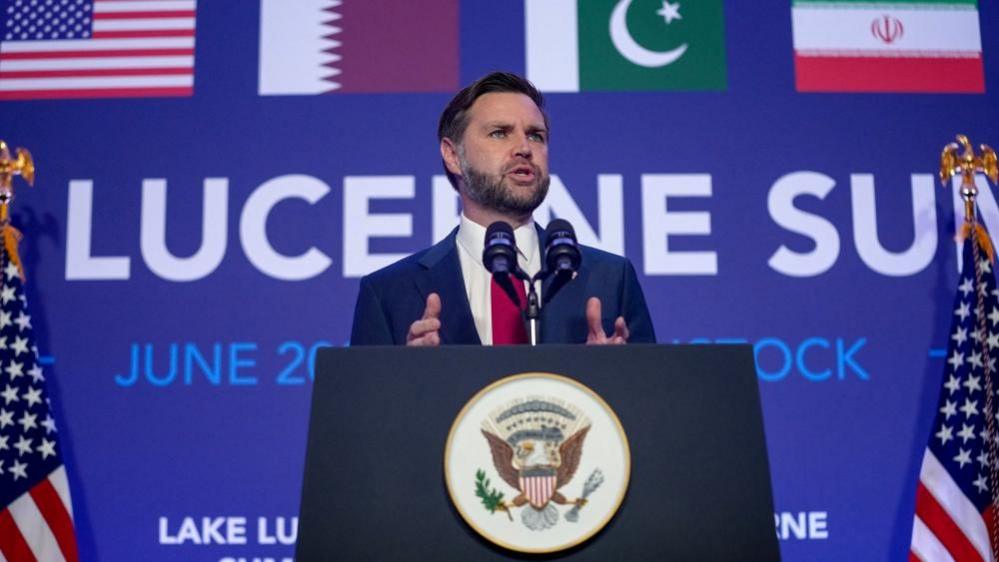
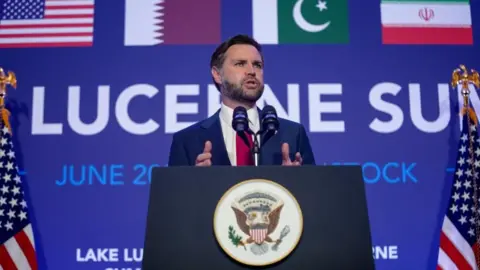
Following the alerts over civilian casualties, Pakistan has signalled a mediation role in the U.S.–Iran truce that includes Lebanon’s terms. The U.S.–Iran memorandum, still confidential, is set to be signed in Switzerland later this week, but high‑level negotiations remain stalled.
Nar swinging between the titanic disputes of the U.S., Iran, and Israel, Hezbollah’s top commander Naim Qassem declared the U.S.–Iran deal a “great victory” and urged Lebanese politicians to seize the chance for sovereignty. He warned that Lebanon must limit talks to “mutual security” issues, demanding the withdrawal of Israeli forces from occupied territory.
Late Sunday, Israel’s leader said troops would stay in Lebanon “for as long as necessary.” His statement coincided with reports of an Israeli air strike on Beirut in response to a cross‑border rocket that had intensified pressure on finalising the U.S.–Iran agreement.
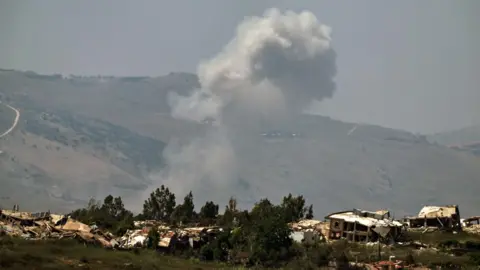
A photo accompanying this report shows smoke rising from a border area in southern Lebanon after an Israeli strike, underscoring the continued volatility in the region. The image captured the stark contrast between the debris and the calm, yet immediate threat to civilian life.
Caption: Smoke rises after an Israeli strike on a southern Lebanese border area.