In brief
The Communist‑run island’s tourism sector has collapsed after the US intensified sanctions in 2026. Visitor numbers dropped 58% in the first five months of the year, and major airlines and hotel chains have pulled out. Fuel shortages and an oil blockade have worsened shortages of medicine and food, sparking power outages, garbage piles and rare protests. The crisis raises questions about the island’s future stability and the international response to Cuba’s economic woes.
Cuba’s tourism sector has been hit hard by a new wave of U.S. sanctions, causing a dramatic 58.4 percent drop in foreign visitors in the first five months of 2026.
The one‑stop statistics agency Onei reports fewer than 360,000 people visited the island this period, a steep fall from the previous year. The decline has been driven largely by the U.S. targeting tourism in its broader pressure campaign against Havana’s leadership.
Airlines such as Air Canada have suspended flights to Cuba indefinitely, citing "ongoing political and economic uncertainty." Meanwhile, Spanish hotel chains Meliá and Iberostar halted operations at several properties ahead of a June 5 U.S. deadline for businesses to stop doing business with the state‑owned conglomerate Gaesa.
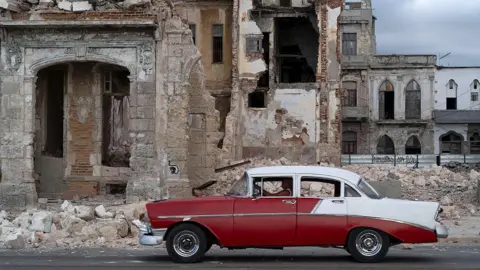
The sanctions and an effective oil blockade have drained the island’s fuel reserves, making it impossible for many services to run. Garbage piles on Havana streets and limited electricity for hospitals show how far the shortages have spread.
Health services feel the crunch too. The survival rate for children with cancer has plummeted from 85% to 65% since January, when the U.S. threatened to sanction any company providing oil to Cuba. Communion wafers, vital for Catholic Mass, are now rationed because production stalls without steady power.
Power cuts and shortages have sparked rare protests on the island, a sharp reminder that dissent is heavily penalised. The rule of law is strained as the U.S. has left Cuba’s economy in crisis mode.
For further context, read: