In brief
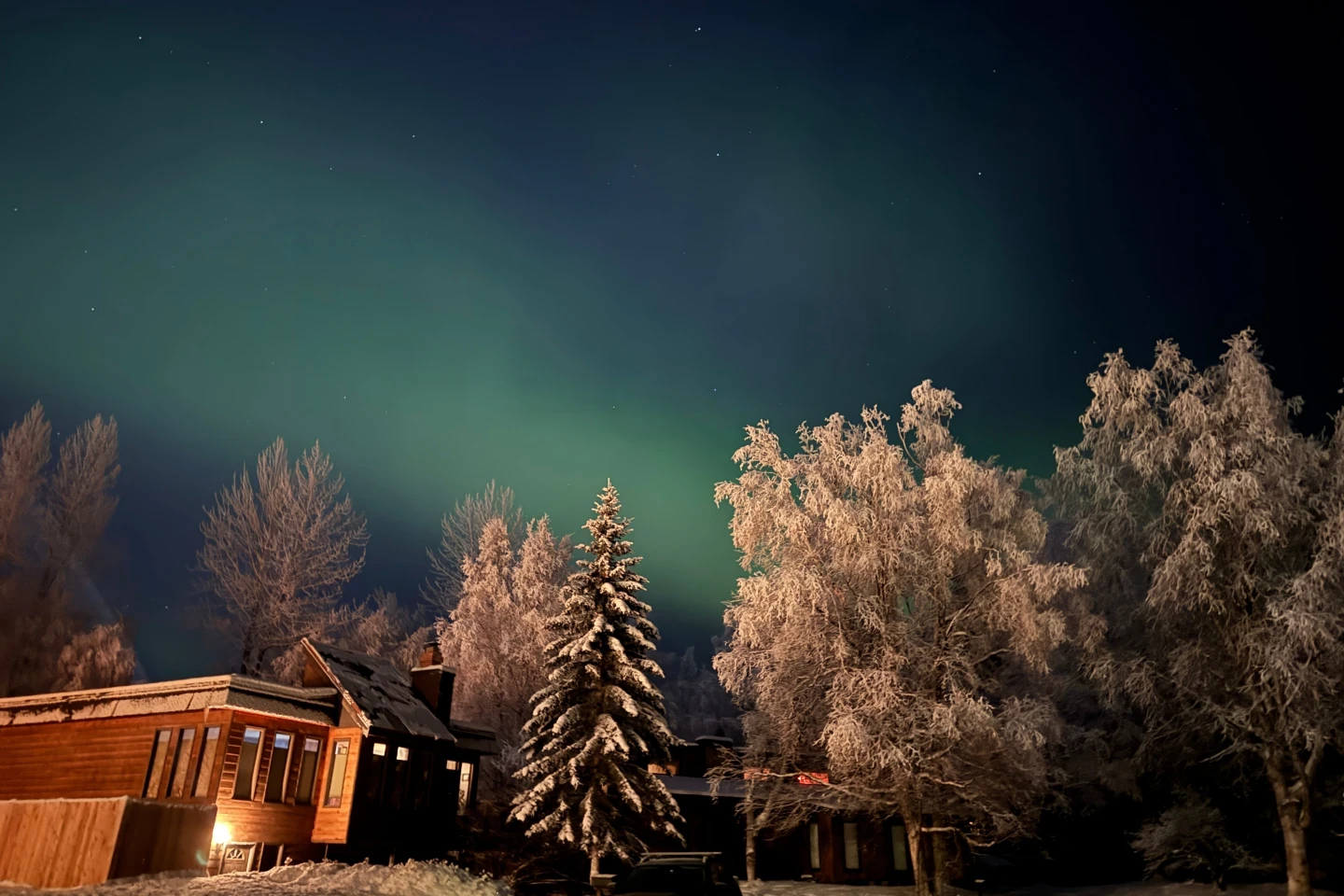
A major solar storm is expected to reveal the aurora borealis across Canada and several U.S. states, with reports suggesting the phenomenon may reach as far south as Kansas, Colorado, and Texas. The storm, causing intense geomagnetic activity, could impact satellite and GPS operations but poses no risk to astronauts aboard the International Space Station.
JUNEAU, Alaska (AP) — The aurora borealis could be visible across Canada and much of the northern US states — possibly even further south — on Monday night as a result of a major disturbance in Earth's magnetic field, according to the National Oceanic and Atmospheric Administration's Space Weather Prediction Center. The forecast comes amid intense geomagnetic and solar radiation storms, as stated by Shawn Dahl, service coordinator at the center. These geomagnetic storms, while stunning in their display of vibrant northern lights, may disrupt satellite operations and GPS communications, as noted by the U.S. Geological Survey. Dahl advised that the current storm is not expected to diminish until sometime Tuesday. In November, similar solar storms produced brilliant auroras in parts of Europe, including Hungary and the United Kingdom, and even reached as far south as Kansas, Colorado, and Texas. Although solar radiation storms can affect equipment in space and some communications systems, astronauts aboard the International Space Station are currently safe. This storm's intensity has not been witnessed in over two decades.