In brief
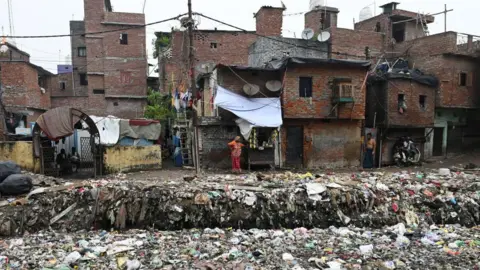
India's rapid urbanization has not coincided with effective governance or infrastructure development, leading to dire living conditions in major cities like Bengaluru, Mumbai, and Delhi. A mixture of poor planning, lack of data, and limited municipal power hampers efforts to confront issues of pollution, waste management,and inadequate road conditions, prompting public backlash.
During a recent visit to Jaipur, a local taxi driver remarked, 'Want the royal charm of Jaipur? Don't come here, just buy a postcard.' His quip reflected the urban decay that besets many Indian cities, plagued by traffic congestion, pollution, and heaps of uncollected waste. Such conditions beg the question: why are India's urban areas spiraling into unliveable states, despite significant government investments in infrastructure? While cities like Delhi, Mumbai, and Bengaluru contribute to India's economic growth, they embarrassingly rank low on global livability indexes. Protests regarding rising pollution and traffic disruptions have surged in recent months, highlighting public frustration with deteriorating living conditions. Vinayak Chatterjee, an expert in urban planning, pointed to historical governance shortcomings as a core issue—local bodies remain powerless, ineffective in managing their sprawling cities. Further complicating matters, local governments lack the resources and authority to implement necessary changes, leading to a growing disconnect between development plans and reality. Major Indian cities, unlike their Chinese counterparts, fail to leverage economic growth into effective urban renewal due to insufficient governance structures and lack of coordination. Until robust governance, data collection, and effective policies are put in place, the cycle of urban decline in India will continue, and citizens will remain caught in these unliveable conditions.